
Have you ever watched your gourami acting strangely and wondered if they might be preparing to breed in your aquarium?
Gourami show clear signs when ready to breed, including building bubble nests, showing brighter colors, and displaying specific behaviors such as chasing or guarding. These cues help aquarists identify the right time for breeding efforts.
Recognizing these signs can improve breeding success and help you support your gourami during this important stage of their life cycle.
Bubble Nest Building
When male gourami are ready to breed, they begin building bubble nests at the water’s surface. These nests are made by blowing mucus-coated bubbles, often in corners or under floating plants. You might notice the male becoming more territorial or actively choosing a quiet area for this purpose. Bubble nests are a clear signal that the male is preparing for reproduction and is looking for a female to engage in the process. Some males also fan the water gently beneath the nest to keep it clean and oxygenated, which helps protect the potential eggs. Observing this behavior is one of the strongest indicators that your gourami are moving into their breeding phase. It’s also helpful to maintain stable tank conditions and minimal disturbance during this time so the male can focus on completing the nest without interruption or stress from other tank mates.
A well-built nest is usually a sign that conditions are favorable for spawning.
Once the bubble nest is finished, the male becomes more active, often displaying brighter colors. He may start circling or following the female, showing off and guarding the nest area. This is a good time to ensure the female is ready to breed and not being harassed. If she seems receptive and displays vertical stripes or starts lingering near the nest, these are good signs she may spawn soon. During this phase, keep the water temperature steady and reduce movement around the tank. These steps can improve the chances of successful breeding and make it easier for both fish to follow their natural behavior without unnecessary stress. Watch for signs of aggression, and have a divider ready in case the male becomes too pushy.
Color Changes and Body Language
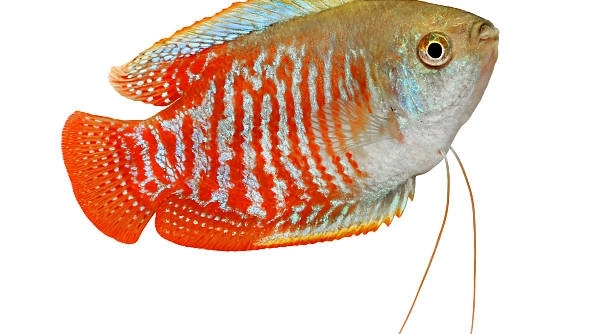
Brighter body colors often indicate breeding readiness in both male and female gourami. Males become more vibrant, while females may develop visible stripes.
In addition to building bubble nests, changes in color and body language are reliable indicators that your gourami are entering a breeding state. Male gourami will often shift to a deeper, richer color, which makes them stand out more in the tank. Females, on the other hand, might develop vertical stripes, particularly when they are receptive to breeding. Behavior also shifts during this period. You may notice males flaring their fins, swimming in tight circles around the female, or guarding the area where the bubble nest is located. Females that are interested in breeding will linger near the nest and may become more still, allowing the male to approach. It’s important to keep a close eye on these interactions. If either fish appears stressed or overly aggressive, it’s best to separate them temporarily to avoid injury.
Behavioral Shifts During Pairing
Male gourami often become more active and focused when pairing begins. They may chase the female gently, nudge her sides, or lead her toward the bubble nest. These behaviors signal courtship and show that breeding may begin soon.
As the pairing progresses, the male’s behavior becomes more persistent. He may swim in circles around the female, guide her under the bubble nest, and display flared fins or exaggerated movements. The female, if receptive, will stay near the nest and allow this close interaction. She may occasionally dart away, but if she continues to return to the nest area, it’s a positive sign. Avoid sudden changes in the tank, as stress can disrupt the process. If the female hides or becomes overly agitated, remove her briefly before trying again. Providing visual barriers or plants can help her feel secure while still participating in the pairing process.
The embrace, where the male curls around the female, is the most obvious signal that spawning has begun. During this embrace, the female releases eggs, which the male fertilizes and then collects in his mouth to place in the bubble nest. This process may repeat several times over the course of an hour. Between each embrace, the male places eggs in the nest, while the female may appear passive or rest nearby. Once spawning ends, it’s best to remove the female to prevent aggression. The male typically guards the nest, tending to the eggs and keeping other fish away. Avoid disturbing the tank during this time to increase the chances of successful hatching.
Protective Male Behavior
After spawning, the male becomes highly protective of the bubble nest. He will chase away other fish and continuously check the nest, repositioning or adding bubbles when needed to support the eggs.
This post-spawning behavior is completely normal and shows the male is taking his role seriously. He carefully monitors the nest, swimming beneath it to make adjustments and keeping the surface still. If any eggs fall, he retrieves them and places them back inside the bubbles. During this time, it’s common for the male to skip eating, focusing entirely on caring for the nest. Any tank mates that approach the nest will be chased off, so a separate breeding tank or partition may be useful. This protection phase usually lasts until the fry begin to hatch, which often happens within 24 to 48 hours. Once the fry are free-swimming, you can remove the male to prevent him from eating them.
Female’s Readiness Signs
A female gourami ready to breed will look rounder in the belly as her eggs develop. She may also start hovering near the bubble nest and display calmer behavior around the male, especially if he’s showing courtship behavior.
Vertical stripes on her body are another common sign. If she stays close to the male without hiding or fleeing, it usually means she’s receptive. Providing plants or hiding spots helps reduce stress and makes her feel safer in the tank while preparing to spawn.
Water Conditions for Breeding
Maintaining the right water conditions is important for breeding success. Aim for a water temperature between 78°F and 82°F, as warmer water encourages breeding behavior. The pH should stay slightly acidic to neutral, between 6.5 and 7.0. Keep the filtration gentle to avoid disturbing the bubble nest. A sponge filter works well for this purpose. Dim lighting and floating plants give the pair a more comfortable setting and encourage the male to build his nest. Perform small water changes before breeding to ensure clean conditions. Stable parameters reduce stress and help trigger natural breeding instincts in both fish.
Signs Spawning Was Successful
If you see tiny white eggs in the bubble nest and the male guarding it closely, spawning was successful. Keep monitoring the nest quietly from a distance.
FAQ
How long does it take for gourami eggs to hatch?
Gourami eggs usually hatch within 24 to 48 hours after spawning. The temperature of the water plays a big role in how quickly the eggs develop. Warmer water (around 80°F) tends to speed up the process. Once the eggs hatch, the fry will remain near or inside the bubble nest. During this time, the male continues to care for them, placing any that fall back into the nest. They become free-swimming about three days after hatching. At that point, you can remove the male and begin feeding the fry with liquid fry food or infusoria.
Can gourami breed in a community tank?
Technically, they can, but it’s not ideal. Other fish in the tank can disturb the bubble nest or stress the pair. They may also eat the eggs or fry. A separate breeding tank provides a calm space for the male to build the nest and guard the eggs. If a separate tank isn’t possible, use a breeding box or divider to create a protected space. Keep the water conditions stable and reduce noise or movement near the tank during this time. A quiet, clean environment helps the breeding process go smoothly and improves the chances of survival for the fry.
How do I know if my gourami pair is compatible?
Compatible pairs tend to stay close to each other without showing signs of aggression. The male will build a bubble nest, and the female will stay nearby without hiding or showing stress. Chasing is normal during courtship, but it shouldn’t be overly aggressive. If the female constantly hides or the male becomes too rough, it may be best to separate them and try again later. Pairing young, healthy gouramis that are well-fed and housed in a calm environment gives the best chance of compatibility. Keep observing their behavior closely for signs of readiness and mutual interaction.
Why did my male destroy the bubble nest?
There are a few possible reasons. If the male feels stressed or threatened, he may abandon or destroy the nest. Changes in water temperature, filtration that’s too strong, or sudden movements around the tank can disturb him. Sometimes, the male will rebuild a new nest in a different spot if he feels it’s safer. If the female is removed too early or if spawning doesn’t happen, he might lose interest in the nest. Give him time, reduce disruptions, and keep the tank conditions stable to encourage him to rebuild and continue breeding behavior.
What do I feed gourami fry?
Start with liquid fry food or infusoria for the first few days. As they grow, you can switch to baby brine shrimp or finely crushed flakes. Feed small amounts several times a day to keep them nourished without overloading the water. Remove uneaten food and perform small water changes to keep the tank clean. A sponge filter is helpful for maintaining water quality without risking the fry being sucked in. As the fry grow larger, continue adjusting their food size to support healthy development. Feeding well in the early stages is key to strong, healthy young gouramis.
Can the male stay with the fry after they become free-swimming?
It’s best to remove him once the fry are free-swimming. While the male protects the eggs and newly hatched fry, he may start eating them once they begin to swim on their own. Moving him to a separate tank prevents this risk. The fry can then grow in a safe, quiet space. Keep monitoring water conditions and feeding them properly to support their growth. Frequent small water changes help keep the environment healthy. Once they grow large enough not to be eaten, they can eventually be moved to a community tank or sold or rehomed.
Final Thoughts
Breeding gouramis can be a rewarding experience, especially when you notice the signs that show they are ready. Watching the male build a bubble nest and the female respond calmly is a good sign that things are moving in the right direction. These behaviors are natural and usually happen when the tank conditions are stable, the fish are healthy, and the environment feels safe. Understanding these signs helps reduce stress and avoid confusion, especially if it’s your first time breeding them. Each fish has its own pace, so giving them time and space is important.
Paying attention to water temperature, tank setup, and feeding makes a big difference. Clean, warm water and floating plants encourage the male to build his nest. A calm female who doesn’t hide or show signs of fear is usually ready to spawn. Watching for vertical stripes, gentle behavior, and pairing activity can tell you when it’s time to separate them or leave them to spawn. After spawning, the male needs space to care for the eggs and nest. Removing the female afterward helps avoid stress or damage to the nest. Simple adjustments can lead to better breeding results and healthier fry.
Once the eggs hatch, you’ll need to focus on the fry’s care. Feeding small, suitable food and keeping the water clean are the next steps. A sponge filter is helpful because it keeps the water moving gently and doesn’t suck in the fry. Removing the male when the fry become free-swimming helps avoid the risk of him eating them. Raising the fry takes time, patience, and regular care, but it gets easier once you understand their needs. Breeding gouramis isn’t difficult if you follow clear steps and stay consistent. With the right setup and awareness, it’s possible to raise healthy, active young fish.

Hello,
If you enjoy the content that we create, please consider saying a "Thank You!" by leaving a tip.
Every little bit helps us continue crafting quality advice that supports the health, happiness, and well-being of pets around the world, for pets of all shapes, sizes, and species.
We really appreciate the kindness and support that you show us!