
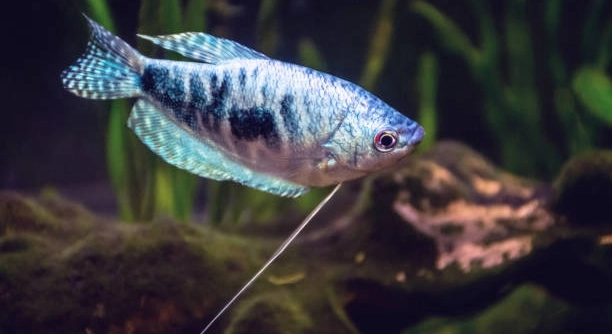
Gouramis are popular freshwater fish often kept in home aquariums. They have unique behaviors that can change depending on their environment. Observing how they act when alone can help owners understand them better.
Gouramis do exhibit different behaviors when they are alone compared to when they are in groups. Alone, they tend to be less active and more reserved, showing fewer social interactions and reduced territorial displays. This change is a natural response to the absence of other fish.
Learning about these behavior changes can help aquarium owners provide better care. Knowing what to expect makes it easier to create a comfortable environment for your gourami.
How Gouramis Behave When Alone
Gouramis often become quieter and less active when kept alone. They might swim slowly near the bottom or stay close to hiding spots. Without other gouramis around, they miss the usual social signals and competition, which usually keep them more engaged. You may notice less chasing or flaring of fins, which is common in groups. This calm behavior does not mean they are unhappy; it is just their way of conserving energy and feeling safe. Some gouramis become shy and may hide more often. Others may explore their tank but without the excitement that comes from interacting with other fish. Watching your gourami alone can reveal a more peaceful side of their personality. It is important to provide places where they feel secure, like plants or decorations, to support this quiet behavior. A single gourami will adjust to its environment but still needs a stimulating tank to stay healthy and active.
Alone gouramis can seem more relaxed but less lively. They adapt by reducing social actions and focusing on simple swimming and resting.
Understanding this behavior helps improve tank setups. Giving your gourami cozy spaces and a calm environment encourages natural, comfortable actions. Adding plants or hiding spots supports their well-being and helps balance their quiet lifestyle. Even when alone, they benefit from a tank that feels safe and offers some mental stimulation. Keeping the water clean and stable also plays a big role in keeping your gourami calm and healthy. Observing these changes can guide you in caring for a single gourami in a way that fits its needs, helping it thrive quietly.
Effects of Being Alone on Gourami Health
Being alone can affect a gourami’s health in both good and bad ways. Without the stress of competing with others, they might avoid injuries and reduce aggression-related stress. However, isolation may sometimes lead to boredom, which can affect their appetite or activity levels. If a gourami seems withdrawn, it could be a sign to check water conditions or tank enrichment. Providing a balanced diet and keeping the environment clean are key to preventing health issues. Some gouramis enjoy the calm and show steady growth and vibrant colors when alone. Others might benefit from a tank mate to encourage movement and interaction. Knowing how your gourami reacts alone will help you decide the best care approach. Paying attention to subtle changes in behavior or health can make a big difference in keeping your fish happy and healthy.
Alone gouramis may face health changes due to less stimulation but also less stress from tankmates. Balancing these factors is important for care.
Keeping a gourami healthy alone means observing behavior closely and providing good nutrition. Regular water checks and environmental enrichment keep their immune system strong. If your gourami seems inactive or loses color, it could be due to loneliness or poor conditions. Try adding new plants or gentle tank movement to spark interest. Remember, every gourami reacts differently to being alone, so adjusting care based on its behavior is important. Some do well solo, while others thrive with companions. Making thoughtful changes helps maintain their health and happiness no matter the tank size or setup.
Signs Your Gourami is Comfortable Alone
A comfortable gourami swims calmly and explores its tank without signs of stress. It often uses hiding spots but doesn’t stay hidden all the time. You might see it occasionally flaring fins or gently investigating decorations. These are good signs it feels safe.
When a gourami is content alone, it usually maintains regular eating habits and shows normal coloring. It will swim around during feeding times and respond to gentle movements near the tank. Resting calmly near plants or decorations without frantic darting or hiding often means the fish is at ease. If your gourami seems curious but relaxed, this shows it is comfortable without companions and adjusting well to a solitary environment.
On the other hand, a comfortable gourami will still show some natural behaviors like bubble nest building in males or brief territorial displays even when alone. These activities indicate it is mentally engaged and healthy. Ensuring your tank has a mix of open swimming areas and sheltered spots helps your gourami stay balanced and stress-free while living solo.
How to Help a Lonely Gourami Thrive
Increasing tank enrichment can make a solitary gourami more active and interested in its environment. Adding live plants, smooth rocks, and gentle water flow simulates a natural habitat, which encourages exploration and reduces boredom. This simple setup supports both mental and physical health.
To help your gourami thrive alone, maintain stable water conditions and keep a regular feeding schedule. Offering varied food, like flakes, pellets, and occasional live or frozen treats, promotes good nutrition and curiosity. Watching your fish closely can guide you in adjusting the tank setup and care to fit its personality. Sometimes changing decorations or adding floating plants can spark new interest and movement. Small changes can make a big difference in the daily life of a solitary gourami. With care and attention, even a lonely gourami can live a rich and healthy life.
Common Misconceptions About Gouramis Alone
Many people think gouramis will become lonely or depressed if kept alone. While they do miss social interactions, they do not suffer like mammals do. Gouramis can adapt well to solitary living with the right environment.
Another misconception is that gouramis will always be inactive when alone. In reality, they may simply show quieter behavior. With proper care, they can still be lively and healthy even without tank mates.
Creating a Safe Space for Your Gourami
Providing plenty of hiding spots and plants helps gouramis feel secure when alone. These areas reduce stress and encourage natural behavior. It’s important to arrange the tank so your fish can retreat when needed without feeling exposed or threatened.
The Role of Tank Size for Solo Gouramis
A larger tank offers more room to explore and reduces stress for solitary gouramis. Even without companions, space helps prevent boredom and encourages natural swimming patterns. Keeping the water clean and stable is just as important for their well-being.
FAQ
Do gouramis get lonely if kept alone?
Gouramis do not experience loneliness the way humans or some pets do. While they are social fish by nature, they can adapt well to being alone if their environment is comfortable and stimulating. Providing hiding spots and maintaining good water quality helps them feel secure. Their behavior may change, showing less activity and fewer social displays, but this does not mean they are unhappy.
How can I tell if my gourami is stressed when alone?
Signs of stress in a solitary gourami include hiding excessively, refusing to eat, rapid breathing, or darting nervously around the tank. Loss of color and lethargy can also indicate stress. If these signs appear, check water conditions first, as poor water quality often causes stress. Adding plants and decorations to reduce open spaces might help your gourami feel safer.
Can a gourami live happily without tank mates?
Yes, many gouramis live happily alone, especially if they are given a well-maintained tank and enough enrichment. Some species are more social than others, but most adapt by showing calmer, less aggressive behavior when alone. It’s important to provide a stable environment with places to explore and rest.
Should I add other fish to keep my gourami company?
Adding tank mates depends on your gourami’s species and temperament. Some gouramis tolerate other peaceful fish well, while others prefer solitude. If you choose to add companions, select non-aggressive species that won’t compete for territory. Watch your gourami’s behavior closely after adding new fish to ensure there is no stress or bullying.
What tank size is best for a single gourami?
A tank of at least 20 gallons is recommended for a single gourami. This size provides enough space for swimming and hiding, helping reduce boredom and stress. Larger tanks are even better, offering more room to create a natural environment with plants and decorations.
How often should I feed a solitary gourami?
Feed your gourami once or twice a day with high-quality flakes, pellets, or frozen foods. Avoid overfeeding, as this can cause water quality issues. Watch your fish eat and adjust the amount if leftovers remain. A balanced diet keeps your gourami healthy and active even when alone.
Do male gouramis behave differently when alone?
Male gouramis may still build bubble nests even when alone, which is a natural behavior. Without other males to compete with, they usually show less aggression. However, they may be less active socially and spend more time resting or exploring their territory quietly.
Can being alone affect a gourami’s lifespan?
Being alone does not necessarily shorten a gourami’s lifespan. Stress and poor tank conditions are bigger risks. A well-cared-for solitary gourami with clean water, good food, and a stimulating environment can live just as long as one kept in a community tank.
What are some good decorations for a solo gourami tank?
Use live or artificial plants, smooth rocks, and caves to create hiding spots. Floating plants help mimic natural light and provide shelter near the surface. Avoid sharp decorations that could injure your fish. Changing decorations occasionally can also keep your gourami interested and active.
How do I introduce a new tank mate to my gourami?
If you decide to add a new fish, introduce it slowly by using a quarantine tank first. Watch both fish for signs of aggression or stress. Adding tank mates that are peaceful and roughly the same size helps reduce conflicts. Make sure the tank is large enough to give each fish space to avoid territorial fights.
Gouramis are interesting fish that can adapt to living alone, but their behavior changes in noticeable ways. When alone, they tend to be calmer and less active than when kept in groups. This is a natural response, as they miss the social interactions that happen with other gouramis. Being alone does not mean they are unhappy or unhealthy; it just means they adjust their activity and energy levels to fit their environment. A solitary gourami might spend more time resting or hiding, which is normal and helps them feel safe. Observing these changes can help owners understand their fish better and provide the right care.
Caring for a lone gourami means creating an environment where the fish feels secure and engaged. Including plants, decorations, and hiding spots helps keep them comfortable and reduces stress. These features allow the gourami to explore, rest, and feel protected. It is also important to maintain clean water and offer a balanced diet to support their health. Some gouramis even build bubble nests or show small territorial displays when alone, which is a good sign of mental stimulation. Overall, a well-prepared tank can help a solitary gourami live a healthy and content life.
Even though gouramis can live alone, it is important to watch for any signs of stress or health problems. Changes in behavior, such as loss of appetite or constant hiding, might mean the fish needs more attention or a better environment. Regular tank maintenance and close observation are key to keeping a single gourami happy. For some gouramis, having tank mates is beneficial, but for others, a peaceful solo tank is better. Knowing your gourami’s personality and needs will help you provide the best care, whether it lives alone or with companions. With the right setup and care, a gourami can thrive and bring enjoyment to any aquarium.

Hello,
If you enjoy the content that we create, please consider saying a "Thank You!" by leaving a tip.
Every little bit helps us continue crafting quality advice that supports the health, happiness, and well-being of pets around the world, for pets of all shapes, sizes, and species.
We really appreciate the kindness and support that you show us!