
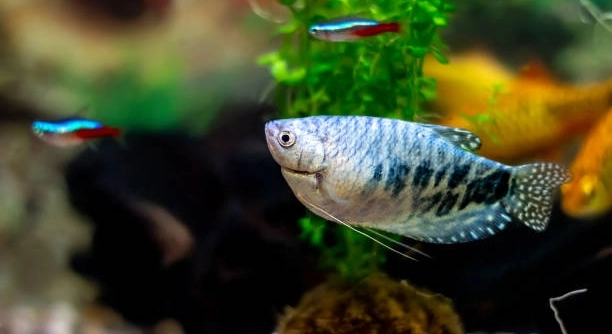
Gouramis are popular freshwater fish known for their peaceful nature. However, they sometimes show protective behavior, especially around their territory or offspring. Understanding these moments can help keep your aquarium balanced and calm.
Gouramis display protective behavior mainly during breeding, territory defense, and when sensing threats nearby. These actions include guarding their nest, chasing intruders, and showing aggression to protect their young or space. This behavior is natural and vital for their survival.
Recognizing these signs can improve how you care for gouramis and maintain harmony in your tank environment. The following examples highlight key moments when gouramis act protectively.
Protecting Their Territory
Gouramis are very aware of their space in the aquarium. When they feel their territory is threatened, they act to defend it. This is most common when a new fish enters the tank or when other gouramis get too close. They will flare their fins and sometimes chase the intruder to show dominance. This behavior is a way for gouramis to establish boundaries and reduce competition for food and shelter. If their territory is respected, they usually stay calm and peaceful. However, if space is limited or overcrowded, these protective actions can happen more often. Giving gouramis enough room to create their own space can reduce stress and fighting. Watching their movements closely can help you understand when they are uncomfortable or feel the need to protect their area. This behavior is natural and part of how gouramis maintain balance in their environment.
Territory defense usually looks like fin flaring and chasing. It’s their way of setting clear boundaries.
Creating enough space in the tank helps keep peace. Providing hiding spots or plants also gives gouramis safe areas to retreat, lowering their need to act aggressively. When you notice these signs, it’s a good idea to check the tank setup and ensure there’s enough room for each fish to have its own place. Overcrowding often triggers protective actions, so keeping an eye on tank population can prevent issues. Gouramis also benefit from a stable environment where changes happen slowly. Sudden moves or additions can cause stress and increase territorial behavior. By maintaining a calm and spacious habitat, you support their natural instincts while keeping the tank peaceful for all its residents.
Nest Guarding Behavior
During breeding, gouramis become highly protective of their nests. They build bubble nests at the water’s surface and watch over them carefully. This guarding behavior ensures the eggs and fry stay safe from harm. Both male and female gouramis may take part in this, but males usually show stronger protection. They stay near the nest and chase away any fish that come too close. The guarding can last until the eggs hatch and the young are free swimming. This careful attention increases the chances of survival for their offspring. In a home aquarium, it is important to avoid disturbing the nest or adding new fish during this time to prevent stress. Observing this behavior can be fascinating and shows a different side of gouramis beyond their calm appearance.
Nest guarding keeps eggs safe until they hatch and fry grow stronger.
Protecting the nest requires energy and focus. During this time, the guarding gourami can become aggressive and less tolerant of other fish. It’s best to keep the tank environment calm and avoid making sudden changes. If possible, separate the breeding pair or provide a dedicated breeding tank. This helps reduce stress on the parents and increases survival rates for the young. Make sure the water conditions are stable and clean to support the health of both adults and fry. Watching a gourami protect its nest is a clear example of their natural instincts and commitment to their offspring’s safety. It also offers insight into their behavior that can help aquarists provide the right care. Being aware of this phase allows for better management of tank mates and reduces conflicts during breeding.
Aggression Toward Intruders
Gouramis show clear aggression when unfamiliar fish enter their space. This behavior helps keep their environment secure. They use displays like fin spreading and quick movements to warn others away.
This aggressive behavior is a natural defense mechanism. When a new fish or other species invades their territory, gouramis try to protect resources such as food, hiding spots, and breeding areas. This can lead to chasing or light nipping. Aggression is usually more intense during breeding or when the gourami feels threatened. However, this behavior rarely results in serious harm if the tank is large enough and fish have room to escape. Recognizing these signs early helps avoid prolonged stress or injury.
Aggression may also increase if the tank is overcrowded or if the gourami has limited hiding places. Providing adequate space and plenty of plants or decorations helps reduce conflict. Ensuring compatible tank mates also lowers stress and aggression. Understanding this behavior can improve how you manage your aquarium and support a peaceful community.
Parental Care After Hatching
Once the eggs hatch, gouramis continue to protect their young. The parents keep a close watch and may guide the fry to safe spots in the tank. This care lasts until the young are strong enough to fend for themselves.
During this time, gouramis show patience and attentiveness. They guard the fry from potential threats and even help by moving them away from danger. Parental care is demanding and can cause the adult gouramis to become more defensive or less active in other tank activities. It is important to minimize disturbances during this period to avoid stressing the parents or fry. Feeding the fry small, nutritious food supports their growth and helps them thrive. This phase shows how gouramis balance their protective instincts with the challenges of raising young in a shared environment.
Warning Displays
Gouramis use warning displays to signal danger or discomfort. These include flaring fins, puffing up their bodies, and making quick movements. It’s a way to warn others without direct confrontation.
These displays help prevent fights by showing strength and readiness. When other fish see these signals, they often back off, keeping the peace in the tank.
Protecting Food Sources
Gouramis guard their food to make sure they get enough to eat. They may chase away other fish that try to share their meal. This behavior helps them maintain their health and energy levels.
Responding to Stress
When stressed, gouramis may become protective or aggressive. Stress can come from poor water quality, overcrowding, or sudden changes. Monitoring their behavior helps catch problems early and improve their environment.
Territorial Marking
Gouramis mark their territory by swimming in specific patterns or resting in certain spots. This behavior sets boundaries without physical fights and helps maintain order in the tank.
FAQ
Why do gouramis show protective behavior only sometimes?
Gouramis usually stay calm, but they show protective behavior when they feel threatened or stressed. This can happen during breeding, when defending territory, or if a new fish enters their space. These moments are natural and help them survive by guarding their eggs, space, or food. If their environment is peaceful and stable, these behaviors happen less often.
How can I tell if my gourami is being protective or aggressive?
Protective behavior often includes fin flaring, chasing, and guarding nests or territory. Aggression may look similar but usually involves more frequent chasing and nipping. Protective actions tend to be brief and focused, especially around breeding times. Watching how long the behavior lasts and what triggers it helps identify whether it’s protective or aggressive.
Is it normal for gouramis to chase other fish?
Yes, chasing is a common way gouramis protect their space, food, or young. It’s their way of saying “stay away.” However, if chasing becomes constant, it might mean the tank is overcrowded or lacks enough hiding spots, which causes stress.
Can protective behavior harm other fish in my tank?
Usually, protective behavior is more about warning than harming. Most times, other fish back off when they see warning signs. But if the tank is too small or overcrowded, chasing can lead to injuries. Keeping the tank clean and providing enough space helps reduce the risk of harm.
How should I care for gouramis during breeding?
During breeding, gouramis build bubble nests and protect their eggs closely. Avoid disturbing the tank or adding new fish at this time to reduce stress. You can create a separate breeding tank to keep parents and fry safe. Feeding small, nutritious food to fry supports healthy growth.
What can cause a sudden increase in protective behavior?
Changes like adding new fish, shifting decorations, or poor water quality can stress gouramis and make them more protective. Overcrowding is another common cause. Regular tank maintenance and gradual introductions help keep gouramis calm.
Do both male and female gouramis show protective behavior?
Males usually show stronger protective instincts, especially during breeding. They guard the nest and chase away threats. Females may also act protective but are generally less aggressive. Each gourami can vary, depending on personality and environment.
How can I reduce protective aggression in a community tank?
Give gouramis plenty of space and hiding spots like plants or decorations. Avoid overcrowding by keeping the fish number appropriate for the tank size. Introducing new fish slowly and choosing compatible species lowers stress and aggression. Maintaining stable water conditions also helps keep gouramis relaxed.
When should I be concerned about protective behavior?
If protective behavior turns into constant aggression or leads to injuries, it’s a sign of stress or poor tank conditions. Watch for signs like torn fins, heavy chasing, or hiding fish. Taking steps to improve space, water quality, and tank mates can resolve these issues before they worsen.
Can protective behavior change as gouramis age?
Yes, younger gouramis might be less territorial, but as they mature, they often become more protective, especially during breeding. Older gouramis might also show less aggression if they are used to their environment and tank mates. Each fish’s behavior can change over time with experience and conditions.
Protective behavior in gouramis is a natural part of their life and helps them survive in their environment. These fish use protective actions to guard their territory, food, and offspring from perceived threats. It is important to understand that these behaviors are normal and serve a purpose, not just signs of aggression. Gouramis are usually peaceful, but their protective instincts can sometimes make them seem more aggressive than they really are. Knowing when and why these behaviors occur can help you better care for them and keep your aquarium peaceful.
Creating the right environment is key to managing protective behavior in gouramis. Providing enough space for each fish reduces stress and limits the need for territorial disputes. Adding plants, decorations, and hiding spots can give gouramis safe places to retreat when they feel threatened. Keeping the tank population balanced and avoiding overcrowding also lowers the chances of aggressive encounters. Maintaining clean, stable water conditions is important too, as poor water quality can increase stress and trigger defensive actions. Paying attention to the gouramis’ behavior and making small changes can make a big difference in how calm and comfortable they feel.
Watching gouramis protect their territory or care for their young can be interesting and rewarding. These behaviors show a different side of the fish beyond their usual calm nature. While it is important to watch for signs of stress or harm to other fish, most protective behavior is harmless and temporary. By providing the right conditions and understanding their instincts, you can help your gouramis live healthy, happy lives in your tank. Observing their protective actions can also teach you more about their needs and personalities, helping you become a better caretaker.

Hello,
If you enjoy the content that we create, please consider saying a "Thank You!" by leaving a tip.
Every little bit helps us continue crafting quality advice that supports the health, happiness, and well-being of pets around the world, for pets of all shapes, sizes, and species.
We really appreciate the kindness and support that you show us!