
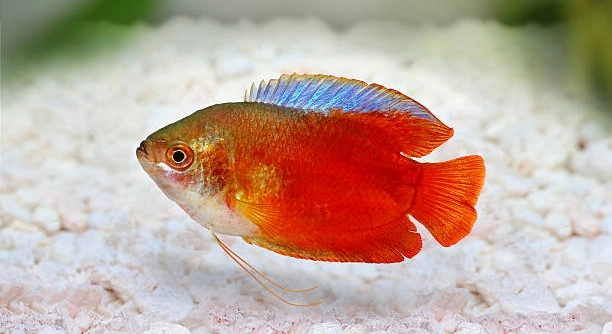
Gouramis are popular aquarium fish known for their vibrant colors and calm behavior. Recognizing fear in gouramis can help owners provide a better environment. Understanding these signs promotes healthier and happier fish in home tanks.
Fear in gouramis is typically shown through changes in behavior such as hiding, rapid gill movement, clamped fins, or erratic swimming. These signs indicate stress and discomfort, often caused by threats or unsuitable tank conditions.
Knowing how to spot fear in your gourami helps improve their care and creates a more peaceful aquarium environment.
Common Signs of Fear in Gourami
When gouramis feel scared, their behavior changes noticeably. They often hide behind plants, decorations, or the tank’s corners to avoid perceived threats. You might see their fins pressed tightly against their bodies, which is a clear sign of stress. Their swimming becomes quick and jerky, different from their usual smooth movements. Some gouramis may stop eating or eat less when frightened. Gill movement can speed up, showing they are trying to breathe faster due to stress. Color changes may also occur, with the fish appearing duller or paler than normal. These signs usually happen when the tank environment is too noisy, when there are aggressive tank mates, or when the water conditions are not ideal. Observing your gourami closely will help you recognize these behaviors early and respond appropriately to reduce their stress.
Understanding these signs early helps prevent long-term health issues caused by stress.
Watching for subtle changes in behavior is essential to keep your gourami comfortable and secure.
How Tank Conditions Affect Gourami Fear
Poor water quality or inappropriate tank setups can make gouramis feel unsafe. Gouramis prefer calm, clean water with stable temperatures and good filtration. Sudden changes in water temperature or high ammonia levels can stress them out. Too much noise or strong water currents also contribute to their fear, as these fish enjoy calm environments. Overcrowding is another problem—when too many fish share a small space, it can create tension and lead to aggressive behavior. Gouramis may feel threatened if tank decorations don’t provide enough hiding spots. Providing plenty of plants and caves helps them feel secure. Regular water testing and maintenance keep the environment healthy and reduce fear. Knowing how to create a stable and peaceful habitat directly impacts your gourami’s well-being and behavior.
Proper tank care makes a big difference in reducing fear and promoting natural behavior in gouramis.
How to Calm a Fearful Gourami
Reducing stress in gouramis requires creating a calm, secure environment. Minimizing loud noises and sudden movements around the tank helps a lot.
Adding plenty of plants and hiding spots gives your gourami places to feel safe. Soft lighting also reduces stress since bright lights can be overwhelming.
Keeping the water clean and maintaining stable temperature are essential. Regular water changes prevent toxins from building up, which keeps your fish healthier and less fearful. Avoid overcrowding the tank to reduce competition and aggression among fish. These steps create a peaceful habitat where gouramis can relax and feel protected.
Interactions With Other Fish and Their Impact on Fear
Some fish species are naturally more aggressive or territorial, which can frighten gouramis. Avoid mixing gouramis with known aggressive tank mates to reduce stress.
Peaceful community fish that share similar water needs usually get along well with gouramis. Watch how your gouramis behave when new fish are introduced. If signs of fear increase, it may be necessary to separate them or provide additional hiding places. Ensuring compatibility between species helps keep the aquarium balanced and your gouramis comfortable. Observing their interactions closely is key to maintaining harmony in the tank.
Recognizing Fear Through Color Changes
Fearful gouramis often show dull or faded colors. This change can be a quick way to notice stress without watching behavior closely.
A pale or washed-out appearance usually means the fish is uncomfortable. Bright, vibrant colors typically return once the fish feels safe again.
The Role of Feeding Behavior in Stress Detection
Changes in feeding habits are strong indicators of fear in gouramis. A scared gourami may lose interest in food or eat less than usual. This reduction in appetite signals that the fish feels unsafe or stressed. Monitoring feeding patterns helps track their emotional well-being and overall health.
Creating a Stress-Free Environment
A quiet, stable tank environment with plenty of plants helps reduce gourami fear. Calm surroundings make them feel safe and secure.
FAQ
How can I tell if my gourami is scared or just resting?
When gouramis rest, they usually stay calm with relaxed fins and gentle breathing. If your gourami is scared, you’ll notice rapid gill movement, clamped fins, or frantic swimming. Hiding often and showing pale colors are also signs of fear, unlike the peaceful behavior seen during rest.
Why does my gourami hide so much?
Hiding is a common response to fear or stress in gouramis. It means they are trying to avoid something they perceive as a threat. This can happen because of aggressive tank mates, loud noises, or poor water conditions. Providing enough plants and hiding spots helps reduce this behavior.
Can fear cause health problems in gouramis?
Yes, chronic fear and stress weaken their immune system, making them more vulnerable to illness. Prolonged stress can lead to loss of appetite, slower growth, and even early death. It’s important to address the causes of fear quickly to keep your gourami healthy.
What tank conditions trigger fear in gouramis?
Unstable water temperature, poor water quality, overcrowding, and lack of hiding places are common triggers. Loud noises and strong water currents can also stress gouramis. Maintaining a calm and stable environment is key to preventing fear.
How do I help my gourami feel safe after moving it to a new tank?
Set up the tank with plenty of plants and decorations for hiding. Keep the lighting soft and avoid loud noises around the tank. Let your gourami acclimate slowly by adding water from the new tank to its old container before fully moving it. This helps reduce shock and fear.
Can gouramis get scared by reflections or their own image?
Yes, gouramis can mistake reflections in the glass for other fish, which may cause fear or aggression. To reduce this, adjust the lighting or add plants near the glass to break up reflections and make the tank feel less open and intimidating.
Is it normal for gouramis to change color when stressed?
Yes, gouramis often lose their bright colors and look dull or faded when stressed or scared. Once they feel safe again, their colors typically return to normal. Watching for these changes helps you know when your fish is under stress.
How often should I check on my gourami to notice fear signs?
Daily observation is best. Spending a few minutes each day watching your gourami helps you catch early signs of fear or stress. Early detection allows you to act quickly and make needed changes in the tank environment.
Are some gourami species more prone to fear than others?
Some gouramis are naturally more timid, like the dwarf gourami, while others are bolder. Knowing your species helps tailor care and tank conditions to reduce fear and stress for your particular fish.
What should I do if my gourami is constantly hiding and not eating?
First, check the tank conditions—water quality, temperature, and tank mates. Make sure the environment is peaceful and has enough hiding spots. If the problem continues, it might be a sign of illness or chronic stress, so consulting a vet or fish expert is a good idea.
Can changing the tank setup reduce my gourami’s fear?
Yes, rearranging decorations and adding plants can give your gourami new hiding spots and reduce stress. Sometimes small changes in the tank setup help fish feel more secure and less fearful.
Do gouramis get scared of new tank mates?
Introducing new fish can cause fear in gouramis, especially if the newcomers are aggressive or very active. Gradual introduction and choosing peaceful species help lower fear and promote harmony in the tank.
Is it okay to keep gouramis alone if they are very fearful?
Yes, keeping a single gourami can reduce stress caused by bullying or competition. Some gouramis do well alone, but others enjoy company. Observe your fish’s behavior to decide what works best.
How long does it take for a scared gourami to calm down?
It varies depending on the cause of fear and the environment. Some gouramis calm down in a few hours, while others may take several days. Consistent care and a stable tank environment speed up the process.
Can I use medication to reduce stress in gouramis?
Medications are usually for treating illness, not fear. The best approach is improving tank conditions and reducing stressors. Only use medication if your fish shows signs of disease, and always follow expert advice.
When it comes to caring for gouramis, recognizing signs of fear is an important part of keeping them healthy and happy. Fear can affect a gourami’s behavior, appearance, and overall well-being. By watching for changes like hiding, color fading, and unusual swimming patterns, you can better understand how your fish is feeling. These signs help you know when your gourami may be stressed or uncomfortable. Taking time to observe your fish regularly makes it easier to catch fear early and take steps to reduce it.
Creating a peaceful and stable tank environment is key to helping gouramis feel safe. Clean water, proper temperature, and plenty of plants or hiding spots all work together to reduce fear. Avoiding overcrowding and aggressive tank mates also helps keep stress low. Small changes, such as soft lighting and quiet surroundings, can make a big difference in how relaxed your gourami feels. When their environment meets their needs, gouramis are more likely to show natural, calm behavior and maintain their bright colors and appetite.
Remember that every gourami is unique and may react differently to stress or fear. Some take longer to adjust to new environments or tank mates. Patience and attention to their needs are important. By making sure their tank is comfortable and by paying close attention to their behavior, you give your gouramis the best chance to thrive. The effort you put into reducing fear not only improves their health but also makes watching your fish a more enjoyable and rewarding experience.

Hello,
If you enjoy the content that we create, please consider saying a "Thank You!" by leaving a tip.
Every little bit helps us continue crafting quality advice that supports the health, happiness, and well-being of pets around the world, for pets of all shapes, sizes, and species.
We really appreciate the kindness and support that you show us!