
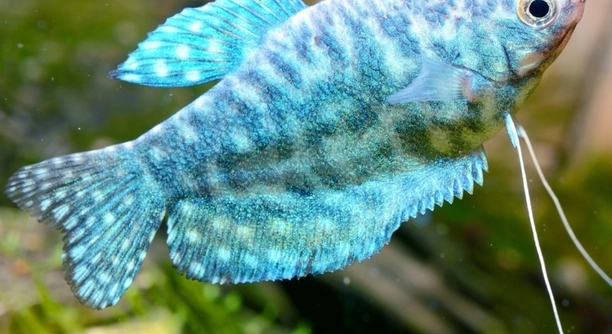
Do you ever find yourself wondering if your gourami is truly comfortable and content in its tank at home?
Keeping gouramis happy involves providing a clean, well-maintained tank, stable water conditions, proper tank mates, and a varied diet. These elements help support both their physical health and emotional well-being.
Creating the right setup and routine for your gourami can make a big difference. Each step can lead to a calmer, healthier fish with a more vibrant personality.
Keep the Water Clean and Stable
A clean tank is one of the most important things for gourami health. Poor water quality can lead to stress, sickness, and dull colors. Start by investing in a good filter that matches the size of your aquarium. Test your water weekly to check ammonia, nitrite, and pH levels. Keep the temperature stable, ideally between 75–80°F. Sudden changes in temperature or pH can upset your gourami. Use a heater and thermometer to avoid drops. Also, do regular water changes—around 25% each week. Remove any uneaten food or waste before it breaks down. Clean the gravel lightly to avoid stirring up too much debris. If you use tap water, treat it with a conditioner to remove chlorine and heavy metals.
A stable tank creates a safe and calm space for your gourami. They are sensitive to changes, so keeping the environment steady matters a lot.
Routine and balance are key. Avoid over-cleaning, which can remove helpful bacteria. Instead, focus on slow and steady upkeep. Clean the filter as needed, but never all parts at once. Try to handle water changes at the same time each week, so your gourami gets used to the pattern. This helps reduce stress and makes care easier for you too.
Choose the Right Tank Mates
Gouramis can be peaceful, but they don’t get along with every fish. Avoid aggressive or very active species.
Some fish nip fins, which can harm gouramis. Others may outcompete them during feeding. Go for calm tank mates like cory catfish, mollies, or tetras. Avoid pairing them with fin-nippers like barbs or fish that grow too large. Male gouramis may become territorial with other males, so consider keeping only one male per tank unless you have enough space. Size also matters—make sure the tank is large enough to provide hiding spots and swimming room. Use plants or decorations to break the line of sight. This helps reduce tension among tank mates. If you notice chasing or fighting, be ready to separate them. Watch their behavior after introducing new fish. Feeding time is another good way to spot issues—if your gourami seems hesitant or is being bullied away from food, you may need to rethink your setup.
Give Them a Balanced Diet
Gouramis do best on a varied diet. Flakes and pellets are good basics, but adding frozen or live foods supports better color and energy. Avoid overfeeding to prevent water problems.
Try feeding a mix of high-quality flakes, sinking pellets, and occasional treats like bloodworms or brine shrimp. These extras offer protein and variety. Feed small amounts once or twice a day—only what they can eat in two minutes. Watch how your gourami reacts. If food is left over, reduce the portion next time. Rotate different foods during the week to prevent boredom. A balanced diet helps strengthen their immune system and keep their colors bright. Also, avoid feeding only one type of food all the time—it can lead to deficiencies.
Some gouramis nibble on plants, which is normal. Still, their main diet should come from trusted fish food sources. If you notice your fish ignoring meals, check for stress or tank problems. Sometimes poor appetite can be a sign of illness or a change in water quality. Feeding time also helps you bond with your gourami and observe their behavior more closely. It’s a good chance to spot anything unusual early and make adjustments. Consistent feeding routines keep things smooth.
Offer Hiding Places and Plants
Gouramis like calm spots. Floating plants and caves help them feel safe. These areas also help reduce stress and let them rest or explore without being disturbed by other fish.
Live plants like Java fern or Anubias work well. They’re hardy and won’t require too much upkeep. Floating plants, such as Amazon frogbit or water lettuce, give shade and make your gourami feel more secure near the surface. Decorations like driftwood or soft artificial caves can offer hiding spaces. Be sure any decorations have no sharp edges. Arrange items to allow swimming space while still giving places to retreat. Use plants and structures to break up the tank view, which lowers tension between fish. A mix of open space and shelter helps your gourami stay active without becoming overwhelmed. This simple setup change makes a big difference in their behavior.
Maintain a Calm Environment
Loud noises and sudden movements near the tank can stress gouramis. Keep the tank in a low-traffic area away from TVs or speakers. Stress can lead to illness or make your fish hide more than usual.
Avoid tapping on the glass or sudden changes in lighting. Use a timer for lights to keep a steady day-night cycle.
Keep the Tank Size Right
Gouramis need enough room to swim and feel secure. A small tank can make them feel trapped and more aggressive. For dwarf gouramis, start with at least 10 gallons. Larger species need more space—closer to 20 or 30 gallons. Overcrowding causes stress, lowers water quality, and leads to more frequent fights. Make sure the tank has a lid, as gouramis can jump. Also, more water volume helps keep conditions stable. Bigger tanks allow better filtration and more room for plants and hiding spots. The right tank size supports both their health and your ability to care for them properly.
Avoid Strong Currents
Gouramis prefer calm water. Strong filters or bubbling features can make swimming harder and cause stress. Use gentle flow settings and redirect current with plants or decorations.
FAQ
How often should I feed my gourami?
Feed your gourami once or twice a day with small portions they can finish in two minutes. Overfeeding can cause water issues and harm their health. Try offering a variety—flakes, pellets, and occasional treats like frozen bloodworms or brine shrimp. Skipping one feeding per week can also help their digestion.
Can gouramis live alone, or do they need other fish?
Yes, some gouramis can live alone and do just fine, especially if they are territorial or easily stressed. However, certain species do well in peaceful community tanks. It depends on their type and personality. Always avoid housing multiple male gouramis in small tanks, as they may fight.
Why is my gourami hiding all the time?
Gouramis often hide when stressed, sick, or adjusting to a new tank. Poor water conditions, aggressive tank mates, or too much noise can also cause this. Check water parameters and the tank environment. Adding more plants or decorations can help them feel safer and reduce hiding.
What size tank do I need for my gourami?
For dwarf gouramis, a 10-gallon tank is the minimum. Larger types, like pearl or three-spot gouramis, need at least 20 to 30 gallons. Bigger tanks help with water stability, reduce aggression, and allow room for swimming and plants. Always consider the adult size of your fish.
Do gouramis need a heater?
Yes, most gouramis are tropical fish and need warm water between 75–80°F. A heater helps keep the temperature stable, especially in cooler climates or during winter. Fluctuating temperatures can cause stress or sickness, so use a thermometer to monitor the tank daily.
Can I keep more than one gourami together?
It depends on the species and the tank size. Female gouramis are usually more peaceful, and a group of females can often be kept together. Males tend to be more territorial, especially in smaller tanks. If you want more than one, make sure there’s enough space and hiding areas.
What kind of filter should I use for a gourami tank?
Use a filter that provides gentle flow. Gouramis prefer calm water and may struggle with strong currents. A sponge filter or an adjustable hang-on-back filter works well. Make sure the filter size matches your tank capacity to maintain clean and healthy water conditions.
Why is my gourami losing its color?
Color loss can be due to stress, poor diet, or illness. Make sure the water quality is good, the tank mates are peaceful, and the diet is balanced. Lack of variety in food or low-quality flakes can dull their color over time. A stressed fish often appears pale.
Is it normal for gouramis to make bubbles at the surface?
Yes, male gouramis build bubble nests when they feel comfortable. It’s part of their breeding behavior. Even if there are no females present, they may still do it. It’s a good sign that the fish is healthy and feels safe in the tank.
How do I know if my gourami is sick?
Look for signs like clamped fins, loss of appetite, odd swimming, white spots, or staying near the surface too long. Also, watch for gasping or rubbing against objects. These symptoms could mean a water issue, parasite, or infection. Check your water first, then consider treating if needed.
Final Thoughts
Caring for gouramis is not too difficult once you understand their needs. They are peaceful fish that enjoy calm water, quiet surroundings, and a stable environment. When their tank is clean, the temperature is just right, and there are plenty of places to rest or hide, gouramis can become active, curious, and full of color. Watching them glide through the water or build bubble nests is often a sign that they feel at home. These fish are not only beautiful but also have calm personalities that can add a peaceful feeling to your tank. With steady care, they can live healthy, stress-free lives.
Gouramis rely on you for everything—from clean water and good food to a safe space away from loud noise and aggressive fish. A good routine makes all of this easier. Testing the water once a week, feeding small amounts daily, and observing their behavior can help you notice changes early. If something seems off, it’s often a sign that the tank conditions need to be checked. They may hide more, lose color, or eat less. Making small adjustments—like a water change or moving tank decorations—can often fix things before they turn into bigger problems. Keeping their world stable is one of the best ways to keep them happy.
Every tank is different, and each gourami may act in its own way. Some like to stay near plants, while others may explore more often. The key is to stay consistent and patient. Watch how they respond to changes and learn what works for your tank. Whether you’re new to keeping fish or already have experience, gouramis are a great choice if you’re looking for calm, easy-to-care-for fish. Their simple needs can be met with attention and a steady hand. Over time, you’ll get to know their habits and even small quirks. When they’re healthy, their behavior, color, and activity level will reflect that. A happy gourami is a rewarding sight, and providing the right care for them can bring a quiet joy to your daily routine.

Hello,
If you enjoy the content that we create, please consider saying a "Thank You!" by leaving a tip.
Every little bit helps us continue crafting quality advice that supports the health, happiness, and well-being of pets around the world, for pets of all shapes, sizes, and species.
We really appreciate the kindness and support that you show us!