
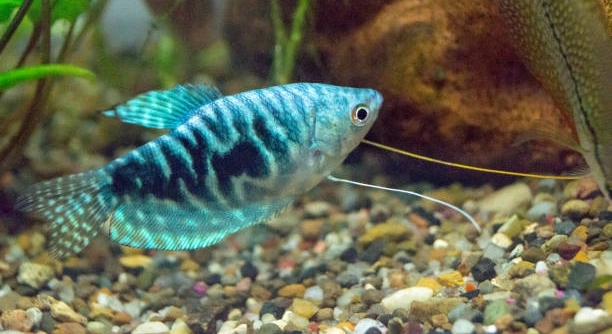
Gouramis are popular freshwater fish known for their vibrant colors and peaceful nature. Many aquarium owners appreciate how these fish adapt to their environment. Observing their behavior can offer insights into the health of the tank and its conditions.
Gouramis have sensory adaptations that allow them to detect changes in their environment relatively quickly. They respond to alterations in water quality, temperature, and tank layout through behavioral cues, enabling them to adjust and signal stress or comfort within hours.
Understanding how gouramis detect and react to tank changes can improve care and create a healthier aquatic environment for these delicate fish. This article explores the key signs and responses gouramis exhibit during environmental shifts.
How Gouramis Sense Environmental Changes
Gouramis have specialized sensory organs that help them detect changes in their tank quickly. Their lateral line system is key—it runs along their sides and senses vibrations and water movements. This helps gouramis notice if the water flow changes or if something new is added to the tank. They are also sensitive to chemical changes in the water, such as shifts in pH or ammonia levels. These changes can make gouramis behave differently, like hiding more often or becoming restless. Because of their heightened senses, gouramis can act as early indicators of problems in the tank. Paying attention to their behavior can help aquarium owners take action before issues worsen. Their response is usually faster than what humans can detect through testing, which makes observing gouramis a valuable tool for tank maintenance.
Gouramis rely heavily on both their lateral line and chemical senses to stay aware of their environment. These systems keep them alert to anything unusual.
Fish like gouramis also react to sudden changes in lighting or temperature. For example, if the water temperature drops quickly, gouramis may slow down or stop eating. Sudden changes can stress them out, which may lead to illness. Keeping tank conditions stable helps gouramis stay healthy and comfortable. Gradual changes are easier for them to handle. Regular monitoring and slow adjustments reduce stress and keep the fish thriving. Their natural instincts guide them to seek safe spots or swim near the surface if oxygen levels drop. Observing these behaviors helps aquarium owners understand when their tank environment needs attention.
Signs Gouramis Show When Detecting Tank Changes
When gouramis detect a change in their tank, their behavior usually shifts noticeably. They may become more withdrawn or stop eating altogether. Some gouramis display increased activity, swimming faster or more erratically. Others might hide behind plants or decorations more often than usual. These are typical signs that something in the environment is off. In some cases, gouramis develop a faded color or dull appearance as a stress response. Watching for these signs can help catch issues early, ensuring the tank remains a safe habitat.
Behavioral changes in gouramis are clear signals that the tank environment needs evaluation.
Physical signs can also indicate stress. For example, gouramis might develop clamped fins or show rapid gill movements when oxygen is low. These responses highlight the importance of maintaining clean water and stable conditions. Sudden additions like new fish or decorations can also cause stress. Giving gouramis time to adjust minimizes negative effects. The key is to observe and respond quickly to these cues. Proper care and attention make all the difference in keeping gouramis healthy and comfortable in their tank.
Gouramis’ Reaction to Water Quality Changes
Gouramis quickly respond to poor water quality. When ammonia, nitrite, or nitrate levels rise, they show signs of stress through erratic swimming or gasping at the surface. These behaviors indicate the need for immediate water testing and correction.
Poor water quality affects gouramis’ health and behavior. They rely on clean, well-oxygenated water to thrive. When harmful chemicals accumulate, gouramis become less active and may lose appetite. Prolonged exposure to toxic water conditions weakens their immune system, making them prone to diseases. Frequent water changes and proper filtration help maintain water quality and prevent stress. Testing kits are useful to track levels of ammonia and nitrates regularly. Acting fast is crucial when changes are detected, as gouramis have limited tolerance for pollutants.
Maintaining stable water parameters is essential to avoid sudden shocks. Changes in pH or temperature must be gradual to minimize stress. Keeping the environment stable supports gouramis’ natural behaviors and long-term health. Proper tank maintenance reduces fluctuations, ensuring a balanced habitat where gouramis can flourish.
Adjusting to New Tank Decorations or Layouts
Gouramis often react to new tank decorations or rearranged layouts with caution. They may hide or explore cautiously at first. This behavior shows their ability to detect unfamiliar changes and assess safety.
Sudden rearrangements can unsettle gouramis. They rely on familiar surroundings for comfort and security. New decorations may block their usual swimming paths or hiding spots, leading to increased stress. Giving gouramis time to adjust is important. Moving decorations slowly or introducing one change at a time reduces shock. Observing their response helps identify if the new setup is suitable. Gradual acclimation supports their well-being and prevents unnecessary stress.
Providing enough hiding spots and open swimming areas encourages confidence during changes. This balance helps gouramis feel secure and reduces aggressive behavior. Consistency in tank environment promotes a stable, healthy space for gouramis to thrive.
Temperature Sensitivity in Gouramis
Gouramis are sensitive to sudden temperature changes. Even a small drop or rise can cause stress, affecting their behavior and health.
Keeping water temperature stable within their ideal range is key. Rapid fluctuations can lead to illness or reduced activity.
How Gouramis Communicate Stress
Gouramis use color changes and fin movements to communicate discomfort. Pale colors or clamped fins often signal stress or poor conditions.
These signs help owners recognize when intervention is needed to restore a healthy environment.
Importance of Regular Tank Monitoring
Consistent monitoring of water quality, temperature, and fish behavior helps maintain a stable tank environment. Early detection of changes prevents health problems.
Regular testing and observation allow timely action, ensuring gouramis remain healthy and comfortable.
Feeding Behavior Changes
Stress from environmental changes often affects gouramis’ appetite. Reduced or erratic feeding signals that something may be wrong in the tank.
How quickly can gouramis detect changes in their tank environment?
Gouramis can detect changes in their environment within a few hours to a day. Their lateral line system senses water movement, and their chemical sensitivity allows them to notice shifts in water quality or temperature. Behavioral changes, such as hiding or increased activity, are often immediate indicators of discomfort or stress. The speed of their response depends on the severity of the change and the specific factor involved. Minor variations might cause subtle behavior shifts, while sudden, drastic changes often lead to rapid and clear signs of distress. Paying close attention to these early signals helps address issues before they worsen.
What are the most common signs that a gourami is stressed due to tank changes?
Common stress signs include reduced appetite, hiding more than usual, erratic swimming, clamped fins, and faded coloration. Gouramis may also gasp for air at the surface if oxygen levels drop or if water quality declines. Some gouramis become less active, while others show restlessness or agitation. Stress affects their immune system, making them more prone to illness. Watching for these signs daily allows for timely adjustments in tank maintenance or environment. Ignoring these symptoms can lead to more serious health problems.
Can gouramis tolerate rapid temperature changes?
Gouramis generally do not tolerate rapid temperature changes well. Sudden shifts can cause shock, leading to decreased activity, loss of appetite, or even death if extreme. Ideal temperature stability is essential, with gradual adjustments preferred when necessary. Most gouramis thrive between 74°F and 82°F (23°C–28°C). Using a reliable heater and thermometer helps maintain consistent temperature. When introducing a new tank or water, acclimate gouramis slowly to prevent stress from temperature differences.
How do gouramis react to new tank decorations or rearranged layouts?
Gouramis usually react cautiously to new tank decorations or rearranged layouts. They may hide or explore the changes slowly, showing signs of curiosity mixed with caution. Sudden or large changes can cause stress, disrupting their normal routines. Gradual rearrangement and providing familiar hiding spots ease the adjustment period. Offering plenty of plants and spaces to retreat helps gouramis feel secure while they adapt.
What role does water quality play in gouramis’ behavior?
Water quality is crucial for gouramis’ health and behavior. Poor water conditions, including high ammonia, nitrite, or nitrate levels, can stress gouramis and cause symptoms like gasping, lethargy, and color fading. Clean, well-filtered water supports their immune system and normal behavior. Regular water tests and maintenance are essential to prevent toxic buildup. Stable pH levels and adequate oxygenation further ensure gouramis remain comfortable and active.
Why might gouramis reduce their food intake after a tank change?
Stress caused by environmental changes often leads to decreased appetite in gouramis. They might refuse food temporarily while adjusting to new conditions or recovering from discomfort. Illness linked to stress can also affect feeding. Ensuring water quality and stability reduces this behavior. Offering small, frequent meals and high-quality food encourages feeding. Monitoring food intake helps detect ongoing stress or health issues early.
How can aquarium owners help gouramis adjust to changes quickly?
Owners can help gouramis adjust by making changes slowly and providing a stable environment. Gradual water parameter shifts, slow rearrangement of decorations, and avoiding overcrowding reduce stress. Maintaining consistent lighting and temperature supports comfort. Adding familiar plants or hiding places gives gouramis a sense of security. Observing behavior daily allows owners to spot problems early and intervene as needed.
Do gouramis communicate their discomfort to other fish?
Gouramis may show signs of discomfort that other fish notice, such as increased hiding or aggressive behavior. However, they do not communicate stress directly. Changes in behavior can affect tank dynamics, sometimes causing tension or competition. Keeping compatible species and adequate space helps reduce additional stress.
What tools are best for monitoring gourami tank conditions?
Reliable test kits for ammonia, nitrite, nitrate, and pH are essential. Thermometers help track water temperature. Observing gouramis’ behavior regularly provides real-time feedback on tank health. Automated monitoring systems can offer additional convenience but are not necessary for most hobbyists. Consistent record-keeping helps identify trends or recurring issues.
How important is lighting in detecting tank changes for gouramis?
Lighting impacts gouramis’ comfort and behavior. Sudden bright or dim lighting changes can cause stress. Stable lighting schedules support normal activity and feeding patterns. Gouramis use light to navigate and feel secure. Avoid sudden, intense lighting shifts during maintenance or tank rearrangement to prevent stress reactions. Using timers maintains consistent light cycles.
Final thoughts on gouramis’ ability to detect changes in their tank highlight their sensitivity to their environment. These fish are naturally alert to variations in water quality, temperature, and tank layout. Their quick response to changes helps them avoid harm, but it also means owners must pay close attention to maintaining stable conditions. Understanding how gouramis react to their surroundings is important for keeping them healthy and stress-free. Regular monitoring and careful tank management reduce the chances of sudden shocks that can negatively affect gouramis.
It is clear that gouramis rely on several senses to detect changes in their habitat. Their lateral line system helps them sense movement and vibrations in the water, while their sensitivity to chemicals alerts them to changes in water quality. Behavioral signs such as hiding, changes in swimming, or loss of appetite provide early warnings of stress. Acting quickly when these signs appear can prevent health problems and improve the fish’s overall well-being. Tank owners should aim to create an environment that mimics natural conditions, with stable temperature, proper filtration, and consistent maintenance routines.
Maintaining a stable and comfortable tank environment benefits both the gouramis and the owner. Gouramis are more likely to thrive in predictable conditions where changes happen gradually. Rapid fluctuations in water parameters or sudden rearrangements can cause unnecessary stress. Providing enough space, hiding places, and a balanced diet further supports their health. Paying attention to these details reduces the likelihood of illness and promotes natural behavior. Overall, understanding gouramis’ sensitivity to changes helps owners create a better home for these fish, ensuring their longevity and quality of life.

Hello,
If you enjoy the content that we create, please consider saying a "Thank You!" by leaving a tip.
Every little bit helps us continue crafting quality advice that supports the health, happiness, and well-being of pets around the world, for pets of all shapes, sizes, and species.
We really appreciate the kindness and support that you show us!