
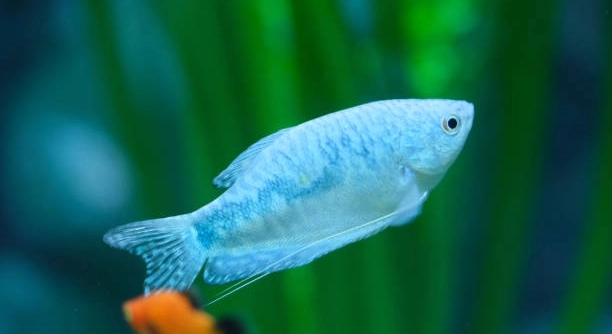
Gouramis are popular freshwater fish known for their gentle nature and vibrant colors. When kept in groups, their behavior can reveal interesting patterns that appeal to both beginners and experienced aquarists. Observing calm gouramis in a community tank offers insight into their social traits.
Calm gouramis in groups display traits such as peaceful interactions, low aggression levels, stable hierarchy, synchronized swimming, tolerance of tank mates, consistent feeding behavior, and minimal stress indicators. These characteristics contribute to a balanced and harmonious aquatic environment.
Recognizing these traits helps maintain a peaceful tank atmosphere and promotes the well-being of gouramis in group settings. The following sections will provide a detailed look at these behavioral patterns.
Peaceful Interactions Within the Group
Gouramis are known for their generally calm behavior, especially when kept in groups of compatible size. In a peaceful group, aggression is rare, and most interactions are non-confrontational. The fish often swim near each other without chasing or nipping. This calmness is partly due to the establishment of social bonds and a clear hierarchy. Each fish respects the others’ space, reducing stress and conflict. This behavior helps maintain a tranquil environment, which is essential for their health. When peaceful interactions are present, the gouramis appear relaxed, with smooth and steady movements. It is important to avoid overcrowding, as too many fish can disrupt this balance and cause tension. The tank environment, including hiding spots and plant cover, also supports peaceful behavior by offering refuge and reducing territorial disputes. Observing gouramis calmly swimming in groups is a good sign of a well-managed aquarium.
Peaceful behavior reduces stress, helping gouramis live longer and stay healthier in captivity.
A calm group encourages natural behaviors like foraging and exploring without fear. This creates an enjoyable and stable tank atmosphere. If gouramis show signs of aggression or hiding, it may indicate imbalance or overcrowding. Careful monitoring and proper tank setup can restore peace. This means selecting compatible species, maintaining water quality, and ensuring enough space. Calm gouramis also help tank mates feel secure, contributing to overall harmony. In short, peaceful interactions promote a balanced aquatic environment where gouramis thrive socially and physically.
Low Aggression Levels
Low aggression among gouramis is a key trait for group harmony. Their interactions rarely escalate to fighting, which keeps the community stress-free.
Maintaining low aggression requires attention to tank size and fish numbers. Overcrowding or limited space often leads to territorial disputes and aggression. Gouramis establish a loose hierarchy without intense dominance displays. When a mild confrontation occurs, it is usually brief and non-injurious. This behavior is natural and helps maintain social order without constant conflict. Tank decorations like plants and caves provide visual barriers, reducing aggressive encounters by breaking line of sight. Feeding routines also influence aggression; regular feeding reduces competition and tension. Monitoring behavior regularly helps identify early signs of rising aggression. Addressing these issues promptly ensures a peaceful group. Low aggression allows gouramis to coexist peacefully with other species, making them suitable for community tanks. Overall, their moderate temperament simplifies care and enhances the aquarium experience.
Stable Hierarchy
Gouramis in groups form a stable hierarchy that reduces constant fighting. This social structure allows fish to know their place, minimizing stress and aggression within the tank.
The hierarchy is usually subtle and based on size, strength, and personality. Dominant gouramis may display mild chasing or color changes to assert status, but these behaviors rarely lead to injury. Subordinate fish accept their position, which helps maintain order. This stability encourages peaceful coexistence and ensures everyone has access to resources like food and shelter. The hierarchy can shift over time, especially if new fish are introduced or if individuals grow. Maintaining stable groups and avoiding sudden changes in tank dynamics supports this balance and promotes calm behavior among gouramis.
Observing a stable hierarchy helps aquarists recognize healthy social dynamics. It prevents stress-related problems and encourages natural behavior, enhancing the overall tank environment.
Synchronized Swimming
Calm gouramis often swim in sync with their group, moving together smoothly and quietly through the water. This behavior reflects social bonding and comfort.
Synchronized swimming reduces conflict and signals security within the group. When gouramis move in unison, it lowers the chances of chasing or aggression since the fish feel safe. This coordinated movement also improves their ability to find food and navigate the tank efficiently. The behavior often becomes more noticeable during feeding times or when the fish are exploring new areas. Group size affects this synchronization; smaller, stable groups show clearer coordinated swimming than larger, crowded tanks. Watching gouramis swim together calmly is a positive sign of group cohesion and minimal stress. It enhances the peaceful atmosphere and contributes to the overall health of the fish.
Tolerance of Tank Mates
Calm gouramis show tolerance toward other peaceful fish species. They usually coexist without conflict, making them good community tank members.
Tolerance depends on the tank environment and the temperament of both gouramis and their tank mates. Proper space and hiding spots reduce competition.
Consistent Feeding Behavior
Calm gouramis display predictable feeding habits when in groups. They approach food steadily without rushing or fighting over it. This behavior reflects low stress and good social balance.
When feeding, gouramis usually wait their turn and share the food source calmly. They do not show aggressive behavior such as chasing or nipping during mealtime. This consistency reduces competition and ensures all fish get enough nutrition. A stable feeding routine also helps keep the group calm, as the fish learn when and where food will be available. Maintaining a regular feeding schedule and offering appropriate amounts of food supports this behavior, contributing to overall tank harmony and the health of all gouramis.
Minimal Stress Indicators
Calm gouramis rarely display signs of stress such as clamped fins or rapid breathing.
FAQ
How many gouramis should be kept together to ensure calm behavior?
A group of four to six gouramis is usually ideal for maintaining calm social dynamics. Smaller groups may lead to excessive shyness or stress, while larger groups can cause overcrowding and aggression. Providing enough space—at least 20 gallons for a small group—helps reduce tension and allows the gouramis to establish a stable hierarchy.
What tank conditions support calm gouramis in groups?
Stable water parameters and a well-planted tank with hiding spots promote calm behavior. Gouramis prefer temperatures between 74°F and 82°F and slightly acidic to neutral pH levels (6.0–7.5). Regular water changes and gentle filtration reduce stress and support a healthy environment. Plants and decorations provide cover that lowers territorial disputes and allows fish to retreat if needed.
Can gouramis live peacefully with other fish species?
Yes, calm gouramis can coexist with other peaceful species such as tetras, rasboras, and corydoras catfish. Avoid aggressive or fin-nipping fish that may provoke stress or conflict. Matching tank mates that share similar water requirements and temperaments helps maintain a balanced community tank where gouramis remain calm.
What signs indicate that gouramis are stressed in a group?
Signs of stress include clamped fins, hiding for long periods, erratic swimming, loss of appetite, or color fading. Increased aggression, such as chasing or nipping, can also indicate stress caused by overcrowding or poor tank conditions. Identifying these behaviors early allows for prompt adjustments to the tank or group size.
How should feeding be managed in a gourami group?
Feed small amounts multiple times a day to reduce competition and stress. Using sinking pellets or flakes designed for gouramis ensures proper nutrition. Watch for any fish being pushed away during feeding and adjust food quantity or method if needed. A consistent feeding routine supports calm behavior by establishing predictability.
Do gouramis need a specific hierarchy to stay calm?
Yes, gouramis naturally form a loose hierarchy based on size and personality. This social order reduces constant fighting and stress. Disturbances like introducing new fish or overcrowding can upset this balance. Keeping groups stable and avoiding sudden changes helps maintain calm interactions.
What tank size is recommended for groups of gouramis?
A minimum of 20 gallons is recommended for small groups of four to six gouramis. Larger tanks are better for bigger groups or mixed-species communities. More space helps reduce territorial disputes and allows natural behavior, such as synchronized swimming and peaceful interactions, to develop.
How can aggression be minimized in gourami groups?
Avoid overcrowding and provide plenty of plants and hiding places. Keep a stable number of fish and maintain proper water quality. Monitor behavior regularly and remove any overly aggressive individuals if necessary. Proper tank setup and attentive care keep aggression low and groups calm.
Is it normal for gouramis to chase each other sometimes?
Mild chasing is a natural part of establishing hierarchy but should be brief and non-injurious. Persistent chasing or fin damage is a sign of stress or overcrowding. Adjusting tank conditions or group size usually helps resolve these issues quickly.
What are the benefits of keeping gouramis in groups rather than alone?
Groups promote social behavior, reduce stress, and encourage natural interactions like synchronized swimming. Gouramis kept alone can become shy or stressed, leading to health problems. A well-maintained group offers stimulation and companionship, which improves overall well-being.
Final Thoughts
Understanding the traits of calm gouramis in groups helps create a peaceful aquarium environment. Gouramis naturally form social structures that reduce aggression and promote harmony. Recognizing their behaviors, such as stable hierarchy, synchronized swimming, and consistent feeding patterns, can guide proper tank management. Providing enough space, hiding spots, and stable water conditions supports these positive traits. When gouramis feel secure, their stress levels decrease, leading to healthier fish and a more enjoyable viewing experience.
Maintaining calm groups requires attention to the number of gouramis and the compatibility of tank mates. Overcrowding or mixing with aggressive species can disrupt social balance and increase stress. Observing the fish regularly for signs of tension or illness is important. Adjustments to group size or tank setup may be necessary to preserve calm behavior. Consistent feeding routines and clean water also contribute to the overall wellbeing of gouramis. Taking these steps ensures that the natural social traits of gouramis can be expressed without unnecessary conflict.
Calm gouramis show that social harmony is possible with careful care and understanding. They thrive best in environments that respect their social needs and natural behaviors. The benefits of calm groups include less aggression, more natural interaction, and better health for the fish. These traits make gouramis an appealing choice for community tanks. With patience and attention to their traits, calm gouramis can provide a soothing presence and a balanced atmosphere in any aquarium.

Hello,
If you enjoy the content that we create, please consider saying a "Thank You!" by leaving a tip.
Every little bit helps us continue crafting quality advice that supports the health, happiness, and well-being of pets around the world, for pets of all shapes, sizes, and species.
We really appreciate the kindness and support that you show us!