
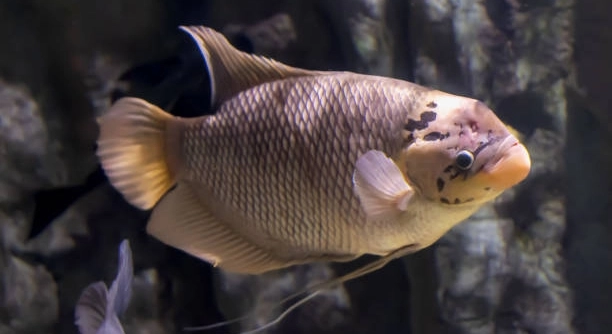
Is your gourami acting skittish, aggressive, or hiding more than usual? Small environmental issues could be affecting their behavior in subtle ways.
Improving gourami behavior often starts with adjusting their surroundings. Factors like tank size, water flow, temperature, lighting, and hiding spots can significantly influence stress levels and social dynamics. Making targeted changes helps create a calmer, more natural habitat.
These small changes can make a noticeable difference in how your gourami swim, interact, and thrive in their aquatic space.
Adjust the Tank Size and Layout
A cramped tank can cause stress in gouramis, leading to erratic swimming, aggression, or hiding. These fish appreciate horizontal swimming space, so a tank that’s too small or overcrowded can quickly disrupt their natural behavior. A minimum of 20 gallons is ideal for dwarf gouramis, but larger varieties need even more. Keep decorations and plants organized to avoid blocking swim paths. Include floating plants or driftwood to mimic their natural habitat while still leaving enough open space for movement. Creating distinct zones within the tank can also reduce territorial tension between multiple gouramis and other tank mates.
A tank that gives them room to explore, hide, and interact can make a big difference in how active and calm your gouramis become.
Watch how they swim and settle once the layout gives them better access to both shelter and open water. Small layout tweaks often bring noticeable behavioral shifts.
Keep Water Flow Gentle
Strong water flow can make gouramis nervous or exhausted. These fish naturally live in calm, slow-moving waters.
Use sponge filters or adjustable flow settings to keep the current soft. Gouramis often rest near the surface, and heavy movement disrupts their ability to stay still or reach air. When the water is too forceful, they may hide or avoid feeding zones. A filter placed strategically away from open swimming areas will allow calmer zones to form. Floating plants can also help break surface agitation, giving them a better sense of comfort. If you see them struggling against the flow or lingering in corners, it’s often a sign the water movement is too strong. Monitor their behavior closely after adjusting the filter. You’ll notice they start swimming more freely and become more visible during feeding times. A calm, steady flow goes a long way toward building a stress-free environment for your gouramis.
Maintain Stable Water Temperature
Gouramis are sensitive to temperature changes and prefer consistent warmth between 75°F and 82°F. Sudden fluctuations can cause stress, leading to erratic behavior or illness.
Using a reliable heater with a thermostat helps keep the temperature steady. Check the water daily to catch any shifts early. Avoid placing the tank near windows or vents where drafts or sunlight might cause rapid changes. A stable environment supports healthy metabolism and reduces aggression or hiding.
When the temperature remains steady, gouramis feel secure and show more natural, relaxed behavior. Consistency is key to keeping your fish calm and active.
Provide Adequate Hiding Spots
Gouramis need places to retreat when feeling threatened or stressed. Plants, caves, and floating foliage create safe zones that help them feel secure.
Dense planting with live or artificial plants offers shelter and mimics their natural environment. Use broad-leaf plants or floating types like water lettuce or duckweed to create shaded areas. Adding small caves or decorations with hiding spaces supports shy gouramis, especially in community tanks. Without these, fish may become overly stressed and less active. Hiding spots reduce territorial fights by giving each fish a place to claim. When gouramis have enough cover, they show more confidence, swim openly, and interact better with tank mates. This balance makes your aquarium peaceful and enjoyable to watch.
Control Lighting Intensity
Bright lighting can stress gouramis and cause them to hide more often.
Soft, diffused lighting helps create a comfortable environment, encouraging natural behavior and reducing stress.
Keep the Tank Clean
Regular water changes and substrate cleaning prevent buildup of harmful substances. Poor water quality causes stress and aggressive behavior in gouramis. Maintaining a clean tank supports their health and keeps them calm and active.
Monitor Social Interactions
Gouramis can be territorial, especially males. Watch for signs of aggression and separate if needed to avoid injury. Providing enough space and hiding spots helps reduce conflict.
FAQ
Why is my gourami acting aggressively?
Aggression in gouramis often comes from territorial disputes, overcrowding, or stress due to poor water quality or inappropriate tank setup. Male gouramis especially can become aggressive when competing for space or mates. Ensuring enough room, proper hiding places, and good water conditions can reduce aggression significantly.
How can I reduce stress in my gourami?
Stress in gouramis usually results from sudden changes in water temperature, poor water quality, strong currents, or lack of hiding spots. Keep the tank environment stable by maintaining proper temperature, performing regular water changes, and providing plants and decorations for shelter. Soft lighting and gentle water flow also help create a calm habitat.
What is the ideal tank size for gouramis?
A minimum of 20 gallons is recommended for dwarf gouramis, while larger species may need 30 gallons or more. Bigger tanks reduce territorial conflicts and provide enough swimming space, helping gouramis stay active and less aggressive.
How often should I change the water in my gourami tank?
Changing 20-25% of the water weekly keeps the environment clean and reduces toxins. Regular partial water changes prevent ammonia and nitrate buildup, which can stress gouramis and lead to health issues.
Can gouramis live with other fish?
Yes, gouramis can live peacefully with other calm species if the tank is large enough and there are plenty of hiding spots. Avoid keeping them with fin-nipping or overly aggressive fish. Proper social balance reduces stress and improves behavior.
What kind of plants work best for gourami tanks?
Floating plants like duckweed, water lettuce, and broad-leaf plants provide shade and hiding spots, which gouramis appreciate. Live plants improve water quality and mimic their natural habitat, promoting healthier behavior.
How do I know if my gourami is stressed?
Signs of stress include hiding constantly, rapid breathing, loss of appetite, faded colors, and erratic swimming. If you notice these behaviors, check water conditions and tank setup immediately to correct any issues.
Should I adjust the lighting in my gourami tank?
Yes. Bright, harsh lighting can stress gouramis. Use dim or diffused light to create a comfortable environment, helping your fish feel safe and behave naturally.
What water temperature is best for gouramis?
Keep the water temperature between 75°F and 82°F. Stable temperatures within this range support healthy metabolism and calm behavior.
How do I prevent gouramis from bullying each other?
Provide enough space and hiding spots to reduce competition. Separating aggressive individuals and monitoring social dynamics helps maintain peace in the tank.
Final Thoughts
Creating a comfortable environment for your gouramis is key to encouraging healthy, natural behavior. Small changes in tank size, water flow, temperature, and lighting can have a big impact on how your fish act. Gouramis need enough space to swim freely and areas to hide when they feel stressed or threatened. Keeping these factors in balance helps reduce aggression and anxiety, leading to calmer, more active fish that enjoy their surroundings. Paying attention to these details supports their overall well-being and makes your aquarium a better place for them.
Maintaining clean water and stable conditions is just as important as the physical layout of the tank. Regular water changes and proper filtration prevent harmful substances from building up, which can cause stress or illness in gouramis. A steady temperature within their preferred range ensures their metabolism stays healthy and their immune systems function well. Even small temperature swings or dirty water can cause your gouramis to hide or act aggressively. These fish thrive best when their environment is predictable and well cared for, so keeping up with maintenance is essential for long-term success.
Finally, understanding gouramis’ social needs helps create a peaceful community tank. Gouramis can be territorial, especially males, but providing enough room and plenty of hiding spots usually reduces conflicts. Watching how your fish interact allows you to spot problems early and make adjustments before issues escalate. Selecting compatible tank mates and managing social dynamics are important steps to keep stress levels low. When all these factors come together, your gouramis will feel safe, behave naturally, and brighten your aquarium with their peaceful presence.

Hello,
If you enjoy the content that we create, please consider saying a "Thank You!" by leaving a tip.
Every little bit helps us continue crafting quality advice that supports the health, happiness, and well-being of pets around the world, for pets of all shapes, sizes, and species.
We really appreciate the kindness and support that you show us!