
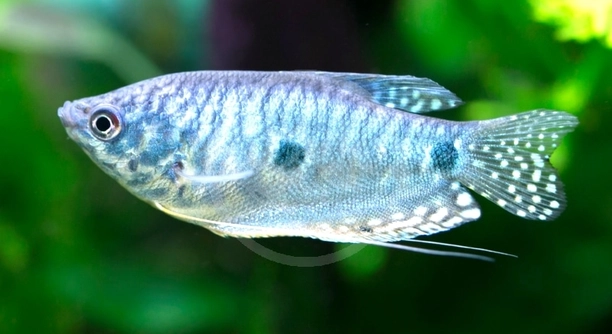
Are your gourami acting oddly or seeming less vibrant than usual around other fish in the tank? It might not be random. Tank dynamics can sometimes have a surprising effect on their overall mood and behavior.
Gourami are indeed affected by tankmate tension, especially when housed with aggressive or overly active species. This stress can lead to reduced coloration, lowered immunity, and unusual behaviors. Proper tankmate selection is essential for maintaining their well-being.
Understanding how to create a peaceful environment will help your gourami stay healthy, relaxed, and active in their shared aquarium space.
How Tankmate Tension Affects Gourami Behavior
Gourami are generally peaceful fish, but their calm nature can make them sensitive to tank dynamics. When housed with aggressive or fast-moving species, they may become withdrawn, hide more often, or stop exploring their space. Constant chasing or territorial pressure can create ongoing stress, leading to dull coloration and a lack of interest in food. Over time, this stress weakens their immune system, making them more likely to fall ill. Even subtle tension—like another fish occupying their preferred swimming zone—can shift their behavior. It’s important to watch for signs like nipped fins or sudden bursts of hiding, especially after adding new tankmates. If their daily routine or movement changes, it’s often a signal that something in their environment feels off. These behaviors aren’t always dramatic but can lead to long-term problems if ignored. Creating a stable and calm setup is essential for keeping them comfortable.
Gourami need a peaceful tank to thrive, and their tankmates can make or break that environment. Watch for stress signals early.
When building a shared tank, aim for fish that match the gourami’s mild pace. Avoid pairing them with fin-nippers, overly territorial species, or fish that swim quickly and disturb others. Slow swimmers like peaceful tetras, corydoras, and rasboras tend to be better choices. Size matters too—fish that are much larger may intimidate gourami, while those that are smaller but aggressive can still trigger stress. Pay attention to how each species behaves throughout the day. Some fish may seem calm at first but turn territorial over time. It also helps to provide enough plants and hiding spots to break up sightlines and reduce direct interaction. Feeding time can be another moment of tension—ensure your gourami get their share without competition. A peaceful tank is not just about individual temperament; it’s about how fish interact as a group. By choosing wisely, you can help your gourami stay relaxed and healthy.
Signs Your Gourami Is Stressed by Tankmates
Some signs of stress in gourami are easy to miss at first. Subtle changes in swimming, appetite, or social behavior often come before illness.
If your gourami is acting skittish or hiding more often, there’s a good chance it’s feeling tension in the tank. Watch for erratic swimming, clamped fins, or avoiding certain areas. These behaviors can be responses to feeling unsafe or overwhelmed. Stress may also cause them to eat less or isolate themselves from the group. When ignored, these symptoms can lead to more serious health problems. Instead of assuming your fish is just shy or quiet, consider if its tankmates are the cause. Monitoring your tank during feeding and active hours will help you see interactions more clearly. A healthy gourami should swim calmly, explore its space, and show interest in food. If it isn’t doing those things, it might be reacting to poor tankmate compatibility. Simple changes like moving aggressive fish or adding plants can help fix the issue.
Choosing the Right Tankmates for Gourami
Gourami do best with peaceful fish that won’t chase, nip, or overcrowd them. Fish with a calm nature and similar size help create a stress-free environment where gourami can thrive without feeling threatened or outcompeted.
Avoid pairing gourami with barbs, aggressive cichlids, or fin-nipping species like tiger barbs and serpae tetras. These fish often display dominant behavior that can leave your gourami anxious or hiding. Instead, choose tankmates like harlequin rasboras, kuhli loaches, or small, calm schooling fish. Even better, pick species that swim in different areas of the tank to reduce competition. Consider bottom dwellers like corydoras or algae eaters, which won’t interfere with the gourami’s space. Always observe new fish interactions for the first few days to catch early signs of conflict. Even peaceful species can act differently in new environments, so keep an eye out and be ready to make changes if needed.
Tank size matters just as much as temperament. Crowded tanks increase stress, no matter how peaceful the fish are. A small tank with too many species leaves gourami feeling boxed in. Stick to one or two compatible species and make sure there’s room for each to have its own space. Plants, rocks, and decorations can break up the tank and reduce direct confrontations. Each fish should be able to escape the view of others when needed. Also, avoid overstocking. More fish equals more waste, which affects water quality—and poor water adds to the stress. Clean, calm, and roomy tanks give your gourami a better chance to stay healthy and active without unnecessary tension from neighbors.
Creating a Calm Tank Environment
A calm tank helps gourami feel secure and lowers the chance of stress-based illness. Spread out plants, rocks, and ornaments to create natural barriers. These hiding spots let fish avoid conflict and rest when needed.
Use live plants like java fern or anubias, which don’t just provide cover but also improve water quality. Limit strong currents from filters—gourami prefer slow-moving water. Bright lighting can also cause tension, so opt for a moderate light level or add floating plants to soften it. Keep water temperature steady around 75–80°F and maintain regular cleaning routines. A clean tank with good water conditions keeps your gourami in better shape physically and mentally. Feeding should be calm and evenly spaced—avoid crowding at the surface by offering food in different areas. If your tank still feels tense, try rearranging decorations or adjusting lighting to reset behaviors and give your gourami a fresh sense of territory.
Signs of Stress in Gourami
Gourami often show stress by hiding more than usual or staying in one spot for long periods. They may also lose their bright coloring, which is a clear sign something in the tank isn’t right for them.
Erratic swimming, darting, or refusing to eat can also point to stress. Watch for fin clamping or aggression toward other fish. These small changes in behavior are easy to miss but can become serious if not addressed early.
How Tankmate Tension Impacts Health
Tension between tankmates can weaken a gourami’s immune system, making them more prone to illnesses like ich or fin rot. Constant stress raises their cortisol levels, which affects digestion, energy levels, and overall behavior. Over time, this stress can even shorten their lifespan. If they’re always on edge due to nipping or chasing, they may stop eating altogether or stay hidden for most of the day. They also become more vulnerable to injuries, which can get infected if water quality drops. These health effects often build gradually, so regular observation is key. Early changes in color, movement, or appetite shouldn’t be ignored.
When to Remove a Tankmate
If one fish constantly chases, nips, or causes the gourami to hide or stop eating, it’s time to remove that tankmate. Waiting too long can lead to permanent stress or health issues.
FAQ
Can gourami live with aggressive fish?
No, gourami should not be kept with aggressive fish. They are peaceful by nature and easily stressed by bullying or dominant behavior. Aggressive tankmates often chase, nip, or outcompete gourami for food, which causes long-term stress. This can weaken their immune system, lower their energy, and make them more prone to illness. Instead of thriving, they may spend most of their time hiding or trying to avoid contact. It’s always better to choose calm tankmates that match the gourami’s easygoing temperament and respect their space.
Why is my gourami hiding all the time?
Constant hiding usually signals that something is wrong. Tankmate tension is one of the most common reasons. If another fish is chasing, nipping, or hovering too closely, the gourami may retreat and stay hidden. Poor water quality, too much light, or loud surroundings can also stress them out. While it’s normal for gourami to enjoy quiet corners, excessive hiding paired with loss of appetite or color changes is a concern. Check the tank setup, lighting, and behavior of other fish. Adjustments to the environment or tankmates can often bring them back out.
What fish make the best tankmates for gourami?
The best tankmates are peaceful, similar in size, and not overly active. Good examples include corydoras catfish, harlequin rasboras, neon tetras, otocinclus, and kuhli loaches. These fish don’t compete for the same space and won’t bother the gourami’s long fins. Avoid pairing gourami with fast or nippy fish like tiger barbs or large, territorial cichlids. Also, avoid adding too many surface dwellers. Gourami often swim near the top, and they appreciate having that space to themselves. A well-balanced group helps keep the tank calm and healthy for everyone.
Can tank size affect how gourami interact with tankmates?
Yes, tank size plays a big role in fish behavior. A small tank makes even peaceful fish more territorial. When space is limited, it’s harder for gourami to escape pressure from other fish. Crowded tanks lead to stress, fighting, and health problems. A minimum of 20 gallons is recommended for dwarf gourami, and larger species need even more space. Adding plants, rocks, and decorations helps break up sightlines and create a more peaceful environment. The more space each fish has to call its own, the less likely they are to clash.
What are the signs of bullying in a community tank?
Bullying is often subtle at first. You might see one fish constantly chasing another or blocking it from getting food. The bullied fish may clamp its fins, lose color, or avoid open areas. Sometimes it hides for long stretches or stops eating. In severe cases, you may notice ripped fins or injuries. Watch for one fish always hovering near or targeting the same tankmate. Even if it doesn’t look aggressive, repeated contact can cause stress. Separating the aggressive fish is often the safest solution before things get worse.
Can stress from tankmates cause disease in gourami?
Yes, prolonged stress can weaken a gourami’s immune system, making them more vulnerable to disease. Stress leads to elevated cortisol levels, which interfere with digestion, healing, and energy levels. Conditions like fin rot, ich, and bacterial infections are more common in stressed fish. If your gourami is showing signs of illness and water quality is stable, it’s worth looking at tankmate behavior. Removing a problem fish or creating more hiding spots can help reduce stress and allow the gourami to recover more easily.
Is it better to keep gourami in pairs or alone?
That depends on the species. Some gourami do well in pairs or small groups, while others prefer being alone. For example, dwarf gourami are usually fine in pairs, especially one male and one female. Male-male pairs may fight. Larger species like pearl or three-spot gourami can get territorial with each other, so more space and careful planning are needed. If your gourami shows signs of stress or aggression when paired, it might be more comfortable on its own. Always watch their behavior and adjust as needed.
How can I reduce tension between tankmates?
Start by checking if your tank is large enough for the number of fish. Add plants, driftwood, or rocks to break up open space and give each fish a place to rest or hide. Feed them in separate areas to avoid competition. Try rearranging decorations when adding new fish—this resets territories. Choose tankmates wisely based on size, temperament, and swimming levels. If tension continues, removing the problem fish is often the simplest and most effective fix. It’s better to act early than wait for stress to harm your gourami.
Final Thoughts
Gourami can make calm, colorful additions to many freshwater tanks, but their peaceful nature means they don’t do well with aggressive tankmates. When placed with fish that chase, nip, or compete for food, gourami can become stressed and unhealthy over time. Even if they aren’t physically harmed, being forced to hide or constantly move away from other fish causes emotional and physical strain. They do best when surrounded by other calm fish that won’t invade their space. It’s also important to give them a tank with enough room, hiding spots, and a setup that makes them feel secure.
Tankmates should be chosen with care. Ideal companions are peaceful, not too active, and similar in size. Some good examples include corydoras, tetras, and rasboras. These fish mostly keep to themselves and don’t challenge gourami. It’s helpful to avoid fast swimmers or territorial species, especially those known for fin-nipping or guarding areas of the tank. Adding too many surface-dwelling fish can also cause stress since gourami often stay near the top. A well-balanced tank with space and structure makes it easier for all the fish to live together without problems.
Stress from poor tankmate matches can lead to many issues, including hiding, loss of color, and illness. While it’s natural for fish to have a pecking order, constant pressure or bullying should not be ignored. Watching for early signs of tension can help you make changes before it gets worse. Sometimes this means removing a problem fish or creating more hiding areas with plants or decorations. Other times, a larger tank or different group of fish may be needed. The goal is to keep the tank calm, stable, and comfortable. With the right tankmates and care, gourami can show their full personality and thrive in a healthy, peaceful environment.

Hello,
If you enjoy the content that we create, please consider saying a "Thank You!" by leaving a tip.
Every little bit helps us continue crafting quality advice that supports the health, happiness, and well-being of pets around the world, for pets of all shapes, sizes, and species.
We really appreciate the kindness and support that you show us!