
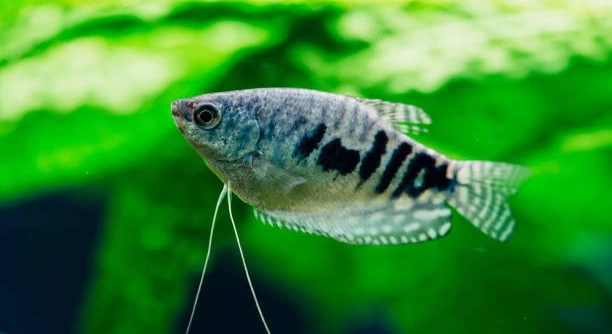
Do your gouramis seem stressed or inactive, even when everything else in the tank looks just right?
The best water parameters for calm gouramis include a pH level of 6.0 to 7.5, temperature between 74–82°F, low ammonia, moderate hardness, and stable nitrate levels. These conditions support their natural behavior and health.
Maintaining these settings can help your gouramis thrive peacefully and reduce unwanted stress or aggression in your tank.
pH Levels Between 6.0 and 7.5
Gouramis prefer a slightly acidic to neutral pH. In the wild, they live in slow-moving waters with a pH that naturally falls within this range. Keeping the pH between 6.0 and 7.5 helps them feel safe and comfortable. If the pH moves too far outside of this, they may become stressed or sick. Regularly checking your aquarium’s pH with a reliable test kit is important. If adjustments are needed, use natural methods like almond leaves or small water changes. Avoid rapid changes, as this can be harmful. A stable pH helps maintain good bacterial balance, which also supports your gourami’s health. Using water conditioners or buffering agents can help if your tap water doesn’t meet the range. Test your source water before making any decisions, and adjust slowly. Your goal is to mimic the natural conditions as closely as possible without introducing swings that upset their environment.
Check your tank once a week to make sure the pH is still in range.
A balanced pH not only keeps the gouramis calm but also supports the good bacteria that keep the aquarium clean and livable. It’s a small habit that makes a big difference.
Keep the Water Temperature Between 74°F and 82°F
Temperature plays a big role in how your gourami behaves.
Gouramis are tropical fish, and they rely heavily on warm, steady water to stay calm and active. A temperature between 74°F and 82°F supports healthy metabolism, encourages natural behavior, and reduces the risk of illness. When water is too cold, they may become sluggish and stressed. If it’s too hot, oxygen levels drop, which can make it harder for them to breathe. A good aquarium heater with a thermostat will help you maintain the right range. Avoid placing the tank near windows or vents, as this can cause sudden changes in temperature. Use a thermometer to monitor the water daily, especially if you live in an area with changing seasons. Temperature swings—even small ones—can upset their immune system and affect their appetite. Keep your tank covered to retain heat and prevent evaporation. This consistent environment gives them the best chance to stay calm and thrive.
Ammonia Levels Should Always Be at 0 ppm
Even small amounts of ammonia in the tank can stress out your gouramis. It burns their gills, damages tissue, and weakens their immune system. That’s why testing for ammonia regularly is one of the most important parts of keeping them calm and healthy.
Ammonia usually builds up from uneaten food, fish waste, and decaying plants. A fully cycled tank with a good filtration system should break it down before it harms your fish. You can use liquid test kits or test strips to check levels weekly. If you see any reading above 0 ppm, act quickly. A partial water change (about 25%) and adding beneficial bacteria can help lower it. Avoid overfeeding, and make sure the filter media is cleaned gently in old tank water to preserve the good bacteria. A healthy tank will keep ammonia at zero without much effort, as long as it’s not overcrowded.
Ammonia spikes also happen during new tank setups or after big cleanings. If your tank is still cycling, be extra cautious and test more often. During this time, it helps to feed lightly and only keep a few hardy fish. Your gouramis are more sensitive, so wait until the tank is stable before adding them. This small bit of patience will pay off later.
Keep Nitrate Below 40 ppm
Nitrates are less toxic than ammonia or nitrite, but high levels can still cause stress in gouramis. Anything over 40 ppm can lead to poor health, less activity, or even damage their organs over time.
Nitrates build up slowly, even in a well-cycled tank. They’re the final product of the nitrogen cycle, so they don’t go away unless you remove them. The most effective way to keep nitrate levels low is through regular water changes—usually about 25% per week works well. You can also reduce waste by not overfeeding and by keeping the substrate clean. Live plants help, too, since they naturally absorb some nitrate as they grow. Test your water weekly with a nitrate test kit to catch issues early. If your tap water already has high nitrate, consider using filtered or treated water during changes. Keep the tank lightly stocked, and clean your filter regularly (but gently) to keep everything balanced.
Moderate Water Hardness Between 4–10 dGH
Gouramis do well in water that isn’t too hard or too soft. A general hardness (dGH) between 4 and 10 keeps them calm and helps with healthy bodily functions, including their ability to regulate minerals.
If the water is too soft, they may have trouble maintaining balance. If it’s too hard, it could lead to stress and trouble absorbing nutrients. Test kits can help you monitor hardness. You can adjust levels with crushed coral, driftwood, or special additives made for aquariums.
Low Flow and Gentle Filtration
Gouramis are used to slow-moving waters, so a strong filter current can make them uncomfortable. Use sponge filters or adjustable flow filters to reduce movement in the tank. Position decorations or plants to break up the current and give them calm areas to rest.
Stable Water Parameters
Gouramis react poorly to sudden changes. Try to keep temperature, pH, and other levels steady from day to day. Use the same water source each time you do a water change. Always match the temperature of new water to avoid shock. A consistent routine is one of the easiest ways to keep them stress-free.
FAQ
What is the ideal pH for calm gouramis?
The ideal pH for calm gouramis is between 6.0 and 7.5. Staying within this range mimics their natural habitat and reduces stress. It’s important to keep pH stable since sudden shifts can upset their health. Regular testing helps you maintain this balance.
How often should I test water parameters for gouramis?
Testing weekly is usually enough for a stable tank. However, if the tank is new or if you notice any signs of stress, test more frequently. Keeping an eye on ammonia, nitrite, nitrate, and pH helps catch problems before they affect your fish.
Why is ammonia dangerous for gouramis?
Ammonia is toxic because it damages their gills and tissues, making it hard for them to breathe. Even low levels can cause stress and illness. A well-maintained filter and regular water changes keep ammonia at zero, which is safe for gouramis.
Can gouramis live in hard water?
Gouramis prefer moderate water hardness, between 4 and 10 dGH. Water that is too hard can cause stress and interfere with nutrient absorption. You can adjust hardness using natural elements like driftwood or aquarium additives to keep it in the right range.
What temperature keeps gouramis calm?
Temperatures between 74°F and 82°F are best for gouramis. This range supports their metabolism and immune system. Avoid sudden temperature changes by using a heater with a thermostat and keeping the tank away from drafts or direct sunlight.
How much nitrate is too much for gouramis?
Nitrate levels above 40 ppm can cause stress and health issues. Regular water changes and good tank maintenance help keep nitrate below this level. Live plants can also help absorb nitrates naturally.
Why do gouramis get stressed in high flow tanks?
Gouramis come from slow-moving waters, so strong currents make them uncomfortable. High flow forces them to swim constantly, which tires them out and raises stress levels. Using a gentle filter and adding plants or decorations to slow water movement can help.
How can I stabilize water parameters in my aquarium?
Use the same water source for water changes, match the temperature of new water to the tank, and avoid adding chemicals that cause sudden shifts. Keeping a routine for feeding, cleaning, and testing reduces surprises and keeps your gouramis calm.
Is it necessary to cycle the tank before adding gouramis?
Yes, cycling the tank creates beneficial bacteria that break down ammonia and nitrite. Without cycling, these toxins build up quickly and harm your fish. Wait until ammonia and nitrite levels are zero before adding gouramis to ensure a safe environment.
What signs show that water parameters might be off?
Gouramis may become lethargic, lose appetite, or show rapid gill movement. Other signs include clamped fins, hiding constantly, or unusual swimming patterns. If you see these, test the water immediately and adjust as needed to bring conditions back to safe levels.
Can overfeeding affect water parameters?
Yes, overfeeding leads to leftover food that decays and raises ammonia and nitrate levels. Feeding small amounts that your gouramis finish quickly helps maintain clean water and reduces the risk of toxic buildup.
How do live plants help maintain water quality?
Live plants absorb nitrates and some other waste products. They also produce oxygen, improving water quality and providing hiding spots that reduce stress. Adding plants suited for tropical tanks supports a healthier environment for gouramis.
What should I do if my water parameters fluctuate a lot?
Identify the cause, which could be inconsistent water changes, overfeeding, or poor filtration. Test water frequently and make small adjustments gradually. If fluctuations continue, check your equipment and water source for problems, and consider consulting a local aquarium expert.
Is tap water safe for gouramis?
Tap water can be safe if treated properly to remove chlorine, chloramine, and heavy metals. Use water conditioners made for aquariums before adding tap water. Testing your water regularly ensures it stays within safe parameters for gouramis.
How do I reduce stress for gouramis during water changes?
Match the new water temperature closely to the tank’s water. Change only about 20-25% at a time to avoid sudden shifts. Move slowly and gently when cleaning or adding water to prevent startling the fish. This helps keep them calm and healthy.
Keeping your gouramis calm and healthy depends a lot on maintaining the right water parameters. These small fish thrive best when their environment is stable and close to their natural conditions. Paying attention to factors like pH, temperature, hardness, and cleanliness can make a big difference in how they behave and feel. When you provide steady care, your gouramis will show it by being more active, colorful, and less stressed. Remember, these fish are sensitive to changes, so gradual adjustments and regular monitoring are key. Consistency helps build a peaceful tank where gouramis can live comfortably and grow strong.
It’s important to check water quality regularly because many problems start quietly and get worse over time. Testing for ammonia, nitrite, nitrate, and pH with simple kits helps you catch issues early. Ammonia and nitrite should always be at zero, while nitrates should stay low with frequent water changes. Keeping the water temperature steady between 74°F and 82°F, and the hardness in the right range, supports their natural health. Avoiding sudden changes during water changes or tank cleaning helps prevent stress, which can weaken their immune system. Small steps every week add up to a safe and welcoming home for your gouramis.
By following these water guidelines and being consistent, you give your gouramis the best chance to thrive. They may seem small, but they need a carefully balanced environment to feel at ease. When water conditions are right, you’ll notice calmer behavior and fewer health issues. A peaceful tank is more enjoyable for both the fish and the person caring for them. Taking the time to learn about these water needs and making them part of your routine will help your gouramis live a longer, healthier life. This effort is well worth it for the happiness and beauty they bring to your aquarium.

Hello,
If you enjoy the content that we create, please consider saying a "Thank You!" by leaving a tip.
Every little bit helps us continue crafting quality advice that supports the health, happiness, and well-being of pets around the world, for pets of all shapes, sizes, and species.
We really appreciate the kindness and support that you show us!