
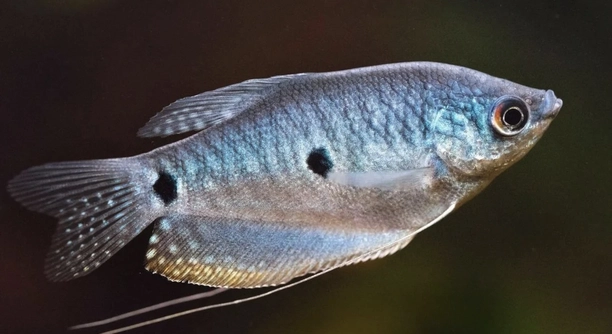
Is your gourami acting restless or hiding more than usual, making you wonder if their daily routine needs more structure?
Building a consistent routine for your gourami involves regular feeding times, a stable environment, and gentle interactions. Predictability helps reduce stress and supports their natural behaviors, which leads to better health and a more active, content fish.
Creating a simple, repeatable schedule can make everyday care easier and help your gourami feel more secure in their tank.
Creating a Reliable Feeding Schedule
Feeding your gourami at the same times each day is the backbone of a good routine. I feed mine every morning at seven and again at six in the evening, using a digital reminder to stay consistent. Regular timing helps regulate their digestion, prevents overfeeding, and lowers stress because the fish start to expect food rather than beg for it. Offer a varied diet of high-quality pellets, frozen bloodworms, and blanched vegetables on alternating days, yet keep portions small enough that nothing remains after two minutes. Remove leftovers right away to keep water clear. Consistency in food type is also key; sudden changes can upset their stomach and cause floating issues. If you introduce new items, do so slowly over a week, mixing a little with familiar foods until acceptance is clear. Simple, repeated actions teach your gourami that life in the tank follows an easy, comfortable rhythm.
An automatic feeder can help when schedules fluctuate, but never let it replace personal observation. Watch your gourami eat to confirm appetite, color, and fin posture. These small checks turn feeding time into a simple health scan that only takes a minute, doing so keeps minor issues from becoming serious.
Consistency also extends to fasting. I offer one fasting day each week, usually Sunday, to give their digestive system a short break. This routine mirrors natural feeding cycles, reduces waste, and helps maintain stable water parameters. On fasting day, I perform a partial water change and wipe the glass to remove algae. These paired actions reinforce the idea that Sunday is different yet predictable. If you notice your gourami grazing on plants more during fasting, do not worry; light foraging keeps them occupied without stressing them. Over time, the pattern will feel normal to both you and the fish alike.
Stabilizing the Tank Environment
Routine extends beyond feeding; stable water conditions anchor your gourami’s well-being. Test parameters every Saturday using a liquid kit, not strips, for accuracy. Record pH, ammonia, nitrite, and nitrate in a notebook. Quick notes reveal trends, enabling small adjustments before stress appears. Such consistency keeps the ecosystem clear, calm, balanced.
Temperature stability deserves equal care. Gouramis thrive between twenty-four and twenty-six degrees Celsius. I install two smaller heaters instead of one large unit; if one fails, the other maintains safe warmth. A digital thermostat with an alarm alerts me to deviations greater than one degree, especially helpful during winter nights. Lighting follows a simple eight-hour cycle controlled by a timer, preventing algae blooms and supporting a normal day-night rhythm. Each Wednesday I prune excess plants, vacuum lightly around decorations, and rinse the filter sponge in extracted tank water to preserve beneficial bacteria. These mid-week tasks take fifteen minutes but prevent larger weekend chores. During monthly full maintenance, I replace no more than thirty percent of the water to avoid shocking the fish. Whenever chemicals or medications are needed, I prepare them the evening before and label the measuring tools, ensuring clarity during application. By matching environmental care with feeding discipline, you create overlapping patterns that the fish learn to predict. Predictability lowers cortisol levels, leading to brighter colors, stronger fins, and more frequent bubble-nest building. A steady environment nurtures both your confidence and their calm, making daily observation a pleasure rather than a worry. Over weeks, harmony becomes visibly evident.
Encouraging Daily Exploration
Gouramis enjoy quiet exploration when the tank layout supports it. I arrange plants and decorations with open swim paths and shaded corners. Rearranging every few weeks disrupts their sense of control, so I keep the setup steady to reinforce comfort. They explore more when surroundings feel familiar.
Floating plants like water lettuce or frogbit offer gentle cover, helping your gourami feel secure while staying active. I place taller plants at the back and shorter ones near the front glass to maintain visibility without crowding. A piece of driftwood or a ceramic cave near the middle creates a central point they often return to. Avoid sharp-edged décor to protect delicate fins. During my morning checks, I watch how they interact with these items. If a hiding spot is ignored for days, I gently reposition it without moving everything else. Over time, their daily movements follow a soft pattern.
Even subtle additions like bubbles from an air stone or a slow-flow filter return can spark more movement. Gouramis prefer calm surfaces but enjoy slow currents around the mid-section of the tank. I angle the filter output slightly upward to avoid disturbing their bubble nests. I’ve noticed that when currents stay gentle, they navigate with more ease and confidence. Simple tank enrichment supports mental stimulation without stressing the fish. Keeping these elements stable across the week helps your gourami stay engaged while maintaining their sense of routine. I add or change items no more than once a month and always observe their reaction for a few days afterward.
Building Gentle Interaction Habits
Tapping or sudden movements can stress gouramis, so I always approach slowly and move around the tank with care. Interacting at the same times each day helps them feel secure, even if the interaction is brief. Consistency builds recognition and calmness.
I begin each morning by gently approaching the tank and sitting still for a minute before feeding. After several weeks of this routine, my gourami began coming to the glass when I walked over. These subtle routines shape behavior. I avoid tapping or tapping-like sounds near the tank, as they cause darting and hiding. In the evening, I sit nearby with the room light off and tank light on for a short while. This quiet presence encourages them to swim out more, even during non-feeding times. I also use the same tone when speaking near the tank—never loud. These small habits create familiarity and reduce startle reactions over time.
Using Light to Mark the Day
Lighting signals the start and end of each day for your gourami. I use a timer to turn the light on at 8 a.m. and off at 6 p.m. daily. This keeps their internal rhythm steady.
Avoid turning tank lights on suddenly in a dark room. I open the curtains before the light switches on to soften the transition. Sudden lighting can cause them to startle or hide, breaking their sense of safety.
Setting a Cleaning Routine They Can Predict
Regular cleaning that follows a pattern helps your gourami feel secure. I do light gravel vacuuming every Wednesday and a partial water change on Sundays. I use the same bucket, siphon, and process each time, so the steps stay familiar. I clean the glass on Wednesdays using a gentle algae pad, always starting from the same side of the tank. They now swim away calmly instead of panicking. I also rinse the filter sponge in tank water during the Sunday change, keeping beneficial bacteria safe. Doing these tasks at the same times each week makes the process less stressful for them and easier for me to manage.
Keeping Noise Levels Consistent
Loud or unexpected sounds near the tank can upset your gourami. I keep their tank in a quiet room away from speakers and doors. Soft, steady background noise is easier on them than silence broken by sudden sound.
FAQ
How often should I feed my gourami to help build routine?
Feed your gourami once or twice a day at consistent times. I feed mine around 8:30 a.m. and again at 5:00 p.m. Keeping these times steady helps them anticipate feeding and become more active during those windows. I use floating pellets in the morning and frozen or live food in the evening for variety. They begin waiting near the top just before feeding time, which is a sign they recognize the schedule. Overfeeding can lead to water quality issues, so I stick to small amounts that they finish within two minutes.
What should I do if my gourami becomes less active after a schedule change?
Changes in routine can cause stress or confusion. When I adjusted my light timer by just 30 minutes, my gourami hid more and showed less interest in food for a couple of days. If this happens, I recommend returning to the old schedule if possible. If the change is permanent, give them time to adjust by keeping all other parts of the routine stable—feeding, cleaning, and interaction. Avoid making multiple changes at once. Their activity often returns once they feel secure again. Watch for signs like color fading or gasping, which could suggest deeper issues beyond schedule adjustment.
Can I skip a day of feeding without affecting their routine?
Yes, skipping a day occasionally is fine. I fast my gourami once a week—usually Fridays—to support digestion. The key is consistency. They still recognize the schedule because everything else remains the same. If I feed them every day for weeks and then skip one without warning, they get confused and search the surface for food. But when I fast regularly on the same day, they stop expecting food. Skipping feeding more than two days in a row can disrupt their routine, so I don’t recommend long gaps unless necessary.
Do lights really matter that much for gouramis?
Yes, lights play a big role in helping gouramis recognize day and night. Mine begin waking up and swimming near the surface when the tank light comes on. Without a set lighting schedule, they seem less active and don’t show consistent feeding patterns. A timer is the easiest way to manage this. I use a 10-hour cycle, but even 8 to 12 hours is fine. Just make sure it’s consistent. Sudden light changes can make them dart or hide, so I also use natural room light before and after the tank light turns on or off.
Should I talk near my gourami’s tank as part of the routine?
Soft, quiet talking near the tank can help build recognition and calm behavior. I speak gently when approaching the tank, especially during feeding or cleaning. Over time, my gourami associates my voice with food and safety. Loud sounds or high-pitched voices can startle them, so I keep my tone steady and calm. I also avoid placing the tank in a room with frequent yelling or music. Daily interaction—even just a few minutes of still presence—can reinforce trust and make them more willing to come out in the open.
How can I tell if the routine is working?
Signs that the routine is helping include consistent feeding behavior, less hiding, steady activity levels, and bubble nest building in males. My gourami shows up near the front of the tank before feeding, stays out longer during the day, and builds nests regularly. If they dart, hide, or lose interest in food, I review my schedule to check for missed feedings, lighting changes, or noisy disturbances. Stability is key, and I’ve found that even simple routines have a clear impact within one to two weeks.
Final Thoughts
Building a routine for your gourami does not need to be complicated. A steady schedule helps your fish feel safe, stay active, and eat properly. Feeding at the same time each day, using consistent lighting, and following a predictable cleaning schedule are simple steps that make a big difference. Even basic habits like turning the light on in the morning and off at night can help your gourami settle into a healthy rhythm. When things stay the same day after day, your gourami learns what to expect. This reduces stress and supports better overall health.
It’s also helpful to observe how your gourami responds to each part of the routine. If they become more social during feeding or stop hiding as much during cleaning, those are signs the structure is working. On the other hand, if you see them staying at the bottom, avoiding food, or acting nervous, it may mean something in the schedule has changed too much or too quickly. Small adjustments can be made without disrupting everything. Just be sure to avoid changing too many things at once. Keeping one part steady while you adjust another can help your fish adapt more easily.
Maintaining a routine also makes your own care tasks easier. You won’t have to guess when to clean the tank or remember when you last changed the filter sponge. The more consistent you are, the more your gourami will trust the environment they live in. Over time, you may notice they start to interact more, explore the tank confidently, and respond to your presence with curiosity instead of fear. A reliable schedule is one of the best ways to support their well-being. Whether you’re new to fish care or have kept gouramis before, focusing on routine offers a clear and simple way to give them the stability they need.

Hello,
If you enjoy the content that we create, please consider saying a "Thank You!" by leaving a tip.
Every little bit helps us continue crafting quality advice that supports the health, happiness, and well-being of pets around the world, for pets of all shapes, sizes, and species.
We really appreciate the kindness and support that you show us!