
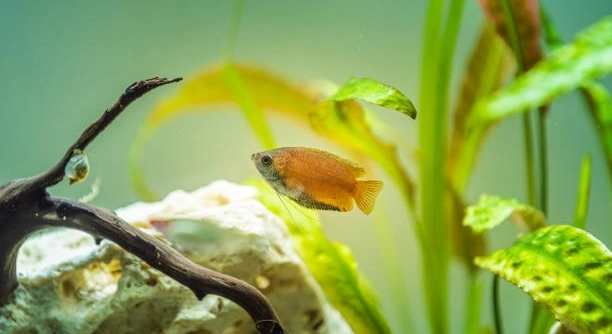
Gourami fish are known for their unique bubble nests, which play a crucial role in breeding. Sometimes, these fish seem to avoid air bubbles, puzzling owners who expect typical bubble-building behavior. Understanding this change is important for aquarium care.
Gourami avoid air bubbles primarily due to stress, poor water quality, or unsuitable tank conditions. These factors disrupt their natural nesting instincts and can indicate environmental or health issues requiring attention for proper care.
Recognizing why gourami avoid bubbles helps improve their environment and well-being, making it easier to maintain a healthy aquarium. This article will explain the main causes and solutions for this behavior.
Stress and Its Impact on Gourami Behavior
Stress is a common reason gourami avoid air bubbles. Changes in their environment, such as sudden loud noises, new tank mates, or improper handling, can cause significant stress. When stressed, gourami often stop building bubble nests because their energy focuses on survival rather than reproduction. Poor water parameters also increase stress levels. High ammonia, nitrite, or nitrate levels can make the fish uncomfortable and inhibit normal behavior. Even fluctuations in temperature can affect their mood and activity. It is important to observe your gourami carefully for signs of stress, including erratic swimming or hiding. Addressing stress promptly helps restore their natural nesting habits. Keeping the tank quiet, stable, and clean reduces stress and promotes bubble nest building.
Stress affects gourami’s reproductive behavior by suppressing nesting instincts, leading to a decline in bubble creation. Stable conditions encourage their natural behaviors.
Ensuring a calm environment is vital. Avoid overcrowding and sudden disturbances. Regularly test water quality and maintain stable temperatures. This creates a comfortable habitat where gourami feel safe to build nests. Bubble nests are also linked to breeding readiness, so stressed fish may postpone this process until conditions improve. Observing their behavior daily provides clues about their well-being. When stress is minimized, gourami typically resume normal activity, including air bubble building. This is a sign of a healthy, balanced aquarium where fish thrive. Paying attention to these factors helps prevent stress and supports natural behavior in your gourami.
Water Quality and Tank Conditions
Poor water quality is a key factor behind gourami avoiding air bubbles. Dirty water or improper pH levels can discourage bubble nest building.
Water quality directly affects gourami health and behavior. Dirty or chemically imbalanced water creates an unsuitable environment that can suppress breeding instincts. Maintaining clean, well-filtered water with appropriate pH and temperature is essential. Regular water changes help keep ammonia and nitrate levels low. Gourami prefer slightly acidic to neutral pH, usually between 6.0 and 7.5. Extreme pH values or sudden changes stress the fish and halt bubble nest creation. Additionally, tanks that lack appropriate plants or hiding places can cause discomfort, reducing their nesting activity. Providing a stable, natural habitat encourages gourami to engage in normal behaviors like bubble building. The size of the tank also matters; cramped spaces limit their movement and reduce nesting. Overall, clean, stable, and well-planted tanks promote healthy gourami behavior.
Ensuring optimal water conditions supports gourami’s natural instincts. Regular testing and maintenance help maintain stability. A suitable tank with plants and space encourages breeding behavior and bubble nest formation. Monitoring water parameters closely is essential for keeping gourami healthy and active. Consistency in tank care allows these fish to feel secure, improving their overall behavior. Proper tank setup is the foundation for successful bubble nest building and general well-being.
Temperature Fluctuations
Sudden changes in temperature can disrupt gourami behavior, causing them to avoid building air bubbles. Stable temperatures are necessary for their comfort and breeding readiness.
Gourami thrive in warm, stable water, usually between 75°F and 82°F. Rapid shifts outside this range cause stress and reduce bubble nest building. Temperature fluctuations affect their metabolism and breeding hormones. If the water becomes too cold, gourami may become lethargic, while overly warm water can increase aggression or stress. These changes make bubble nests less likely, as reproduction is postponed until conditions improve. Using a reliable heater and thermometer helps maintain consistent temperatures and prevent fluctuations that disturb their natural behavior.
Providing a controlled temperature environment encourages gourami to resume normal bubble nest building. Gradual temperature adjustments during maintenance or seasonal changes minimize stress. Monitoring daily allows quick response to any sudden shifts. Stable heat is crucial for healthy fish behavior and reproduction.
Tank Setup and Environment
The physical setup of the tank impacts gourami’s willingness to build bubble nests. Lack of shelter or plants can cause discomfort and avoidance of air bubbles.
A well-planted tank with floating plants provides shelter and calm areas, which gourami prefer when nesting. Open, bare tanks leave gourami feeling exposed and less likely to engage in bubble-building activities. Plants also help stabilize water quality and offer surfaces for bubble nests to attach. Decorations that create hiding spots reduce stress by giving the fish places to retreat. Tank size matters as well; small tanks limit swimming space and natural behavior. A minimum of 20 gallons is recommended for gourami to have enough room to thrive and display normal activities, including nesting.
Optimizing the tank environment by adding live plants and ensuring enough space supports bubble nest creation. The right setup mimics their natural habitat, promoting comfort and reducing stress. Adjustments to tank layout can quickly improve their behavior and encourage breeding activity.
Breeding Cycle and Hormones
Gourami build bubble nests mainly during their breeding cycle when hormones trigger this behavior. Outside of this period, bubble building is less frequent or absent.
Hormonal changes depend on environmental cues like water temperature, light duration, and tank conditions. Without the right signals, gourami may not show nesting behavior.
Tank Mates and Social Stress
Aggressive or overly active tank mates can stress gourami, causing them to avoid bubble nests. Peaceful companions promote a calm environment that supports nesting behavior.
Feeding and Nutrition
Proper nutrition is essential for gourami’s health and reproductive readiness. A balanced diet rich in protein supports breeding behavior and energy for bubble nest building.
Why are my gourami not building bubble nests?
Gourami stop building bubble nests mainly due to stress, poor water quality, or unsuitable tank conditions. Changes in temperature, aggressive tank mates, or lack of proper nutrition also affect their behavior. Without stable, comfortable surroundings and the right environmental cues, gourami will postpone nesting.
How can I reduce stress in my gourami?
Maintaining stable water parameters, avoiding sudden loud noises, and providing hiding places reduce stress. Limit tank disturbances and ensure compatible tank mates. Regular water testing and gentle handling create a calm environment where gourami feel secure and display natural behaviors like bubble nesting.
What water parameters are ideal for gourami bubble nesting?
Gourami prefer slightly acidic to neutral water, with pH between 6.0 and 7.5. Temperature should stay consistent between 75°F and 82°F. Ammonia, nitrite, and nitrate levels must be kept low through regular water changes and proper filtration. Clean, stable water supports breeding behaviors.
Can tank size affect bubble nest building?
Yes. A tank smaller than 20 gallons can limit gourami’s movement and nesting behavior. Providing enough space allows gourami to swim freely and feel secure. Larger tanks with plants and decorations simulate a natural habitat, encouraging bubble nest formation.
Do all gourami build bubble nests?
Most male gourami species build bubble nests during breeding, but behavior varies. Some gourami, especially females or non-breeding individuals, rarely create nests. Observing specific species traits and breeding cycles helps set realistic expectations.
What role do tank plants play in bubble nesting?
Floating and leafy plants provide shelter and surfaces for bubble nests. They reduce stress by offering hiding spots and help stabilize water quality. A planted tank mimics gourami’s natural habitat, encouraging natural behaviors like bubble nest building.
How does diet influence bubble nest behavior?
A diet rich in protein supports energy needs and reproductive hormones. Feeding high-quality flakes, pellets, or live foods like brine shrimp helps prepare gourami for breeding. Poor nutrition weakens their condition, reducing the likelihood of nest building.
Why do temperature fluctuations stop bubble nests?
Sudden temperature changes disrupt gourami’s metabolism and breeding hormones. Consistent temperatures between 75°F and 82°F keep gourami comfortable. Fluctuations cause stress and delay nesting until conditions stabilize.
Can other fish interfere with gourami’s bubble nests?
Aggressive or overly active fish can stress gourami, causing them to avoid nest building. Tank mates that disturb or eat the bubbles also prevent nests from forming. Choosing peaceful companions ensures a calm environment conducive to nesting.
What signs show a gourami is ready to build a bubble nest?
Males may display increased activity near the water surface, gathering air bubbles and plant debris. They often become more territorial and build nests carefully. These behaviors indicate breeding readiness and a good environment for nesting.
Final Thoughts
Gourami avoiding air bubbles is often a sign that their environment or conditions are not ideal for breeding behavior. Several factors contribute to this, including water quality, temperature stability, tank setup, and stress levels. Ensuring a well-maintained tank with consistent water parameters and enough space can help gourami feel comfortable and secure. Proper care encourages them to engage in natural behaviors, such as building bubble nests, which are important for reproduction and overall health. Regular monitoring and attention to their needs make a significant difference in supporting their well-being.
The behavior of gourami is closely linked to their breeding cycle and hormone levels. They tend to build bubble nests only when they are ready to breed and when the environmental conditions signal safety and stability. Outside of this period, they may show little interest in bubble-building, which is normal. Providing a balanced diet rich in protein and avoiding stressful tank mates helps support their health and breeding readiness. It is important to recognize that bubble nest building is one of many signs of gourami’s comfort, and its absence does not always indicate a serious problem but rather an adjustment to their current surroundings.
Taking care of gourami requires patience and attention to detail. Making changes gradually and observing their reactions can improve their behavior over time. Simple steps like adding plants, maintaining a stable temperature, and choosing peaceful tank mates create a favorable environment for bubble nest building. While it may take some time for gourami to begin making nests again, consistent care fosters a healthier and more natural living space. Understanding these needs allows you to support your fish effectively and enjoy their unique behaviors.

Hello,
If you enjoy the content that we create, please consider saying a "Thank You!" by leaving a tip.
Every little bit helps us continue crafting quality advice that supports the health, happiness, and well-being of pets around the world, for pets of all shapes, sizes, and species.
We really appreciate the kindness and support that you show us!