
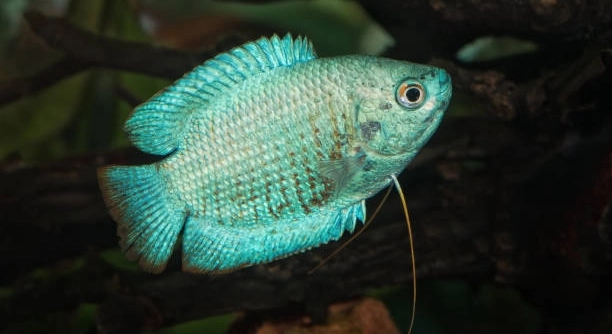
Adding a new gourami to your aquarium can be a rewarding experience if done carefully. Proper preparation and understanding of their needs help ensure a smooth transition. Safety is important for both the new fish and the existing tank inhabitants.
The safest way to add a new gourami involves quarantining the fish first, gradually acclimating it to the tank water, and monitoring interactions closely to prevent stress and aggression. This method supports the health and balance of the aquarium environment.
Learning these steps will help you keep your aquarium peaceful and healthy. Knowing how to introduce a gourami correctly protects all your fish and promotes a thriving tank community.
Preparing Your Aquarium for a New Gourami
Before adding a new gourami, it’s important to prepare your aquarium properly. Start by testing the water quality to ensure the parameters like pH, temperature, and ammonia levels are stable. Gouramis prefer a pH between 6.0 and 7.5 and a temperature around 75-82°F (24-28°C). Clean the tank by removing any uneaten food or waste to prevent stress on the new fish. Adding plenty of hiding spots like plants and decorations will help the gourami feel secure when it arrives.
Make sure the tank has enough space, as gouramis can be territorial. Overcrowding leads to stress and aggression, so keep the population balanced.
Preparing the aquarium well reduces the risk of illness and aggression. A stable, clean environment helps the new gourami adjust quickly and comfortably, making it easier for you to maintain a healthy, peaceful tank overall.
Quarantine and Acclimation
Quarantine your new gourami for at least two weeks to prevent diseases spreading to your main tank.
Quarantining allows you to observe the fish closely for signs of illness before introducing it to the community. Keep the quarantine tank clean and match water conditions to the main aquarium. After quarantine, slowly acclimate the gourami by gradually mixing tank water into its transport water over several hours. This helps the fish adjust to new water chemistry and temperature. Introduce the gourami during low-light times to reduce stress. Watching its behavior closely during the first days in the main tank is important, as some gouramis may show territorial behavior initially. If aggression appears, be ready to separate or rearrange tank decorations to minimize conflict. Proper quarantine and acclimation protect your tank’s health and make the addition smoother for everyone.
Introducing the Gourami to Your Main Tank
Place the gourami gently into the tank using a net to avoid adding transport water. Avoid pouring water directly from the bag, as it may carry contaminants.
Once inside the tank, keep the lights dim for the first few hours to help the fish settle without stress. Watch for signs of aggression from other fish but don’t intervene immediately unless it becomes harmful.
Provide plenty of hiding spots and plants. This allows the gourami to retreat if it feels threatened. Over time, it will grow more confident and blend into the community better. Patience during this phase is key to success.
Monitoring Behavior After Introduction
Observe the gourami’s behavior closely during the first week. Look for signs of stress such as hiding constantly or refusing to eat.
Also watch how other fish react. Some tank mates may show curiosity or mild aggression at first. It’s normal, but prolonged chasing or fin nipping is a problem. If aggression is severe, consider rearranging decorations to break sight lines or separate the gourami temporarily. Feeding the fish well can reduce aggression by keeping them occupied.
Regular monitoring helps catch problems early and ensures your new gourami settles peacefully. A calm tank benefits all your fish and keeps your aquarium healthy.
Feeding Your New Gourami
Feed your gourami small amounts two to three times daily. Use a mix of flakes, pellets, and occasional live or frozen foods.
Avoid overfeeding to prevent water quality issues. Remove uneaten food promptly to keep the tank clean and healthy.
Maintaining Water Quality
Regular water changes are essential after adding a new gourami. Change 20-30% of the water weekly to keep parameters stable. Use a water conditioner to remove chlorine and harmful chemicals before adding new water. Maintaining clean water reduces stress and helps prevent disease in your fish.
Signs of Stress
Watch for signs like faded colors, rapid breathing, or lethargy. These may indicate your gourami is stressed or unwell. Address any issues quickly by checking water quality and tank conditions. Proper care helps your fish stay healthy and happy.
FAQ
How long should I quarantine a new gourami?
Quarantine your new gourami for at least two weeks. This time allows you to observe the fish for any signs of illness or parasites before introducing it to your main tank. Quarantining helps protect the existing fish by preventing the spread of disease.
Can I add more than one gourami at the same time?
It’s best to introduce gouramis one at a time to reduce stress and aggression. Adding multiple gouramis together can increase territorial disputes, especially if your tank is small or lacks hiding spots. If you want more than one, add them slowly with enough space in the tank.
What should I feed my gourami?
Gouramis eat flakes, pellets, and live or frozen foods like brine shrimp or bloodworms. Offering a varied diet helps keep them healthy. Feed small amounts two to three times a day and remove any leftover food to maintain water quality.
How can I tell if my gourami is stressed?
Signs of stress include faded color, hiding constantly, rapid breathing, and lack of appetite. Stress can be caused by poor water quality, aggression from tank mates, or sudden changes in the environment. Regular monitoring and good care help reduce stress.
Is it normal for gouramis to be aggressive?
Some gourami species can be territorial, especially males. Mild chasing is normal but watch for prolonged aggression or fin nipping. If problems occur, rearranging tank decorations or providing extra hiding spots can reduce conflicts.
How do I acclimate a gourami to my tank?
Float the sealed bag in your tank for about 20-30 minutes to match water temperature. Then gradually add small amounts of tank water into the bag over an hour or more. This slow process helps the fish adjust to new water conditions without shock.
Can gouramis live with other fish?
Gouramis generally do well with peaceful community fish like tetras, rasboras, and corydoras. Avoid aggressive or fin-nipping species. Providing enough space and hiding spots helps keep all fish comfortable and reduces territorial disputes.
How often should I change the water?
Change 20-30% of the water weekly. Regular water changes keep ammonia and nitrate levels low, which is important for your gourami’s health. Always treat new water with a conditioner to remove chlorine or chloramine.
What is the ideal tank size for a gourami?
A single gourami needs at least 20 gallons of tank space. Larger tanks help reduce aggression and provide enough room for swimming and hiding. If you keep more than one, increase the tank size accordingly.
What are common health problems in gouramis?
Common issues include fin rot, ich, and bacterial infections. These often result from poor water quality or stress. Keeping the tank clean and quarantining new fish helps prevent illness. If your gourami shows signs of sickness, seek treatment quickly to avoid spread.
How do I introduce a new gourami to reduce stress?
Add the gourami gently using a net, avoiding pouring water from the transport bag into the tank. Keep tank lights dim and provide plenty of hiding spots. Monitor fish closely and be patient, as it may take days for the new gourami to feel comfortable.
Adding a new gourami to your aquarium can be a smooth and rewarding experience when done with care. Taking the time to prepare your tank, quarantine the fish, and acclimate it slowly helps create a peaceful environment. Following these steps reduces stress for both the new gourami and the fish already living in your aquarium. A healthy, balanced tank is the goal, and each careful action you take supports this.
It’s important to remember that patience plays a big role in the success of introducing a new gourami. The fish may act shy or hide at first, which is normal. Giving the gourami space and time to adjust helps it feel safe and settle in naturally. Watching how the fish interact in the days and weeks after introduction is key. If any problems arise, such as aggression or stress signs, addressing them quickly will protect all your fish and maintain harmony in the tank.
Maintaining good water quality, feeding appropriately, and providing enough hiding places are ongoing parts of caring for your gourami. These habits create a stable home where your fish can thrive. By keeping an eye on water parameters and the behavior of your gouramis, you can catch small problems before they become serious. With careful care and attention, your new gourami will become a healthy, happy addition to your aquarium for a long time.

Hello,
If you enjoy the content that we create, please consider saying a "Thank You!" by leaving a tip.
Every little bit helps us continue crafting quality advice that supports the health, happiness, and well-being of pets around the world, for pets of all shapes, sizes, and species.
We really appreciate the kindness and support that you show us!