
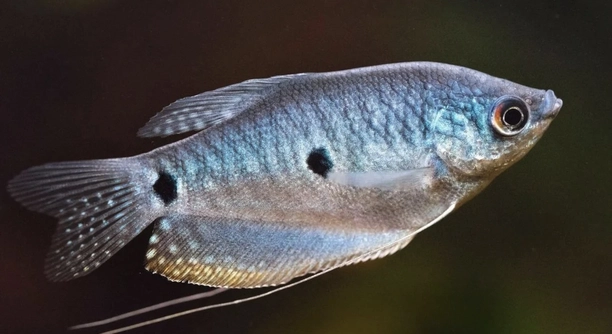
Gouramis are peaceful fish that enjoy having places to hide in their tanks. Providing extra hiding spots can help reduce their stress and create a more comfortable environment. These spaces are essential for their well-being at certain times.
Gouramis require additional hiding spots during periods of stress, illness, breeding, territorial disputes, environmental changes, tank maintenance, and when introducing new tank mates. These areas support their natural behavior and promote overall health.
Knowing when and why gouramis need extra shelter is important for maintaining a healthy aquarium. This article will explain the key moments gouramis benefit from added hiding places.
When Gouramis Feel Stressed
Gouramis often feel stressed when their environment changes suddenly or when they face too much activity in the tank. Stress can come from overcrowding, aggressive tank mates, or even loud noises near the aquarium. When stressed, gouramis may hide more or become less active. Providing extra hiding spots helps them feel secure. Plants, caves, or decorations with small spaces allow gouramis to retreat when they need a break. Stress can weaken their immune system, making them more prone to illness. It is important to watch for signs like color fading, rapid breathing, or hiding for long periods. Adjusting tank conditions and adding shelter can quickly improve their mood and health.
Creating a peaceful space with enough hiding places reduces stress and supports gouramis’ natural behavior.
Offering extra shelters in stressful situations helps gouramis stay calm and healthy in their tank environment.
During Breeding and Territorial Disputes
Breeding time is critical for gouramis. Males become territorial and aggressive while protecting their bubble nests. They need safe spaces to retreat if threatened. Females also seek hiding spots to avoid stress from persistent males. Without enough shelters, fights can cause injury. Providing dense plants and small caves helps reduce conflict by giving fish separate areas to occupy. Extra hiding spots also encourage breeding behavior because gouramis feel safer. These spaces reduce stress for both males and females, improving chances of successful spawning.
During territorial disputes, gouramis use hiding places to avoid confrontation and protect themselves.
By understanding their breeding needs and territorial nature, you can create a tank environment that supports their natural instincts. This leads to healthier interactions and a balanced aquarium. Adding various hiding spots helps manage aggression and promotes peaceful coexistence among gouramis. It is also helpful to monitor tank mates and space to prevent overcrowding during breeding periods. Careful attention to hiding places is essential for maintaining harmony and supporting gouramis through these critical times.
When Introducing New Tank Mates
Gouramis need hiding spots to feel safe when new fish enter their tank.
New tank mates can cause stress and territorial behavior. Extra shelters give gouramis a place to retreat while they adjust. Without safe spaces, aggression and stress increase, risking injury and illness.
Introducing new fish is a delicate process. Hiding spots help gouramis control their environment and reduce conflict. Providing dense plants and caves allows them to escape if threatened. This helps maintain peace and protects the health of all fish during the transition.
During Illness and Recovery
Sick gouramis benefit from quiet, secure hiding places to rest and heal. Stress from exposure or treatment can worsen their condition, so extra shelters reduce disturbance.
Illness weakens gouramis and makes them vulnerable. Hiding spots protect them from aggressive tank mates and reduce stress levels. These retreats also limit movement, conserving energy for recovery. Monitoring water quality and keeping the tank calm supports healing alongside providing shelter. Creating a calm environment with plenty of cover improves recovery chances and helps gouramis regain strength safely.
Environmental Changes
Gouramis feel unsettled when the tank environment changes quickly. Adding extra hiding spots helps them adjust.
Changes like water temperature shifts, new decorations, or moving the tank can increase stress. Safe places reduce anxiety during these times.
During Tank Maintenance
Tank maintenance can be stressful for gouramis. Extra shelters offer protection when the tank is disturbed.
Cleaning or rearranging the tank disrupts their routine and makes them vulnerable. Hiding spots provide safe retreats, reducing stress and helping them stay calm while the work is done.
When Gouramis Are Young
Young gouramis need plenty of hiding places. They are smaller and more vulnerable to stress and aggression.
Providing dense plants and small caves helps them feel secure and protected from older fish or sudden movements in the tank.
Overcrowded Tanks
Overcrowding causes stress and competition for resources. Extra hiding spots help gouramis avoid conflict.
What types of hiding spots are best for gouramis?
The best hiding spots for gouramis include live or artificial plants, caves, and dense decorations that create small spaces. Floating plants work well because gouramis like to stay near the surface. Smooth rocks and PVC tubes also provide good shelters. The key is to have a variety of options so gouramis can choose where they feel safest. Avoid sharp or rough materials that could injure their delicate fins.
How many hiding spots should I provide?
A good rule of thumb is to provide at least one hiding spot for every gourami in the tank, plus extra for shy or stressed individuals. If you have five gouramis, aim for six or seven hiding places. This reduces competition and helps maintain peace. Overcrowding hiding spots can cause stress instead of reducing it, so distribute them evenly throughout the tank.
When should I add more hiding spots?
Add more hiding spots when you notice signs of stress, such as frequent hiding, color fading, or aggressive behavior. Also, increase shelters during breeding, illness, or when introducing new fish. Environmental changes like tank rearrangements are another time to add extra cover. More hiding spots help gouramis feel secure during these times.
Can hiding spots prevent fights among gouramis?
Yes, hiding spots reduce conflicts by giving each fish its own territory or refuge. Gouramis can avoid face-to-face confrontations by retreating to separate areas. This is especially important during breeding or when there are multiple males in the tank. Shelters lower stress and help maintain a peaceful community.
Are there any hiding spots to avoid?
Avoid using sharp, rough, or toxic materials in the tank. Some decorations can damage gouramis’ fins or leach harmful chemicals. Avoid overcrowding the tank with too many large or bulky items that limit swimming space. Hiding spots should feel natural and safe, not cramped or hazardous.
How do hiding spots affect gouramis’ behavior?
Providing hiding spots encourages natural behavior like exploring, resting, and nesting. Gouramis feel safer and less stressed, which improves their activity and feeding habits. They may become more colorful and display less aggression when they have secure retreats. Hiding spots support their overall health and well-being.
Can I use live plants as hiding spots?
Live plants are excellent hiding spots. They provide shelter, oxygen, and improve water quality. Plants like Java fern, Anubias, and floating species create ideal cover for gouramis. Live plants also encourage natural behaviors and make the tank more attractive. However, ensure plants are sturdy enough to withstand fish activity.
How do I clean hiding spots without stressing gouramis?
Clean hiding spots gently and gradually. Avoid removing all shelters at once. Use tank water to rinse decorations to preserve beneficial bacteria. Try to disturb the tank as little as possible during cleaning. Cleaning during feeding times or when gouramis are less active can help reduce stress.
Do gouramis prefer hiding spots near the surface or bottom?
Gouramis prefer hiding spots closer to the surface since they often breathe air from above the water. Floating plants or caves near the top offer comfort and safety. However, having hiding places at various depths gives them more options depending on their mood or needs.
Can hiding spots help shy gouramis become more active?
Yes, shy gouramis feel more secure when hiding spots are available. This security encourages them to explore and interact more over time. When gouramis know they have a safe place to retreat, they are less fearful and display more natural, confident behavior.
Is it necessary to change hiding spots regularly?
Changing hiding spots occasionally can prevent boredom and territorial disputes. Rearranging decorations allows gouramis to explore new spaces and reduces established aggression. However, changes should be gradual to avoid causing stress. Frequent, sudden moves can have the opposite effect.
How do hiding spots support gouramis during illness?
During illness, hiding spots offer protection from stress and aggression, allowing gouramis to rest and recover. Shelters limit movement, helping conserve energy. Reducing exposure to other fish lowers the risk of further injury or infection. Safe retreats are critical during treatment and healing.
What role do hiding spots play in breeding gouramis?
Hiding spots help breeding gouramis feel secure. Males protect nests, and females need places to avoid persistent males. Shelters reduce aggression and stress, improving the chances of successful spawning and healthy fry survival. Adequate cover supports natural reproductive behaviors.
Can hiding spots prevent gouramis from jumping out?
While hiding spots alone don’t stop jumping, they reduce stress that can lead to this behavior. Stressful environments make gouramis more likely to try escaping. Providing secure, comfortable shelters lowers their urge to jump. A tank lid is still necessary to prevent escape.
How do I choose hiding spots for different gourami species?
Different gouramis have slightly different needs. For example, dwarf gouramis prefer dense plants, while pearl gouramis enjoy open swimming space with floating cover. Research each species’ natural habitat and behavior to select suitable hiding places. A mix of plants, caves, and floating shelters works well for most gouramis.
Are artificial plants as good as live plants for hiding spots?
Artificial plants provide good hiding places but lack benefits like oxygen production and water filtration. They are easier to clean and don’t require maintenance. Combining live and artificial plants offers variety and meets both shelter and care needs. Choose soft, flexible artificial plants to avoid injury.
Can hiding spots affect water quality?
Hiding spots themselves don’t affect water quality if maintained properly. However, decaying plant matter or uneaten food trapped in decorations can pollute the water. Regular cleaning and water changes are important to keep the tank healthy. Live plants also help maintain good water conditions.
How often should I check hiding spots?
Regularly inspect hiding spots for wear, algae buildup, or sharp edges. Cleaning every few weeks helps maintain safe, clean shelters. Monitor gouramis’ behavior to ensure hiding places still meet their needs. Adjust or replace decorations as necessary for their comfort and safety.
What if gouramis don’t use the hiding spots?
If gouramis avoid hiding spots, try rearranging or adding different types of shelters. They may prefer denser plants or smaller caves. Ensure hiding places are accessible and not overcrowded. Observing their behavior helps identify the best options to meet their preferences.
Final thoughts on providing extra hiding spots for gouramis highlight their importance in promoting fish health and well-being. Gouramis are naturally shy and territorial fish that rely on secure spaces to feel safe. Extra hiding spots help reduce stress, prevent aggression, and encourage natural behaviors like resting and breeding. Whether the tank is newly set up, overcrowded, or undergoing changes, having enough shelters is key to maintaining a peaceful environment for these fish.
Creating a comfortable space for gouramis does not require complex setups. Simple additions like plants, caves, and floating covers make a significant difference. The variety of hiding places allows gouramis to choose according to their mood or needs. This choice supports their mental and physical health. Additionally, hiding spots provide refuge during stressful events such as tank cleaning, illness, or when new fish are introduced. Over time, these safe spaces help gouramis feel secure and behave more naturally.
It is important to maintain hiding spots properly to keep the tank safe and clean. Regular inspection and gentle cleaning prevent buildup of algae or harmful debris. Careful attention to the materials used ensures they do not harm the fish. Adjusting the number and type of shelters as the gouramis grow or as tank conditions change will help maintain a balanced environment. Providing extra hiding spots is a simple, effective way to support the long-term health and happiness of gouramis in any aquarium.

Hello,
If you enjoy the content that we create, please consider saying a "Thank You!" by leaving a tip.
Every little bit helps us continue crafting quality advice that supports the health, happiness, and well-being of pets around the world, for pets of all shapes, sizes, and species.
We really appreciate the kindness and support that you show us!