
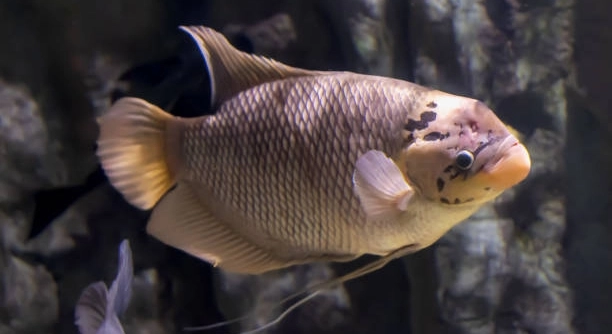
Gouramis are popular freshwater fish known for their vibrant colors and peaceful nature. However, they can become territorial as they grow, especially when sharing a tank. Recognizing the signs of territory formation helps maintain harmony in your aquarium.
Gouramis form territories by displaying specific behaviors such as chasing, flaring fins, establishing a preferred area, and showing aggressive postures toward intruders. These actions serve to protect their space and resources within the tank environment.
Observing these signs early will help you manage your gouramis better and ensure a balanced aquarium community. The following details explain how to identify territory formation clearly.
Chasing and Aggressive Behavior
When gouramis begin to form territory, one of the first noticeable signs is chasing. A gourami will actively pursue other fish that come too close to its chosen area. This behavior is usually more intense among males, especially during breeding seasons. The chasing is not just random; it is a clear message to others to stay away. Sometimes, chasing can escalate into nipping or light biting, which can stress other tank inhabitants. This aggression helps gouramis establish dominance and maintain control over food and shelter within the tank. It is important to observe these behaviors carefully to prevent injury or excessive stress in the aquarium. Managing space and providing plenty of hiding spots can reduce these aggressive displays, helping to keep the community peaceful.
Even if chasing seems normal, frequent aggressive bouts may signal the need to rearrange the tank or add more space.
Chasing indicates a gourami’s effort to defend its territory actively. By marking an area and driving others away, it reduces competition. This behavior ensures better access to resources such as food and mates. However, in confined spaces, chasing can lead to stress and injury. Ensuring ample room and visual barriers helps gouramis feel secure and less threatened, minimizing aggression. Paying attention to chasing patterns can prevent serious conflicts, keeping the aquarium balanced and healthy.
Flaring Fins and Posturing
Flaring fins is a common territorial display among gouramis. This behavior involves spreading the fins wide and making the fish appear larger and more intimidating. It is a warning to other fish to keep their distance. The fins remain flared for several seconds, especially when an intruder approaches the gourami’s space. This posture can be accompanied by a stiff body and raised scales. While it is mainly a visual signal, it can escalate into chasing or biting if the warning is ignored. Watching for these signals can help you identify when gouramis are establishing boundaries. Addressing territorial behavior early can improve the overall harmony of your aquarium.
When gouramis flare their fins, they show confidence in defending their space. Recognizing this behavior helps in managing tank dynamics effectively.
Flaring fins serve as a clear visual cue that a gourami is marking its territory. This display helps prevent physical confrontations by warning other fish to stay away. In nature, such signals conserve energy by avoiding unnecessary fights. In home aquariums, observing fin flaring can guide adjustments like adding plants or decorations to break sightlines and reduce tension. By understanding this behavior, owners can create a more comfortable environment for their gouramis, supporting peaceful coexistence.
Establishing a Preferred Area
Gouramis often claim a specific spot in the tank as their territory. This area usually includes a favorite hiding place or a space near food sources. They will frequently return to and defend this spot from other fish.
This behavior is common in both male and female gouramis, though males tend to be more territorial. The preferred area often includes plants, decorations, or caves that provide shelter and security. By choosing a spot, gouramis can control access to resources and maintain a safe environment. Observing where your gouramis spend most of their time can reveal their territory boundaries. Adjusting tank layout to include multiple hiding places can reduce territorial disputes.
Once gouramis establish their territory, they patrol this area regularly. Intruders entering this zone may be chased or intimidated. Territory marking helps maintain order, especially in crowded tanks. Ensuring enough space and visual barriers reduces stress and aggressive behavior.
Color Changes and Visual Signals
Gouramis use color changes to communicate territorial claims. Their colors may become more vivid or darker when defending a space. This visual signal warns other fish to keep away without physical confrontation.
Color shifts often accompany other territorial behaviors like fin flaring or chasing. Darker or brighter coloration increases the gourami’s presence in the tank, emphasizing dominance. These changes are temporary and linked to mood and environmental factors. Watching for color shifts helps monitor the fish’s stress and aggression levels. Managing lighting and tank conditions can support natural coloration and reduce stress-related color changes. Color signaling is an efficient way for gouramis to maintain territory while minimizing conflict.
Nest Building Behavior
Male gouramis often build bubble nests as part of their territory. These nests are created at the water’s surface and serve as a protected area for eggs. Nest building is a clear sign that a gourami is claiming space.
The nest is made by blowing bubbles coated with saliva. It can look like a cluster of foam or bubbles floating on the surface. This behavior shows strong territorial instincts, especially during breeding periods.
Guarding the Nest
Once the bubble nest is built, the male gourami guards it fiercely. He stays nearby, protecting eggs and fry from other fish. This guarding behavior is a strong indicator of territory.
Increased Hiding Spots Usage
Territorial gouramis tend to use hiding spots more frequently. These places offer safety and a way to monitor their claimed area without constant movement.
How can I tell if my gourami is being territorial or just aggressive?
Territorial behavior in gouramis usually involves specific actions like chasing, fin flaring, and guarding a particular spot or nest. Aggression without territory often seems random or directed at multiple fish without a clear space involved. Watching if your gourami focuses on a certain area helps identify territoriality.
What causes gouramis to become territorial in a community tank?
Territorial behavior often arises from limited space, breeding instincts, or competition for food and shelter. Male gouramis especially become protective when preparing for spawning. Overcrowding and lack of hiding places increase territorial displays. Adjusting tank size or adding decorations can reduce conflicts.
Is it normal for gouramis to chase each other often?
Chasing is a common territorial behavior, particularly among males. It helps establish boundaries and dominance. However, frequent and intense chasing may stress fish. Providing enough space and visual barriers helps minimize constant chasing and keeps the tank peaceful.
How can I reduce territorial disputes between gouramis?
Increasing tank size and adding plants or decorations creates separate spaces. Visual barriers reduce direct line of sight, lowering aggression. Keeping only one male gourami or multiple females also limits territorial fights. Regular monitoring ensures early intervention if problems arise.
Do gouramis fight more during breeding?
Yes, breeding periods heighten territorial behavior. Males become more aggressive to protect nests and attract females. This increased intensity is normal but should be managed to avoid injury or stress in the tank. Separating breeding pairs or providing larger spaces can help.
Can territorial behavior harm other fish?
Territorial gouramis may nip or chase tank mates, which can cause injury or stress. Smaller or less aggressive fish may suffer the most. Ensuring adequate hiding spots and space can reduce harm and promote a balanced environment.
Will gouramis always be territorial, or can they become peaceful over time?
Territorial instincts are natural and usually persist. However, well-managed tanks with enough room and hiding places can lower aggressive displays. Over time, gouramis may settle into established territories with less conflict if their needs are met.
Is bubble nest building a sign of aggression?
Bubble nest building is primarily a reproductive behavior, signaling that a male is ready to breed and claim territory. While it can lead to guarding and aggression near the nest, it is not aggression without context but a natural part of their life cycle.
What should I do if two gouramis are fighting constantly?
If fighting becomes severe, consider separating the fish temporarily. Rearranging the tank layout and adding more plants can help break sightlines. Reducing the number of males or increasing tank size may be necessary to restore peace.
How often should I check for territorial signs in my gouramis?
Regular observation is key, ideally daily or several times a week. Noticing early signs like chasing or fin flaring helps prevent escalation. Consistent monitoring ensures timely action to maintain a healthy tank environment.
Can female gouramis also be territorial?
While males are more territorial, females can show territorial behavior, especially in crowded tanks or when defending resources. Female disputes are usually less intense but still worth monitoring to avoid stress.
Does lighting affect gourami territorial behavior?
Bright lighting can increase visibility and make territorial displays more frequent. Dimmer or natural lighting may reduce stress and aggression. Adjust lighting based on your gouramis’ responses for a calmer tank atmosphere.
Are some gourami species more territorial than others?
Yes, species like the dwarf gourami and pearl gourami tend to be more territorial, especially males. Others may be less aggressive. Knowing the specific species’ behavior helps in tank planning and management.
What role does tank size play in gourami territorial behavior?
Smaller tanks limit space and increase competition, intensifying territorial displays. Larger tanks allow gouramis to spread out, reducing conflicts. Providing at least 20 gallons per gourami is recommended for peaceful coexistence.
Can diet influence territorial behavior?
Proper nutrition helps reduce stress, which can lower aggressive tendencies. Malnourished or hungry gouramis may become more aggressive to secure food. Feeding a balanced diet on schedule supports calmer behavior.
Territorial behavior in gouramis is a natural part of their biology and should be expected when keeping these fish. Understanding the signs of territory formation helps maintain a healthy aquarium environment. These behaviors are often linked to the fish’s need to protect resources like food, shelter, and breeding sites. Observing these signs early on allows for adjustments in the tank setup to reduce stress and conflicts among fish.
Managing gourami territories involves providing enough space and visual barriers within the tank. Adding plants, decorations, or caves creates multiple areas for gouramis to claim, which can lessen direct confrontations. Ensuring the tank is not overcrowded and maintaining proper water conditions also support peaceful behavior. Changes in tank arrangement can break up sightlines, helping reduce aggressive displays without removing the fish from their environment.
Recognizing territorial behavior and responding with thoughtful tank management promotes the well-being of gouramis and their tank mates. With proper care, gouramis can coexist in a shared space while maintaining their natural instincts. Paying attention to their behavior over time helps create a balanced aquarium that is both healthy and enjoyable to observe.

Hello,
If you enjoy the content that we create, please consider saying a "Thank You!" by leaving a tip.
Every little bit helps us continue crafting quality advice that supports the health, happiness, and well-being of pets around the world, for pets of all shapes, sizes, and species.
We really appreciate the kindness and support that you show us!