
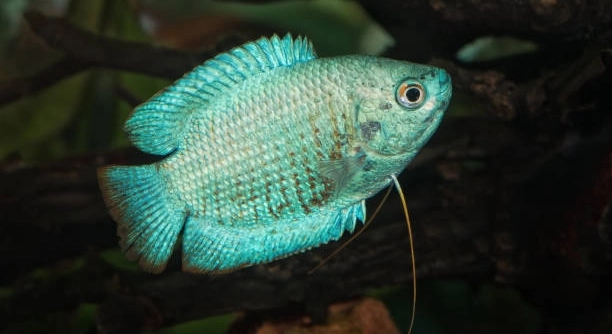
Gouramis are popular aquarium fish known for their gentle nature and unique appearance. Sometimes, these fish may start avoiding interaction or hiding more than usual. Understanding why they behave this way can help keep them healthy and comfortable.
Avoidance behavior in gouramis can be caused by factors such as poor water quality, stress from tank mates, illness, improper diet, inadequate tank conditions, sudden environmental changes, and lack of hiding spaces. Each factor affects their well-being and behavior differently.
Learning about these causes can improve your ability to care for your gourami. Recognizing signs early helps create a better environment for your fish’s happiness and health.
Poor Water Quality
Poor water quality is one of the most common reasons gouramis show avoidance behavior. If the water has high levels of ammonia, nitrites, or nitrates, it can irritate the fish’s gills and skin, making them uncomfortable. Gouramis may hide or swim less when the water feels toxic to them. Additionally, incorrect pH levels or temperature fluctuations can stress the fish, causing them to avoid activity. Regular water testing and timely water changes are essential to keep the environment safe and stable. Maintaining clean water also helps prevent diseases that can further impact your gourami’s behavior. Without good water conditions, even the healthiest gouramis will become withdrawn.
Keeping the water clean and balanced promotes your gourami’s natural behavior and overall well-being. Healthy water means happier fish.
Water quality directly affects how comfortable gouramis feel in their tank. It influences their breathing, activity levels, and willingness to interact. Ignoring water parameters can lead to stress, which is a key reason for avoidance. To maintain good water quality, perform weekly partial water changes, avoid overfeeding, and use a reliable filtration system. Regularly checking parameters like ammonia, nitrite, nitrate, pH, and temperature helps catch issues early. This care prevents stress-related behaviors and supports your gourami’s long-term health.
Stress from Tank Mates
Gouramis can become stressed when housed with aggressive or overly active tank mates. If other fish chase or nip at them, gouramis will avoid open spaces and hide more often. Stress from incompatible companions reduces their appetite and energy. It is important to choose peaceful fish species that coexist well with gouramis. Overcrowding also contributes to stress by limiting space and increasing competition. Stress weakens the immune system, making gouramis vulnerable to illness. Creating a calm and balanced community tank helps reduce stress and encourages natural behavior.
Stress from other fish often leads to avoidance and hiding, which signals discomfort. Maintaining a peaceful tank environment is key to preventing this issue.
Choosing suitable tank mates involves researching fish behavior and size compatibility. Gouramis generally do well with non-aggressive species such as tetras, rasboras, or peaceful bottom dwellers. Avoid large or fin-nipping fish that may intimidate them. Providing enough hiding spots with plants and decorations allows gouramis to retreat when needed. Monitor interactions closely after adding new fish, watching for signs of bullying or stress. If aggressive behavior persists, separating gouramis or changing tank mates may be necessary. Reducing stress improves their confidence and encourages more social and active behavior in the tank.
Illness and Disease
When gouramis get sick, they often avoid activity and hide more. Illness weakens their body, causing lethargy and loss of appetite. Signs like clamped fins, discoloration, or unusual swimming can indicate health problems.
Common illnesses affecting gouramis include bacterial infections, parasites, and fungal diseases. Poor water quality often leads to these conditions, but stress and injuries can also make them vulnerable. Treating illnesses quickly is important to prevent worsening symptoms. Quarantining new fish before adding them to the tank reduces the risk of spreading diseases. Regular observation helps catch signs early so you can act fast and protect your gouramis’ health.
If you notice your gourami avoiding others or staying hidden, check for physical symptoms and water quality issues. Prompt diagnosis and treatment improve their chances of recovery. Using appropriate medications and keeping the tank clean supports healing and prevents further health decline.
Improper Diet
An improper diet can cause gouramis to lose energy and avoid interaction. If their food lacks essential nutrients or is inconsistent, they may become weak and less active. Feeding a varied diet is key to keeping them healthy.
Gouramis thrive on a balanced diet of high-quality flakes, pellets, and occasional live or frozen foods like brine shrimp or bloodworms. Overfeeding or underfeeding can both lead to problems. Too much food pollutes the water, while too little starves the fish. Pay attention to portion sizes and feeding frequency to avoid these issues. Nutritional deficiencies weaken the immune system and reduce activity, causing your gourami to hide or avoid swimming. Keeping a consistent feeding schedule and offering variety supports their energy and natural behavior.
Adjust your feeding routine if your gourami shows signs of weakness or disinterest in food. Providing the right nutrition will help them regain their energy and encourage them to be more active and social.
Inadequate Tank Conditions
Gouramis need enough space to swim freely and places to hide. A small or bare tank can make them feel exposed and stressed. Without proper shelter, they tend to avoid open areas and hide more often.
Providing plants, decorations, and hiding spots helps gouramis feel safe. A well-arranged tank encourages natural behavior and reduces avoidance.
Sudden Environmental Changes
Sudden changes in temperature, lighting, or water chemistry cause stress in gouramis. These changes disrupt their routine and can make them shy away or hide.
Gradual adjustments and stable conditions help gouramis feel secure. Avoid sudden shifts to maintain their comfort and health.
Lack of Hiding Spaces
Gouramis rely on hiding spots to feel secure. Without enough cover, they become anxious and avoid swimming openly.
Adding plants and decorations offers safe places to retreat, reducing stress and encouraging natural behavior.
FAQ
Why does my gourami hide all the time?
Gouramis hide often when they feel stressed, scared, or unwell. Common reasons include poor water quality, aggressive tank mates, or lack of hiding spots. They also retreat when they are sick or if the tank environment changes suddenly. Providing a calm tank with plenty of plants and decorations helps them feel safe. Keeping water clean and stable reduces stress. If your gourami continues to hide a lot, check for signs of illness or bullying by other fish.
How can I improve my gourami’s behavior?
To improve behavior, start by maintaining excellent water quality with regular testing and water changes. Ensure the tank size is appropriate and provide plenty of hiding places with plants or decorations. Choose peaceful tank mates and avoid overcrowding. Feed your gourami a balanced diet with varied foods to keep them healthy. Gradual environmental changes help prevent stress. Watching your fish daily helps spot problems early. Reducing stress and keeping a stable environment encourages your gourami to be more active and social.
Can poor diet cause avoidance in gouramis?
Yes, an improper diet can weaken gouramis and make them less active. If they don’t get enough nutrients or eat only one type of food, they may lose energy and hide more. Overfeeding causes poor water quality, which also stresses fish. Feeding a mix of flakes, pellets, and occasional live or frozen foods keeps gouramis strong. Avoid sudden diet changes to prevent stress. A good diet supports their immune system and natural behavior.
Is it normal for gouramis to be shy?
Gouramis are naturally shy fish but should still explore their tank and interact with their environment. Excessive shyness or hiding often signals stress or discomfort. Factors like tank mates, water quality, or illness can increase their shy behavior. Creating a peaceful, well-maintained tank with hiding spots helps gouramis feel secure. Over time, they usually become more confident and visible.
How does water quality affect gourami behavior?
Water quality is critical for gouramis. Poor water conditions cause stress, illness, and discomfort, making them avoid swimming or hide frequently. High ammonia, nitrites, or nitrates irritate their gills, while wrong pH or temperature causes stress. Regular water testing and changes keep conditions stable and healthy. Good filtration and avoiding overfeeding also help maintain water quality. Stable, clean water supports healthy, active gouramis.
What are signs of stress in gouramis?
Signs of stress include hiding, loss of appetite, clamped fins, lethargy, and unusual swimming patterns. Stressed gouramis may also show faded colors or rapid breathing. Causes include poor water quality, aggressive tank mates, sudden changes, or disease. Identifying and fixing stress factors early prevents health problems. Providing a calm environment with proper diet, clean water, and compatible fish reduces stress.
Can sudden changes in the tank make gouramis avoid interaction?
Yes, sudden changes such as shifts in temperature, lighting, or water chemistry can stress gouramis. They may hide more and avoid other fish or food. Gouramis prefer a stable environment with gradual changes. When moving them or adjusting the tank, do so slowly to minimize stress. Stability encourages confidence and active behavior.
What tank mates are best for gouramis?
Peaceful fish like small tetras, rasboras, and Corydoras catfish usually get along well with gouramis. Avoid fin-nipping or aggressive species, as they stress gouramis and cause hiding behavior. Choose tank mates that enjoy similar water conditions and aren’t too large or territorial. Providing enough space and hiding spots also reduces conflict. Observing fish interactions helps ensure a peaceful community.
How often should I feed my gourami?
Feed your gourami small amounts two to three times daily. Overfeeding pollutes the water and stresses the fish, while underfeeding causes weakness and avoidance. Offer a variety of foods like flakes, pellets, and frozen or live treats. Remove uneaten food promptly to maintain water quality. A regular feeding routine supports energy levels and natural behavior.
Can adding plants help reduce avoidance in gouramis?
Yes, live or artificial plants provide hiding spots and shelter, which help gouramis feel secure. Plants reduce stress by offering places to retreat when they feel threatened or shy. A well-planted tank mimics their natural habitat and encourages more active and confident behavior. Adding different types of plants improves the tank environment and supports fish health.
Understanding why your gourami shows avoidance behavior can help you create a better environment for your fish. Many reasons cause this behavior, including poor water quality, stress from other fish, illness, and lack of proper hiding spaces. Each factor affects how comfortable your gourami feels in the tank. By paying close attention to these issues, you can help your fish become more active and less shy. Small changes like improving water conditions or adding plants make a big difference.
Taking care of gouramis means keeping their tank clean and stable. Regular water testing and changing part of the water each week help maintain healthy conditions. Feeding a balanced diet with a mix of flakes, pellets, and occasional live food supports their energy and immune system. Also, choosing peaceful tank mates and providing enough space reduces stress. When gouramis feel safe and healthy, they show more natural behavior and enjoy swimming around instead of hiding all the time.
It is important to watch your gourami regularly to notice changes in behavior early. Avoidance can be a sign that something is wrong, such as illness or stress. Acting quickly by checking water quality, adjusting tank mates, or treating health issues helps your fish recover faster. Creating a calm, clean, and comfortable home encourages your gourami to thrive and brings more enjoyment to your aquarium. With patience and care, you can support your fish’s happiness and well-being.

Hello,
If you enjoy the content that we create, please consider saying a "Thank You!" by leaving a tip.
Every little bit helps us continue crafting quality advice that supports the health, happiness, and well-being of pets around the world, for pets of all shapes, sizes, and species.
We really appreciate the kindness and support that you show us!