
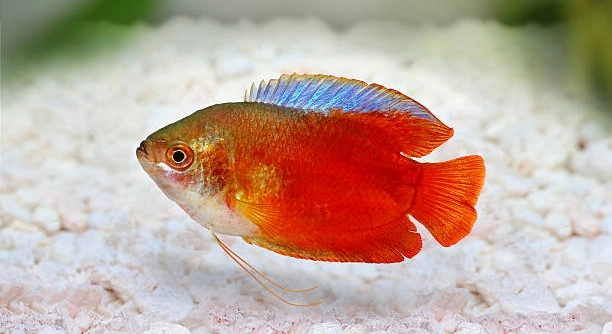
Gouramis are popular freshwater fish known for their vibrant colors and peaceful nature. Many aquarists enjoy keeping them as pets. However, it is common to notice that gouramis often avoid eating together despite sharing the same tank environment.
Gouramis tend to refuse eating together primarily due to territorial behavior and social hierarchy within the tank. Individual fish establish dominance, which can lead to solitary feeding habits to avoid conflict and competition for food resources.
Learning about these behaviors can help you create a better environment for your gouramis. Understanding their feeding habits will improve their health and overall tank harmony.
Understanding Gourami Behavior During Feeding
Gouramis are naturally territorial fish. Even though they look peaceful, they often prefer to have their own space, especially when it comes to food. When feeding time comes, they can become competitive or shy away to avoid fights. This behavior is common in gouramis because they use territory to feel safe and reduce stress. In the wild, they spread out to find food without interference from others. In an aquarium, limited space makes it harder for them to do that. Some gouramis might eat faster and chase others away, while some will wait for their turn. Over time, they learn to keep distance during feeding, which is why you see them eating alone instead of sharing a spot. It’s important to understand these natural instincts to create a better feeding setup that reduces tension among them.
Providing enough space and hiding spots helps gouramis feel secure and less competitive during feeding times.
Knowing how gouramis behave during feeding can guide you in arranging the tank. By spreading food in multiple spots and adding plants or decorations, you create small territories. This lets shy gouramis eat without fear, and more dominant ones don’t have to guard a single area. Feeding smaller amounts multiple times a day also reduces competition. Watching their interactions can tell you if changes are needed. Adjusting feeding routines based on their behavior improves their comfort and health. This approach helps keep peace in the tank and encourages all gouramis to eat well without stress.
Feeding Tips for Gouramis
Gouramis are not just territorial; they also have specific dietary needs. They usually prefer slow-moving food and can be picky about what they eat. It is important to offer a balanced diet including flakes, pellets, and occasional live or frozen food like brine shrimp or bloodworms. Providing variety helps keep them healthy and interested during feeding. Avoid overfeeding because leftover food can pollute the tank and cause health issues.
To encourage all gouramis to eat, try spreading food across different areas in the tank and feed smaller amounts several times a day. This reduces competition and helps weaker fish get enough nutrition. Keep an eye on their feeding habits and adjust accordingly. Ensuring a peaceful environment and proper diet will keep your gouramis happy and thriving.
Managing Gourami Feeding Conflicts
Gouramis may become aggressive during feeding, especially if space is limited or food is scarce. Managing their environment can reduce these conflicts.
Providing multiple feeding spots helps spread out the fish, lowering chances of fights. Using feeding rings or placing food near plants creates separate zones where gouramis can eat comfortably. This setup mimics their natural behavior of feeding in different areas. It reduces stress for shy gouramis and prevents dominant ones from bullying others. Consistent feeding schedules also help, as fish learn when and where to expect food. Patience is key, as gouramis adjust to new routines and spaces gradually.
Feeding smaller amounts frequently rather than a large portion at once prevents overcrowding. Overfeeding can cause food to sink, increasing competition and aggression. Observe your fish to identify any signs of bullying or stress during feeding times. If aggression continues, consider rearranging tank decorations to break up sight lines and reduce territorial disputes.
Recognizing Gourami Stress Signals
Stress in gouramis affects their appetite and overall health. Watch for signs like hiding, loss of color, or erratic swimming. These can indicate problems during feeding or tank conditions.
When gouramis refuse to eat together, it may mean stress is present due to competition or environmental issues. Crowded tanks, poor water quality, or sudden changes can heighten stress levels. Ensuring proper tank size and regular water changes are crucial for their wellbeing. Providing hiding spots and plants offers a refuge where stressed fish can retreat. Stress also weakens the immune system, making gouramis more vulnerable to disease.
Regular monitoring helps catch early signs of stress so you can adjust care routines. Feeding calmly without rushing and avoiding sudden disturbances during meal times create a more relaxed atmosphere. Reducing stress improves their willingness to feed and interact peacefully, leading to healthier and happier gouramis overall.
Tank Setup and Space Needs
Gouramis need enough space to feel comfortable during feeding. A crowded tank makes them compete more aggressively for food and territory.
Providing at least 20 gallons per fish helps reduce stress. Adding plants and decorations creates natural barriers and feeding spots, allowing gouramis to eat without feeling threatened.
Choosing Compatible Tank Mates
Choosing peaceful tank mates reduces stress and competition during feeding. Aggressive or fast eaters can outcompete gouramis and cause tension.
Compatible species include small tetras, rasboras, or peaceful catfish. Avoid large or aggressive fish that might bully gouramis or steal their food. Careful selection creates a calm feeding environment.
Feeding Frequency and Timing
Feeding gouramis two to three times daily in small amounts helps prevent competition and leftover food buildup.
Observing Behavior Changes
Noticing changes in gouramis’ eating habits or social interactions can indicate health or environment problems needing attention.
FAQ
Why do gouramis refuse to eat together?
Gouramis are territorial fish and often prefer to eat alone to avoid conflicts. When food is limited or space is small, dominant gouramis may chase others away. This behavior helps reduce fights but makes it seem like they refuse to eat together. Giving them more space and multiple feeding spots encourages peaceful eating.
How can I encourage gouramis to eat at the same time?
Offering food in several places around the tank helps gouramis feel less competitive. Feeding smaller amounts several times a day also lowers stress. Using floating or sinking foods spread out across the tank allows shy or smaller gouramis to feed without being bullied by more dominant fish.
Is it normal for gouramis to be aggressive during feeding?
Yes, some level of aggression is natural as gouramis protect their territory and food sources. However, excessive aggression can cause stress and health problems. Managing tank size, adding hiding spots, and adjusting feeding routines can reduce aggression.
What should I feed gouramis to keep them healthy?
Gouramis need a balanced diet including high-quality flakes or pellets designed for tropical fish. Adding live or frozen foods like brine shrimp, bloodworms, or daphnia provides protein and variety. Avoid overfeeding to prevent water quality issues and obesity.
Can gouramis eat with other fish species?
Yes, gouramis can share a tank with peaceful species that do not compete aggressively for food. Good companions include tetras, rasboras, and Corydoras catfish. Avoid fast or aggressive feeders that might stress gouramis or steal their food.
What are signs of stress in gouramis related to feeding?
Stress signs include loss of appetite, hiding, color fading, and erratic swimming. These behaviors often indicate competition, poor water quality, or inadequate space. Stress affects health, so observing these signs early helps prevent serious problems.
How often should I feed my gouramis?
Feeding two to three times a day in small amounts is best. Frequent feeding ensures all fish get enough nutrition without leaving excess food to pollute the water. Smaller meals reduce competition and help maintain a cleaner tank environment.
What should I do if one gourami is bullying others during feeding?
Try spreading food around the tank and adding more hiding spots to break up territories. Feeding smaller amounts more often helps reduce competition. If bullying persists, consider separating aggressive gouramis or increasing tank size to give everyone more space.
Can tank size affect gourami feeding behavior?
Absolutely. Smaller tanks increase stress and competition for food and territory. Larger tanks provide enough space for gouramis to spread out, lowering aggression and encouraging more peaceful feeding habits.
Is it necessary to remove leftover food after feeding?
Yes, removing uneaten food is important to keep the water clean and prevent harmful bacteria or algae growth. Leftover food can cause health issues and increase competition if it sinks and attracts fish to the same spot repeatedly. Regular cleaning helps maintain a healthy environment.
How can I tell if my gouramis are getting enough food?
Healthy gouramis are active during feeding and show interest in food. They maintain good body condition and color. If some fish seem thin or avoid feeding areas, they may not be getting enough. Adjust feeding techniques or tank setup to ensure all fish can eat comfortably.
Are gouramis picky eaters?
Gouramis can be selective but usually accept a variety of foods. Offering different types of food keeps them interested and healthy. Some may prefer flakes, others live or frozen foods. Watch what your gouramis prefer and vary their diet accordingly.
Does water quality affect gourami feeding behavior?
Poor water quality stresses gouramis and often reduces their appetite. Maintaining clean water with regular changes and proper filtration helps keep gouramis healthy and eager to eat. Stress from bad water conditions can also increase aggression during feeding.
What is the best way to introduce new gouramis to an existing tank?
Introduce new gouramis slowly and provide plenty of hiding spots to reduce territorial disputes. Feeding in different areas helps new fish get used to the tank without stress. Monitor interactions closely and separate any fish showing excessive aggression until they settle.
Can feeding times impact gourami behavior?
Yes, consistent feeding schedules help gouramis feel secure and reduce competition. Fish learn when to expect food and are less likely to fight if feeding happens regularly. Irregular feeding can cause stress and increase aggressive behavior during meal times.
Are there specific foods to avoid feeding gouramis?
Avoid feeding gouramis human food, bread, or anything processed that is not designed for fish. Some foods may cause digestive issues or pollute the water quickly. Stick to high-quality fish food and occasional live or frozen treats for best health and behavior.
Gouramis are beautiful and interesting fish to keep, but their feeding habits can sometimes be confusing. It’s normal for them to avoid eating together because of their natural territorial instincts. Understanding this behavior helps in creating a tank environment where each fish feels safe and can eat without stress. Providing enough space, multiple feeding spots, and hiding places makes a big difference in reducing competition. These simple changes make feeding time smoother for both the fish and the person caring for them.
Paying attention to how gouramis behave during feeding is important for their health. Signs of stress, like hiding or loss of appetite, often come from too much competition or poor tank conditions. When gouramis are comfortable, they will eat regularly and show their natural colors and activity. Feeding small amounts several times a day also helps reduce fights over food and prevents leftover waste from affecting water quality. Keeping a clean tank and offering a balanced diet supports their overall well-being and happiness.
In the end, patience and observation are key when dealing with gouramis and their feeding habits. Every tank is different, and sometimes small adjustments are needed to find what works best. Watching how gouramis interact during feeding helps spot problems early and guides changes to improve their environment. With the right care, gouramis can thrive, showing their beautiful colors and peaceful nature, even if they prefer to eat apart from each other. This understanding allows for a healthier, more balanced aquarium that benefits all its inhabitants.

Hello,
If you enjoy the content that we create, please consider saying a "Thank You!" by leaving a tip.
Every little bit helps us continue crafting quality advice that supports the health, happiness, and well-being of pets around the world, for pets of all shapes, sizes, and species.
We really appreciate the kindness and support that you show us!