
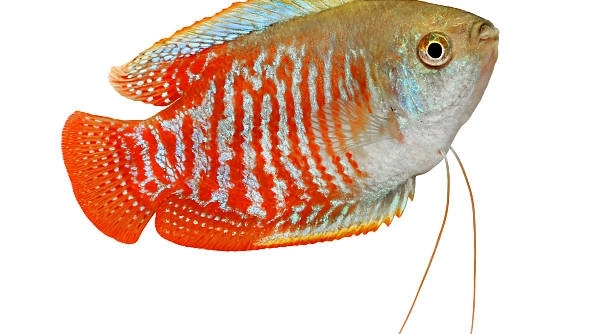
Gouramis are popular freshwater fish, but their aggressive behavior can cause problems in community tanks. Understanding common causes of aggression helps maintain a peaceful environment. This article presents practical tips to reduce conflicts among gouramis effectively.
Preventing gourami aggression involves managing tank conditions, providing adequate space, and introducing compatible tank mates. Proper feeding routines and hiding spots also minimize territorial disputes. These strategies help maintain balance and promote healthier social interactions in the aquarium.
Managing aggression in gouramis is essential for a stable and stress-free aquarium. The following tips offer clear solutions to keep your fish calm and your tank harmonious.
Provide Adequate Space for Each Gourami
Gouramis need enough room to swim freely and establish their own territory. Overcrowded tanks often lead to increased aggression as fish compete for limited space. A larger tank reduces stress and allows gouramis to display natural behaviors without feeling threatened. Ideally, each gourami should have at least 10 gallons of water. This space helps minimize encounters that provoke fighting or dominance displays. Additionally, the tank shape matters—longer tanks offer more horizontal swimming space, which gouramis prefer. Avoid tall tanks that limit their movement near the surface. Proper tank size supports better water quality and provides room for plants and decorations that break lines of sight, reducing territorial disputes.
Setting up a tank with enough space creates a more peaceful environment. It encourages natural behavior and helps gouramis coexist without constant conflict.
Using a tank that fits the recommended size will help keep gouramis calm and reduce aggressive interactions.
Introduce Compatible Tank Mates
Choosing tank mates that are peaceful and similarly sized is key to preventing aggression. Gouramis do best with non-aggressive species that do not compete for the same territory or food. Avoid fin-nipping or highly active fish, as these can provoke stress and aggressive responses. Species like tetras, rasboras, and some catfish usually work well. Introducing new fish gradually allows gouramis to adjust without feeling threatened. It is important to monitor their behavior during introductions and separate any fish showing persistent aggression. A carefully chosen community reduces stress for all fish and keeps the tank balanced.
Tank mate selection directly influences gourami behavior. Peaceful companions help maintain harmony, while incompatible fish can increase tension and fights. Proper planning ensures a stable community aquarium.
Maintain Proper Feeding Routines
Consistent feeding reduces competition among gouramis. Overfeeding or irregular schedules can increase aggression as fish compete for food.
Feeding gouramis on a regular schedule prevents food-related disputes. Overfeeding often leads to poor water quality, which stresses fish and makes aggression worse. Use high-quality pellets or flakes designed for gouramis, and supplement with occasional live or frozen foods like brine shrimp or bloodworms to keep them healthy and satisfied. Providing food evenly across the tank allows all fish to eat without feeling threatened. Avoid feeding only in one spot, as this can trigger dominance behavior.
Balanced nutrition and proper feeding habits keep gouramis calm. They are less likely to compete aggressively when their dietary needs are met consistently.
Create Hiding Spots and Visual Barriers
Plants, rocks, and decorations create hiding places that reduce visibility and tension between gouramis. Visual barriers break line of sight, limiting territorial disputes. Dense planting or floating plants also provide cover for shy fish.
Hiding spots give gouramis a chance to retreat when they feel threatened, reducing stress and the likelihood of aggressive behavior. Visual barriers reduce direct confrontations by limiting how often fish see each other, which can trigger fighting. Using natural materials helps create a comfortable environment that mimics their habitat. Variety in decoration placement encourages fish to explore different zones, distributing them evenly throughout the tank. Properly arranged cover is essential for promoting peaceful coexistence and minimizing conflict.
Monitor Water Quality Regularly
Clean water reduces stress and aggression in gouramis. Poor water conditions can trigger territorial disputes and health problems.
Testing water parameters like ammonia, nitrites, and nitrates weekly helps maintain a healthy environment. Regular water changes keep toxins low, supporting calm behavior.
Avoid Keeping Male Gouramis Together
Male gouramis are naturally territorial and may fight when housed together. Keeping only one male per tank reduces aggression significantly.
Introducing females or other species helps balance social dynamics, preventing conflicts between males. This approach ensures a more peaceful aquarium.
Provide Balanced Lighting
Proper lighting supports natural behavior in gouramis. Too much light can increase stress and aggression.
Using moderate, consistent lighting mimics natural day and night cycles, helping gouramis feel secure and relaxed.
FAQ
How can I tell if my gourami is being aggressive?
Aggressive gouramis often chase or nip other fish, flare their fins, and display raised gill covers. They may guard certain spots in the tank and attack when other fish come close. Signs also include damaged fins on tank mates and frequent chasing that disrupts normal swimming patterns. Observing these behaviors early helps prevent serious injuries.
What should I do if two gouramis start fighting?
If fighting occurs, separate the fish immediately to avoid injury. Rearranging tank decorations can help break up established territories and reduce tension. Adding more hiding places allows the fish to avoid each other. Increasing tank size or rehoming one of the gouramis may be necessary if aggression continues.
Are certain gourami species more aggressive than others?
Yes, some species like the Three-spot Gourami (Trichopodus trichopterus) tend to be more territorial, especially males. Dwarf Gouramis are generally calmer but can still show aggression if stressed or overcrowded. Understanding the temperament of each species before adding them helps maintain tank harmony.
Can overcrowding cause gourami aggression?
Overcrowding is a common cause of aggression. Limited space forces gouramis to compete for territory, food, and hiding spots, increasing stress and fights. Providing sufficient space, proper filtration, and adequate hiding places reduces aggressive behavior.
How often should I feed my gouramis to prevent fights?
Feeding small amounts two to three times daily helps reduce competition. Avoid overfeeding or leaving food uneaten, as it can cause water quality issues that stress the fish. Spread food across the tank so all gouramis get a chance to eat without guarding a single spot.
Will adding plants really reduce aggression in gouramis?
Plants create natural barriers that break line of sight between fish, reducing territorial disputes. They also offer hiding places for shy or stressed gouramis. Live plants improve water quality and provide a more natural environment, helping gouramis feel secure and less prone to aggressive displays.
Is it better to keep only one male gourami in a tank?
Keeping a single male gourami is usually best, as males are highly territorial and prone to fighting each other. Housing one male with several females or peaceful tank mates reduces aggression and stress. If multiple males are kept, a much larger tank with plenty of hiding spots is necessary.
Can stress cause gouramis to become aggressive?
Stress from poor water conditions, overcrowding, or incompatible tank mates can trigger aggressive behavior. Ensuring clean water, adequate space, and a peaceful community reduces stress levels and helps keep gouramis calm.
How can I safely introduce new fish to reduce aggression?
Introduce new fish slowly, preferably using a quarantine tank first. Rearrange decorations before adding new fish to disrupt established territories. Monitor interactions closely and separate aggressive fish if needed. Gradual introduction lowers stress and prevents sudden fights.
What role does tank size play in preventing gourami aggression?
Tank size directly affects aggression levels. Smaller tanks force gouramis into close quarters, increasing competition for space. Larger tanks provide more territory and allow fish to avoid each other, reducing conflicts. A minimum of 20 gallons is recommended for a pair, with extra space for each additional fish.
Are gouramis aggressive during breeding?
Yes, gouramis can become more territorial and aggressive during breeding, especially males guarding their nests. Providing plenty of hiding spots and separating breeding pairs from other fish helps reduce stress and aggression during this period.
Can diet influence gourami aggression?
A balanced diet supports health and reduces stress-related aggression. Poor nutrition weakens fish and may make them more defensive. Feeding a variety of foods like pellets, flakes, and occasional live or frozen treats keeps gouramis healthy and less prone to fighting.
Final Thoughts
Preventing aggression in gouramis requires careful attention to their environment and behavior. Providing enough space is essential, as overcrowded tanks often lead to fighting. Gouramis need room to establish territories and swim freely. Proper tank size, along with well-planned decorations and plants, helps reduce confrontations by breaking lines of sight and offering hiding places. These factors together create a more peaceful setting where gouramis can coexist comfortably without feeling constantly threatened.
Feeding routines also play an important role in managing aggression. Consistent, balanced feeding lowers competition for food and reduces stress among gouramis. Overfeeding can harm water quality, which in turn affects fish behavior. Selecting compatible tank mates is another key element. Choosing peaceful fish that do not compete for the same territory or food helps maintain harmony. Male gouramis especially require careful consideration, as they tend to be territorial and aggressive toward each other. Keeping only one male or providing a sufficiently large tank with plenty of hiding spots is crucial to avoid unnecessary conflicts.
Regular maintenance and monitoring of water quality are equally important. Stress caused by poor water conditions often leads to increased aggression. Testing water parameters frequently and performing timely water changes keep the environment healthy for all fish. In addition, proper lighting and avoiding sudden changes in the tank setup help gouramis feel secure. Taking these steps consistently supports calm behavior and reduces the chance of aggression. Overall, understanding gourami needs and managing their environment with care promotes a balanced aquarium where they can thrive peacefully.

Hello,
If you enjoy the content that we create, please consider saying a "Thank You!" by leaving a tip.
Every little bit helps us continue crafting quality advice that supports the health, happiness, and well-being of pets around the world, for pets of all shapes, sizes, and species.
We really appreciate the kindness and support that you show us!