
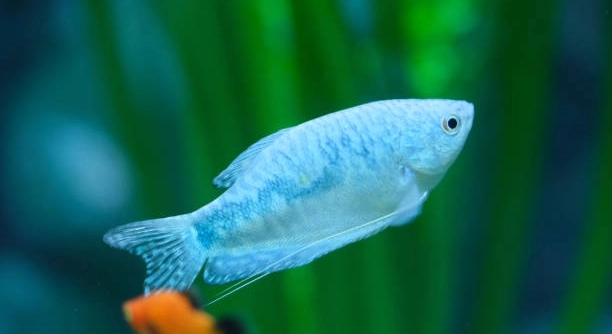
Gourami are popular freshwater fish known for their peaceful appearance and vibrant colors. Many aquarium owners notice unique interactions among these fish, especially when they share limited space. Understanding their behavior helps create a balanced environment.
Gourami species can exhibit dominant behavior traits, particularly during territory disputes and breeding. Dominance is often shown through displays of aggression, chasing, and posturing to establish hierarchy within a group. These behaviors vary by species and individual temperament.
Recognizing dominant tendencies in gourami can improve tank management and reduce stress among fish. Observing their interactions provides insight into maintaining harmony in your aquarium.
Understanding Gourami Social Behavior
Gourami fish often establish social hierarchies within their groups. Dominant gourami usually claim prime territories in the tank, especially around plants or hiding spots. These fish show dominance through chasing others away and flaring their fins to appear larger. This behavior is natural and helps reduce constant conflict by establishing clear roles. Some gourami species are more territorial than others, so tank size and decoration impact how often dominance displays occur. If the tank is too small or overcrowded, aggressive behaviors may increase. Observing these interactions closely can help determine when intervention is needed to maintain peace. Providing enough space and hiding places often reduces stress and aggressive encounters among gourami. Knowing how they behave socially allows for better care and a more peaceful aquarium environment overall.
Dominance in gourami helps maintain social order but can cause stress if space is limited. Proper tank setup is essential to managing this behavior.
Balancing gourami numbers and tank layout minimizes aggressive behaviors. Regular observation ensures early detection of excessive dominance or bullying. Adjusting tank conditions supports healthier social dynamics and fish wellbeing.
Signs of Dominant Behavior in Gourami
Dominant gourami often display aggressive behaviors like chasing, fin flaring, and body posturing.
These behaviors can intensify during breeding or when establishing territory. Dominant fish may restrict access to food or preferred spots, causing stress for others. Early signs include frequent chasing and persistent fin displays. Some gourami tolerate this behavior better than others, but prolonged aggression may harm weaker fish. In such cases, separating overly aggressive individuals or adding more hiding places can help. Monitoring your gourami’s interactions and knowing what to expect ensures a balanced community tank where all fish can thrive without constant conflict or stress.
Managing Aggression in Gourami Tanks
Aggression among gourami can be managed by adjusting tank conditions and fish numbers. Reducing overcrowding and providing hiding spots often decreases dominance conflicts.
Adding plants and decorations creates territories, helping reduce stress and aggressive displays. Removing overly aggressive fish is sometimes necessary to protect the community. Monitoring interactions regularly helps catch problems early. Splitting gourami into smaller groups can also minimize conflicts. Adjusting feeding routines to ensure all fish get enough food reduces competition. Maintaining clean water and a stable environment keeps gourami calmer overall, lessening dominance struggles. Patience and careful observation are key to managing aggressive tendencies effectively. Providing a balanced environment supports peaceful coexistence and healthier fish.
Dominant behavior tends to worsen in smaller tanks or with uneven sex ratios. Careful selection of gourami species that tolerate each other helps maintain harmony. Keeping only one male gourami or mixing species thoughtfully reduces aggression. Consistent maintenance of tank conditions plays an important role in keeping stress and dominance low.
Tank Setup to Reduce Dominance
Providing a spacious tank with plenty of hiding places minimizes conflicts. Gourami feel less threatened when they can retreat and establish territories.
Using tall plants, rocks, and decorations breaks the line of sight between fish, limiting direct confrontations. A larger tank offers enough room for each gourami to claim its own space. Proper filtration and regular water changes maintain good water quality, which reduces stress-induced aggression. Avoiding overcrowding by following stocking guidelines prevents territorial disputes. Lighting that mimics natural conditions also supports calmer behavior. Thoughtful tank arrangement helps create a peaceful environment where gourami coexist with less dominance-related conflict.
Recognizing Early Signs of Stress
Gourami showing signs of stress may hide more often or lose their vibrant colors. Reduced appetite and erratic swimming are also common indicators.
Addressing stress early by improving tank conditions and reducing aggression can prevent serious health problems and improve overall fish wellbeing.
Feeding and Dominance
Feeding time can increase competition, especially if dominant gourami restrict access to food. Offering multiple feeding spots helps ensure all fish get enough nutrition.
Consistent feeding schedules reduce stress and help maintain calm behavior during meals, minimizing aggressive interactions around food.
When to Separate Aggressive Gourami
If aggression persists despite adjustments, separating the aggressive gourami may be necessary. Isolation prevents injury and stress in the community.
Separating fish temporarily can calm tensions and allow for safer reintroduction once conditions improve.
FAQ
Do gourami always show dominant behavior?
Not all gourami display dominant behavior. It depends on the species, tank size, and social group. Some gourami are naturally more peaceful, while others show dominance mainly during breeding or when competing for territory. Proper tank conditions can reduce aggressive displays.
How can I tell if a gourami is being too aggressive?
Signs of excessive aggression include constant chasing, fin nipping, and stress behaviors in other fish such as hiding or loss of appetite. If one gourami repeatedly attacks others or injures them, it indicates too much aggression that needs addressing.
Can dominant gourami harm other fish?
Yes, dominant gourami can stress or injure other fish, especially smaller or less aggressive species. Prolonged aggression may lead to physical damage, stress-related illness, or death if not controlled.
What is the best tank size to reduce gourami aggression?
A larger tank reduces conflicts by giving gourami enough space to establish territories. For most gourami species, a tank of at least 30 gallons is recommended. Bigger tanks allow more hiding spots and reduce overcrowding, which lowers aggression.
Are some gourami species more aggressive than others?
Yes, species like the Three-spot Gourami or Pearl Gourami often show more territorial behavior. Dwarf gourami tend to be less aggressive but may still display dominance in small tanks. Knowing species traits helps plan tank mates and environment.
How many gourami should I keep together?
Keeping one male gourami per tank is ideal to avoid male-on-male aggression. If keeping multiple gourami, having more females than males helps reduce fights. Overcrowding increases stress and dominance issues, so follow recommended stocking levels.
What tank decorations help reduce dominant behavior?
Plants, rocks, and caves create natural boundaries and hiding places. Tall plants and floating vegetation break lines of sight, helping shy fish avoid dominant ones. Decorations that divide the tank into smaller areas ease territorial disputes.
Can diet affect gourami aggression?
Proper feeding reduces competition. Offering food in several locations ensures all fish eat, lowering food-related aggression. Poor nutrition or inconsistent feeding can increase stress and aggressive behavior.
Is it normal for gourami to flare their fins?
Yes, fin flaring is a common dominance display to appear larger and warn others. Occasional flaring is natural but should not lead to constant chasing or injury. Persistent displays indicate stress in the group.
How do I safely separate an aggressive gourami?
Use a divider or a separate tank to isolate the aggressive fish. Temporary separation allows others to recover from stress and injuries. Monitor behavior during isolation before reintroducing to the main tank.
Can gourami live peacefully with other fish?
Gourami can live peacefully with compatible species that are not overly aggressive or too small to be bullied. Choosing calm tank mates and providing enough space helps maintain harmony.
Does tank water quality affect gourami behavior?
Poor water quality causes stress and can increase aggression. Regular water changes, proper filtration, and stable parameters keep gourami healthy and calmer, reducing dominance problems.
What should I do if one gourami is bullying others?
First, check tank size, decorations, and fish numbers. Improve hiding spots and reduce overcrowding. If bullying continues, consider removing the aggressive fish to protect the group.
Do gourami change behavior during breeding?
Yes, males become more territorial and aggressive when breeding or guarding nests. Temporary increases in dominance behavior are common but should not cause harm to other fish.
Can dominant behavior be trained or reduced over time?
Behavior can improve with a well-managed environment. Proper tank size, decorations, feeding, and fish selection help reduce dominance. However, natural temperament plays a role and some individuals remain more aggressive.
How often should I observe my gourami for dominance issues?
Daily observation is recommended to catch early signs of aggression. Noticing changes in behavior quickly allows prompt action to prevent stress and injury. Routine checks are important for long-term tank harmony.
Final Thoughts
Gourami are interesting fish that can show dominant behavior, especially in certain tank conditions. This behavior is often natural and linked to their need to establish territory or compete for mates. While dominance can sometimes lead to aggression, it does not always mean serious problems will occur. Many gourami live peacefully when their environment supports their needs. Proper tank size, decorations, and careful selection of tank mates play important roles in reducing aggressive displays. Observing gourami regularly can help catch early signs of dominance issues before they become harmful. Taking action quickly improves the overall health and harmony of the aquarium.
Managing gourami behavior requires attention to their environment and social dynamics. Overcrowding and lack of hiding spots increase stress and dominance struggles. Providing enough space and places to retreat creates a more balanced setting. Feeding routines also matter. Offering food in multiple locations reduces competition and keeps gourami calmer. If one fish shows constant aggression, separating it temporarily may be necessary. Sometimes, the temperament of individual fish means they will always be more dominant. In these cases, maintaining a peaceful tank requires more effort and adjustments.
Understanding gourami dominance helps create a better aquarium experience. It is normal for these fish to assert themselves, but it should not lead to constant fights or injuries. When dominance is managed well, gourami can coexist with other fish and remain healthy. Careful planning of the tank setup, stocking levels, and ongoing monitoring ensures a stable environment. This stability supports not only the physical health of the gourami but also their behavior. A calm tank with minimal stress results in fish that display natural behavior without unnecessary aggression. This balance leads to a more enjoyable and successful fish-keeping experience overall.

Hello,
If you enjoy the content that we create, please consider saying a "Thank You!" by leaving a tip.
Every little bit helps us continue crafting quality advice that supports the health, happiness, and well-being of pets around the world, for pets of all shapes, sizes, and species.
We really appreciate the kindness and support that you show us!