
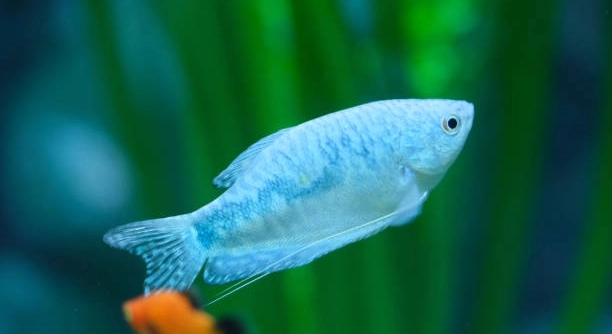
Many aquarium enthusiasts enjoy keeping gourami because of their peaceful nature and interesting behaviors. Gourami are social fish that can show signs when they feel isolated. Recognizing loneliness in gourami helps keep them happy and healthy.
Gourami exhibit specific behaviors when lonely, such as decreased activity, loss of appetite, and lack of interaction with tank mates. These signals are important indicators of social deprivation and stress in their environment.
Identifying these signs early can improve your gourami’s well-being and create a more balanced aquarium community.
Changes in Behavior and Activity Levels
When gourami feel lonely, their behavior often shifts noticeably. They may become less active, spending more time hiding or resting at the bottom of the tank. Normally lively and curious, a lonely gourami can seem withdrawn, avoiding interaction with other fish or even ignoring food. You might notice it swimming sluggishly or staying still for longer periods. This change is a clear sign that something is off in their environment.
Reduced activity can lead to other health problems if not addressed quickly.
Loneliness in gourami directly impacts their energy and motivation. Without social interaction, they lose interest in exploring or engaging with their surroundings. This lack of stimulation can cause stress, which affects their overall health and lifespan. Making sure your gourami has companions or enough environmental enrichment helps keep their activity levels steady and their spirits lifted.
Loss of Appetite and Eating Habits
Lonely gourami often eat less or refuse food altogether. This change is an important sign that something is wrong.
A lack of appetite is a response to stress caused by isolation. Gourami naturally thrive in social groups, and without company, their mental well-being suffers. When they feel lonely, their bodies react by slowing down metabolism, reducing hunger. This can lead to malnutrition or weakened immune systems if the problem isn’t fixed. Feeding schedules might become irregular as gourami lose interest, making it harder to maintain proper nutrition. To help, consider adding compatible tank mates or creating a more stimulating environment with plants and hiding spots. This support encourages natural feeding behaviors and helps restore appetite. Loneliness is more than just a feeling for gourami—it directly affects their health through eating habits.
Isolation and Lack of Interaction
Gourami that feel lonely avoid interacting with other fish. They may hide or swim away when others approach.
This behavior shows their need for social contact isn’t being met. Gourami are naturally social, and when left alone, they stop engaging. This isolation can cause stress, making them less likely to swim openly or explore the tank. Over time, the lack of interaction damages their mental health, which can also weaken their immune system.
Lonely gourami may ignore usual social behaviors like flaring fins or bubble nest building. These are signs they aren’t comfortable or happy. Providing companions or enough stimulation helps encourage normal social behavior, improving their overall mood and health.
Changes in Color and Appearance
Loneliness can cause gourami’s colors to fade or look dull.
Stress from isolation affects their physical condition. When gourami are lonely, their bright colors may become muted, and their scales can lose shine. This happens because stress reduces the production of pigments that give gourami their vibrant appearance. Dull coloring is a visible sign that the fish is under emotional strain and possibly not feeling well.
Besides color changes, loneliness can affect the fish’s body shape and fin condition. They may become thinner or develop ragged fins if stress continues. Healthy, colorful gourami usually mean a happy fish living in a supportive environment. Paying attention to color changes helps catch loneliness early before health worsens.
Increased Aggression
Lonely gourami may become more aggressive toward tank mates or even their reflection.
This behavior is a sign of frustration and stress caused by isolation. Aggression can harm other fish and disrupt the tank’s balance.
Lack of Bubble Nest Building
Gourami build bubble nests as part of their natural breeding behavior. When lonely, they often stop making these nests.
This absence shows their stress and lack of comfort in the environment. Without social support or proper conditions, gourami lose interest in this instinctive activity, which signals poor well-being.
Excessive Hiding
Lonely gourami tend to hide more than usual.
They seek shelter to feel safe and avoid stress, indicating their need for companionship or better tank conditions.
How can I tell if my gourami is lonely?
You can tell a gourami is lonely by noticing changes in its behavior and appearance. Signs include reduced activity, hiding, loss of appetite, dull colors, lack of social interaction, and increased aggression. If your gourami stops building bubble nests or seems withdrawn, it may be feeling isolated.
Why do gourami need company?
Gourami are social fish by nature and thrive when they have companions. Interaction with other fish helps reduce stress and encourages natural behaviors like swimming actively and building bubble nests. Without company, gourami can become bored, stressed, and unhealthy.
How many gourami should I keep together?
It depends on the tank size and gourami species, but generally, keeping at least two or three gourami together is ideal. This allows social interaction while reducing territorial fights. Always provide enough space and hiding spots to keep peace among them.
Can gourami live alone?
Gourami can survive alone but often suffer from loneliness, which affects their health and behavior. They may become inactive, stressed, or aggressive. To keep a single gourami happy, you must provide plenty of stimulation and enrichment in the tank.
What tank conditions help prevent loneliness?
A well-planted tank with hiding places and enough space helps gourami feel secure and entertained. Proper lighting, clean water, and compatible tank mates also contribute to their well-being. A lively environment keeps gourami engaged and less likely to feel isolated.
What are good tank mates for gourami?
Peaceful fish that do not nip fins or dominate the tank work best with gourami. Examples include tetras, rasboras, and corydoras. Avoid overly aggressive or very small fish that gourami might bully or stress.
How can I encourage social behavior in gourami?
Introduce multiple gourami carefully, provide ample space, and create a varied environment with plants and hiding spots. Feeding them together can also encourage interaction. Avoid overcrowding to prevent stress and aggression.
What should I do if my gourami shows signs of loneliness?
Try adding compatible tank mates or increasing environmental enrichment. Rearranging decorations or adding plants can stimulate activity. Monitor water quality and maintain a healthy tank to reduce stress. If problems persist, consult an aquatic specialist.
Do all gourami species need social interaction?
Most gourami species benefit from social interaction, but some are more territorial and prefer less company. Research the specific species you keep to understand their social needs and adjust tank conditions accordingly.
Can loneliness affect gourami health?
Yes, loneliness can lead to stress, weakening the immune system and making gourami more prone to diseases. It can also reduce appetite and lead to poor physical condition. Preventing loneliness is essential for keeping gourami healthy.
How long does it take for gourami to recover from loneliness?
Recovery time varies depending on the fish and environment. With proper care, social contact, and a stimulating tank, gourami can start showing improvement within days or weeks. Patience and consistent care are important.
Is it okay to keep gourami with other fish species?
Yes, many gourami live well with peaceful species that don’t compete aggressively for space or food. Compatibility depends on species temperament and tank size. Always observe interactions and be ready to separate fish if needed.
Understanding the signs that your gourami is lonely is important for keeping it healthy and happy. Gourami are social fish that benefit from companionship and a stimulating environment. When they feel isolated, their behavior and appearance can change noticeably. Watching for signs like reduced activity, loss of appetite, or dull coloring helps you know when your fish might be feeling lonely. Taking action early can prevent stress-related health problems and improve your gourami’s overall well-being.
Creating a comfortable home for your gourami involves more than just feeding and cleaning the tank. Providing a suitable number of tank mates and enriching the environment with plants, hiding spots, and space to swim encourages natural behavior. These small changes help reduce loneliness and keep your gourami active and social. Even if you have just one gourami, adding visual stimulation and a well-decorated tank can make a big difference. Remember, a happy gourami usually means a colorful, energetic fish.
Loneliness affects not only the mood of your gourami but also its physical health. Stress from isolation can weaken the immune system and cause problems like faded colors or unhealthy fins. By paying attention to your gourami’s behavior and surroundings, you can create a better living space that meets its social needs. This care leads to a healthier fish and a more enjoyable aquarium experience for you. Keeping gourami happy is about understanding their nature and responding to their signals with thoughtful care and attention.

Hello,
If you enjoy the content that we create, please consider saying a "Thank You!" by leaving a tip.
Every little bit helps us continue crafting quality advice that supports the health, happiness, and well-being of pets around the world, for pets of all shapes, sizes, and species.
We really appreciate the kindness and support that you show us!