
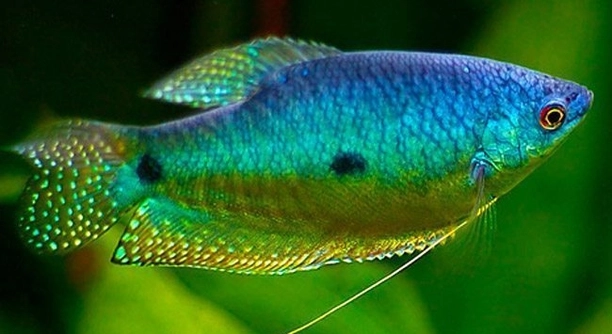
Many aquarium owners enjoy keeping gouramis because of their peaceful nature and vibrant colors. However, certain tank habits can create confusion for these fish. Understanding these habits can help maintain a healthy and calm environment for your gouramis.
Seven common tank habits, such as inconsistent feeding, overcrowding, and poor water quality, often lead to stress and confusion in gouramis. These habits disrupt their natural behavior and well-being, making it essential to recognize and adjust tank management practices accordingly.
Learning about these habits can improve your tank setup and help your gouramis feel more comfortable and secure in their home.
Overfeeding and Uneaten Food
Overfeeding is a very common mistake that can confuse gouramis. When too much food is added to the tank, it often remains uneaten and begins to decay. This affects the water quality by increasing waste levels and encouraging harmful bacteria growth. Gouramis are sensitive to changes in their environment, so poor water conditions can cause stress and unusual behavior. It’s important to feed your gouramis only what they can eat in a few minutes, usually once or twice a day. Regularly removing leftover food helps keep the tank clean and safe. A balanced feeding routine supports their health and natural instincts, making them feel secure and less confused in their environment.
Overfeeding impacts water quality and can disrupt gouramis’ natural behavior.
Keeping a controlled feeding schedule and promptly cleaning uneaten food improves water quality and reduces stress for your gouramis. It also helps maintain a balanced ecosystem inside the tank, preventing algae growth and keeping fish active and healthy. When gouramis feel secure in their surroundings, they are less likely to show signs of confusion or distress. Simple feeding habits can make a big difference in your tank’s atmosphere.
Overcrowding Effects
Overcrowding causes stress and confusion in gouramis because they need enough space to swim freely and establish territories.
Too many fish in a tank leads to competition for food, oxygen, and hiding spots. Gouramis are generally peaceful but can become aggressive or withdrawn if crowded. Overcrowding increases waste, worsening water conditions, and making it harder to maintain a clean environment. When the tank is too busy, gouramis may show erratic swimming, hiding, or loss of color. To avoid this, it’s best to follow recommended stocking guidelines and choose compatible species. Proper tank size and population balance create a peaceful habitat, reducing confusion and promoting healthy social interactions among fish. This attention to space helps gouramis thrive and behave naturally, keeping the aquarium calm and enjoyable to watch.
Inconsistent Water Conditions
Sudden changes in water temperature or chemistry confuse gouramis and cause stress.
Gouramis thrive best in stable water conditions. Frequent fluctuations in temperature, pH, or hardness can disturb their natural balance and make them anxious. These fish rely on a consistent environment to regulate their metabolism and behavior. When conditions change too quickly, gouramis may hide more or stop eating. Monitoring water parameters regularly and making slow adjustments when needed helps keep the tank stable. Using a reliable heater and testing water often ensures your gouramis feel safe and comfortable in their habitat.
Maintaining consistent water quality supports healthy behavior in gouramis. It reduces stress-related problems and encourages active swimming and feeding. Sudden water changes can disrupt their immune system, making them prone to illness. Taking time to stabilize water parameters after any change, such as water changes or adding new fish, gives gouramis a chance to adapt calmly. This patience leads to a more peaceful tank environment for both fish and owner.
Lack of Hiding Spots
Gouramis need places to hide for security and to reduce stress.
Without enough plants, caves, or decorations, gouramis may feel exposed and confused. Hiding spots allow them to escape from bright light or tank mates they want to avoid. Natural decorations like live plants create safe zones that help gouramis relax and behave normally. When they have shelter, gouramis show less aggression and are more confident exploring the tank. Providing a variety of hiding places mimics their natural environment and supports mental well-being.
Adding decorations with smooth edges and dense foliage gives gouramis refuge and helps them manage stress. It also encourages natural behaviors like resting and territorial displays. Avoid overcrowding the tank with decorations but ensure there are enough areas to retreat. This balance keeps gouramis calm and reduces erratic or nervous movements, making your aquarium a healthier home.
Incompatible Tank Mates
Certain fish species can stress gouramis and cause confusion.
Aggressive or very active tank mates may intimidate gouramis. Choosing peaceful companions helps keep the tank calm and reduces stress for all fish.
Sudden Loud Noises
Loud noises near the tank can startle gouramis and disrupt their behavior.
Gouramis are sensitive to vibrations and sudden sounds, which may cause them to hide or freeze. Keeping the aquarium in a quiet area helps maintain their comfort and natural routine.
Poor Lighting
Too much or too little light affects gouramis’ health and mood.
Proper lighting mimics their natural environment, supporting regular activity and rest cycles. Harsh or constant light can stress gouramis, while low light may cause lethargy. Adjusting light duration and intensity helps maintain their well-being.
What causes gouramis to act confused in their tank?
Gouramis can act confused when their environment is not stable or suitable for their needs. Common causes include inconsistent water conditions, overcrowding, improper feeding, and lack of hiding spaces. Sudden changes in temperature or water quality often make them stressed and disoriented. Overcrowding leads to competition and territorial disputes, which can confuse their natural behavior. When gouramis don’t have enough places to hide, they may feel exposed and act nervously. Feeding too much or too little also affects their activity and mood. Each of these factors disrupts their routine and comfort, causing unusual behaviors.
How often should I feed my gouramis to prevent confusion?
It’s best to feed gouramis small amounts once or twice daily. They should eat all the food within two to three minutes. Overfeeding leaves uneaten food that pollutes the water, while underfeeding can make them stressed and weak. Watching how much your gouramis eat and adjusting portions helps maintain their health. Using quality flakes or pellets designed for gouramis ensures they get the right nutrients. Feeding a consistent schedule also helps gouramis feel secure and reduces erratic behavior caused by hunger or excess waste.
Can tank size really affect gouramis’ behavior?
Yes, tank size greatly influences gouramis’ comfort and behavior. Small or overcrowded tanks cause stress because gouramis have limited space to swim and establish territories. They need room to move freely and hide if needed. A cramped tank often results in aggressive or shy behavior, loss of color, and slower growth. The recommended minimum tank size for most gouramis is 20 gallons, with larger tanks better for multiple fish or community setups. Providing enough space helps gouramis act naturally and reduces confusion caused by overcrowding.
What are signs that water quality is poor for gouramis?
Signs of poor water quality include cloudy or smelly water, excessive algae growth, and fish showing signs of stress like gasping at the surface or hiding. Gouramis may lose their vibrant colors, stop eating, or swim erratically when water parameters are off. Frequent illnesses or sudden deaths also indicate water problems. Testing the water regularly for ammonia, nitrite, nitrate, and pH levels helps catch issues early. Performing partial water changes and maintaining filtration keeps the water clean and safe, supporting gouramis’ well-being.
How can I create better hiding spots for my gouramis?
To improve hiding spots, add live plants, driftwood, and smooth rocks to the tank. Dense plants like Java fern or Anubias provide natural shelter and break up open spaces. Caves or decorative ornaments with smooth edges give gouramis places to retreat when stressed. Avoid overcrowding the tank with decorations, but ensure there are multiple hiding options spread throughout. These refuges help gouramis feel safe and reduce nervous or aggressive behaviors. Changing the layout occasionally can also stimulate natural exploration and reduce boredom.
Do gouramis get stressed by tank mates?
Yes, certain tank mates can stress gouramis. Aggressive or overly active fish may bully or intimidate them. Even very shy or fast-moving species can cause anxiety. Gouramis prefer peaceful companions that occupy different areas of the tank and have similar water needs. Avoid keeping gouramis with large, aggressive cichlids or fin-nipping fish like tiger barbs. Ideal tank mates include smaller tetras, rasboras, and peaceful bottom dwellers. A well-chosen community reduces stress and confusion, helping gouramis thrive.
What role does lighting play in gouramis’ behavior?
Lighting affects gouramis’ activity, mood, and health. Too bright or constant lighting can cause stress, making gouramis hide or become restless. Too little light may reduce their activity and dull their colors. Gouramis benefit from a natural light cycle—about 8 to 10 hours of moderate light daily followed by darkness. Using adjustable LED lights or placing the tank in a location with indirect natural light helps simulate this cycle. Proper lighting supports feeding habits and overall well-being.
Are sudden noises really a problem for gouramis?
Sudden loud noises or vibrations can startle gouramis and disrupt their behavior. These fish are sensitive to changes around their tank and may respond by freezing, darting, or hiding. Placing the aquarium in a quiet area away from heavy foot traffic, televisions, or loud music helps reduce this stress. Maintaining a calm environment allows gouramis to feel safe and behave naturally, without the confusion caused by frequent disturbances.
Gouramis are beautiful and peaceful fish that can bring a lot of life to a home aquarium. However, they are sensitive to many aspects of their environment, and certain tank habits can confuse them. Understanding how things like feeding habits, tank size, water quality, and tank mates affect their behavior is important for anyone keeping these fish. When these factors are not managed well, gouramis may become stressed, hide more often, or act strangely. These behaviors are signs that something in the tank needs attention or improvement.
Keeping a stable and clean tank is key to helping gouramis feel comfortable. Feeding them the right amount of food at regular times, avoiding overcrowding, and maintaining consistent water conditions all support their health and natural behavior. Gouramis also need enough space and places to hide so they can rest and feel safe. The tank should be quiet and well-lit with a natural day and night cycle. Avoiding sudden changes, loud noises, or aggressive tank mates will help prevent confusion and stress. Making these adjustments creates a calm environment where gouramis can thrive.
In the end, paying attention to these simple but important habits will make a big difference in how your gouramis live and behave. A little effort in proper feeding, tank maintenance, and decoration goes a long way in supporting their well-being. When gouramis feel secure and their needs are met, they are more likely to show their natural colors and personalities. Keeping these habits in mind ensures that your aquarium remains a healthy and peaceful place for gouramis and other fish alike.

Hello,
If you enjoy the content that we create, please consider saying a "Thank You!" by leaving a tip.
Every little bit helps us continue crafting quality advice that supports the health, happiness, and well-being of pets around the world, for pets of all shapes, sizes, and species.
We really appreciate the kindness and support that you show us!