
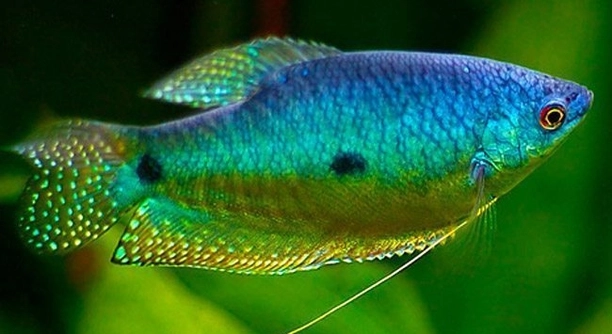
Gouramis are popular freshwater fish known for their calm behavior and unique swimming habits. Many aquarists notice them often hovering in one spot, which can seem unusual at first glance. This behavior is quite common and part of their natural instincts.
Gouramis hover in one spot mainly to rest, observe their surroundings, or maintain territory. This behavior helps them conserve energy, avoid predators, and communicate with other fish through body language and movement.
Understanding why gouramis hover can improve your care routine and deepen your appreciation for these fascinating fish. There are several reasons behind this quiet behavior worth exploring.
Reasons Gouramis Hover in One Spot
Gouramis often hover to rest or stay alert to their environment. This behavior allows them to save energy while still watching for food or potential threats. They also use this stillness to communicate with other fish, signaling territory or readiness to mate. Hovering helps them control their breathing since gouramis can breathe air using their labyrinth organ, making it easier for them to regulate oxygen intake when staying near the water surface. Sometimes, they hover because the water conditions are just right—temperature, oxygen, and flow—so they don’t need to move much. You might also notice this behavior if they are feeling slightly stressed or sick, which means monitoring water quality is essential. Overall, hovering is a natural part of how gouramis interact with their environment and other fish.
Hovering is a calm, energy-saving behavior that helps gouramis stay aware and maintain good health in their tank.
Understanding these reasons helps you spot when your gourami is comfortable or if something might need attention in their tank setup.
How to Support Your Gourami’s Natural Behavior
Encouraging natural behaviors like hovering involves creating a comfortable and stable environment. Gouramis prefer calm waters with places to hide and rest. Adding plants, driftwood, or decorations gives them spots to hover safely. Maintaining steady water temperature and good oxygen levels is important, so avoid strong currents. Regular water changes keep conditions ideal and reduce stress. Observing your gourami’s behavior helps you notice changes quickly, ensuring they stay healthy and active. Providing a balanced diet also supports their energy needs for both resting and swimming. When gouramis feel secure and cared for, they will exhibit natural behaviors like hovering calmly, which is a good sign of their well-being. Keeping the tank clean and stable makes hovering a normal, relaxed activity for your fish.
Signs That Hovering Means Stress
Hovering can sometimes indicate stress or discomfort in gouramis. If your fish stays in one spot for too long without moving much, it could be a warning sign. Watch for other behaviors like rapid breathing, clamped fins, or loss of appetite. These signs together suggest your gourami may be unhappy or unhealthy.
Stress in gouramis often comes from poor water quality, overcrowding, or sudden changes in temperature. If the tank is dirty or the water parameters aren’t right, gouramis may hover more as they try to cope. Loud noises or aggressive tank mates can also make them feel threatened. Keeping their environment stable and calm helps reduce this kind of stress.
If stress persists, your gourami may become weak or sick. Regular water tests and gentle handling can prevent problems. Always check for illness symptoms like discoloration or lethargy, and consider quarantining new fish to avoid disease.
Creating a Comfortable Space for Your Gourami
Providing a peaceful tank environment helps gouramis feel safe and encourages natural behaviors like hovering. Use live plants or decorations to create hiding spots and reduce stress. Gouramis appreciate places to rest near the surface where they can easily breathe air. Avoid overcrowding the tank, as too many fish increase tension and competition. Maintain a consistent temperature between 74°F and 82°F and test water regularly for ammonia, nitrite, and nitrate levels. Gentle water flow is ideal, so keep strong filters or pumps to a minimum. This setup supports their natural needs and promotes overall well-being. When gouramis feel secure, their hovering is relaxed and purposeful rather than a sign of distress. Regular care and observation make all the difference in creating a happy environment.
How Gouramis Use Hovering to Communicate
Gouramis use hovering to show territory or signal readiness to mate. Staying still lets other fish know they are present without being aggressive. This subtle behavior helps maintain peace in the tank.
Hovering also helps gouramis watch for threats or food while conserving energy. It’s a quiet way to stay aware.
The Role of the Labyrinth Organ in Hovering
The labyrinth organ allows gouramis to breathe air directly from the surface. When they hover near the top, they can easily take in oxygen, especially if the water oxygen level is low. This adaptation helps gouramis survive in slow-moving or oxygen-poor waters. Hovering near the surface is often linked to this breathing method rather than just resting.
When to Be Concerned About Hovering
If your gourami is hovering but also shows signs of illness, action is needed. Look for unusual spots, swelling, or lethargy. Early attention can prevent bigger problems.
FAQ
Why does my gourami hover mostly at the water surface?
Gouramis have a special organ called the labyrinth organ that allows them to breathe air directly from the surface. When they hover near the top, it’s usually because they are taking in oxygen. This is normal behavior, especially if the oxygen levels in the water are low or the tank is warm. Hovering at the surface helps them get enough air without needing to swim around constantly.
Is hovering a sign my gourami is sick?
Not always. Gouramis naturally hover to rest, watch their surroundings, or breathe air. However, if your fish is hovering and showing other signs like clamped fins, loss of appetite, or unusual spots on its body, it may be sick. Stress, poor water quality, or illness can cause abnormal hovering, so it’s important to check water parameters and observe other behaviors.
Can hovering mean my gourami is stressed?
Yes, hovering can be a sign of stress. Stress factors include overcrowding, aggressive tank mates, sudden water changes, or poor water conditions. When stressed, gouramis might hover in one spot, breathe rapidly, or try to hide. Ensuring a calm environment, stable water quality, and enough hiding places reduces stress and encourages natural behavior.
How can I make my gourami feel comfortable in the tank?
Create a peaceful environment with plenty of plants, decorations, and hiding spots. Keep the water temperature steady between 74°F and 82°F, and test for ammonia, nitrites, and nitrates regularly. Avoid overcrowding and strong water currents. Feeding a balanced diet and doing regular water changes also helps keep gouramis healthy and calm.
Is it normal for gouramis to stay still for long periods?
Yes, gouramis often stay still to conserve energy and rest. Unlike many fish that swim constantly, gouramis prefer hovering in one spot as part of their natural behavior. They stay alert but relaxed, waiting for food or monitoring their surroundings. This stillness is normal unless accompanied by signs of illness or stress.
Why do gouramis hover near plants or decorations?
Gouramis feel safer near plants or decorations because these provide shelter and hiding places. Hovering near these spots helps them avoid threats and reduces stress. It also mimics their natural habitat where they would find cover among aquatic plants. Providing these spaces in your tank supports their natural instincts and makes them feel secure.
Should I worry if my gourami hovers more than usual?
If your gourami suddenly starts hovering much more than before, it’s worth checking the tank conditions. Changes in water temperature, oxygen levels, or tank mates can cause this behavior. Monitor water quality, observe your fish for other symptoms, and adjust the environment as needed. Sometimes, hovering more often is just a temporary response to a small change.
Can gouramis hover to communicate with other fish?
Yes, gouramis use hovering as a form of communication. By staying still in a certain area, they can mark their territory or signal readiness to breed. This behavior helps reduce fights and keeps social order within the tank. Hovering lets them send subtle messages without aggression.
What should I do if my gourami’s hovering seems abnormal?
First, test your water for ammonia, nitrite, nitrate, and pH levels. Poor water quality often causes unusual behavior. Check the tank temperature and ensure it is stable. Observe for signs of illness like spots, swelling, or lethargy. If you suspect disease, consider consulting a vet or aquarium expert. Regular tank maintenance and a stress-free environment are key to preventing problems.
Does feeding affect how much gouramis hover?
Yes, feeding can influence hovering. Well-fed gouramis might rest more after meals, hovering to digest food calmly. If they’re hungry, they may move around more looking for food. Offering a balanced diet on a regular schedule helps keep their activity normal. Avoid overfeeding, which can pollute the tank and stress your fish.
Can water flow impact gourami hovering behavior?
Strong water currents can make gouramis uncomfortable and cause them to hover in calmer areas. Gouramis prefer gentle water flow, so reducing pump speed or adding plants to break currents helps. When water flow is too strong, they may hover more just to stay in place, which can increase stress.
How do tank mates affect gourami hovering?
Aggressive or overly active tank mates may stress gouramis, causing them to hover more to avoid conflict. Peaceful companions encourage relaxed behavior. If your gourami is constantly hiding or hovering nervously, consider rearranging the tank or separating aggressive fish to improve harmony.
Is it normal for gouramis to hover during breeding?
Yes, hovering is common during breeding. Males often hover near bubble nests to guard eggs or show readiness to mate. This stillness is part of their natural breeding behavior. Providing proper conditions and space helps support this.
Can I encourage my gourami to move more instead of hovering?
Encouraging movement can be done by adding variety to the tank, such as floating plants or gentle currents. Feeding live or frozen foods stimulates natural hunting instincts, making them swim more. However, remember that some hovering is normal and healthy rest. Balance activity and rest for their well-being.
Gouramis hovering in one spot is a natural and common behavior. It helps them rest, watch their surroundings, and breathe air using their special labyrinth organ. This behavior is usually a sign that the fish feels comfortable and secure in its environment. When gouramis hover calmly near plants or decorations, it means they are at ease and using the space to feel safe. Watching your gourami hover can give you insight into how it is feeling and help you better understand its needs. This calm behavior is part of what makes gouramis interesting to keep in a home aquarium.
However, hovering can also indicate problems if it happens with other unusual signs. If your gourami is hovering but also showing rapid breathing, loss of appetite, or clamped fins, it may be stressed or sick. Poor water quality, sudden changes in the tank, or aggressive tank mates can cause stress and lead to excessive hovering. It is important to keep your tank clean, maintain stable water conditions, and provide a peaceful environment. By doing this, you reduce the chances of your fish feeling unsafe or uncomfortable. Regular observation helps catch problems early and ensures your gourami stays healthy.
Taking care of your gourami’s environment is key to seeing natural and healthy behavior like hovering. Make sure the tank has plenty of plants and places to hide. Keep the temperature steady, avoid overcrowding, and provide clean water with good oxygen levels. Feeding a balanced diet and avoiding sudden changes in the tank also helps. When gouramis feel secure, their hovering is a calm, natural behavior rather than a sign of distress. Paying attention to these details makes your aquarium a better home for your fish, helping them thrive and making your experience more enjoyable.

Hello,
If you enjoy the content that we create, please consider saying a "Thank You!" by leaving a tip.
Every little bit helps us continue crafting quality advice that supports the health, happiness, and well-being of pets around the world, for pets of all shapes, sizes, and species.
We really appreciate the kindness and support that you show us!