
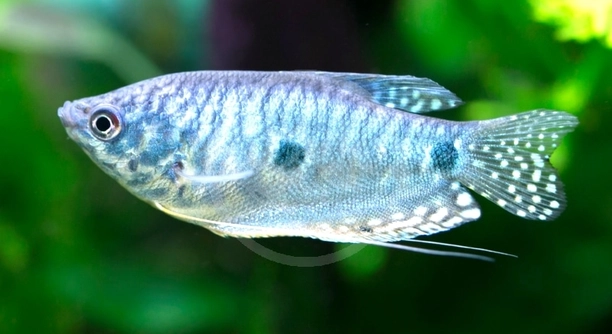
Gouramis are popular aquarium fish known for their peaceful nature and beautiful colors. However, sometimes they can show sudden aggression that surprises their owners. Understanding why this happens can help maintain harmony in your tank.
Sudden aggression in gouramis can be caused by several factors including territorial behavior, stress, overcrowding, poor water quality, hormonal changes, lack of hiding spots, and incompatible tank mates. Each of these can trigger defensive or aggressive responses in these fish.
Knowing the reasons behind this behavior can help you create a better environment for your gouramis and reduce conflicts in your aquarium.
Territorial Behavior in Gouramis
Gouramis naturally establish territories, especially males. When they feel their space is threatened, they may act aggressively to defend it. This behavior is more noticeable in smaller tanks where space is limited. Gouramis flare their fins and chase other fish to show dominance. In community tanks, territorial fights can escalate quickly if there aren’t enough hiding spots. It is important to observe your gouramis’ interactions and recognize when one is becoming too dominant. Providing more space or rearranging the tank decorations can reduce territorial disputes. Territorial aggression is a sign that your gouramis are trying to protect their area, not just acting out of sudden anger. Keeping tank mates with similar temperaments also helps keep peace in the aquarium. Watching for these signs early can prevent stress and injury among your fish.
Territorial behavior mostly appears in male gouramis but can affect other fish if space is tight.
Proper tank setup and attention to your gouramis’ behavior can help reduce territorial aggression and keep your fish calmer.
Stress and Its Impact on Aggression
Stress is a major trigger for sudden aggression in gouramis. Factors such as poor water quality, sudden changes in temperature, or loud noises can cause stress. When stressed, gouramis may become defensive or attack other fish. It is important to maintain stable water conditions and avoid overcrowding to reduce stress levels. Providing plants and hiding spots helps gouramis feel secure. Stress can also weaken their immune system, making them more vulnerable to illness. In many cases, aggression is a symptom of an unhappy or uncomfortable fish. Regular tank maintenance and careful monitoring of water parameters go a long way in preventing stress-related problems. Recognizing signs of stress early, like rapid breathing or hiding, allows you to act quickly before aggression becomes a serious issue. Taking care of your gouramis’ environment benefits their health and temperament.
Overcrowding and Its Effects
Too many fish in one tank cause overcrowding, which increases aggression in gouramis. When space is limited, they compete for territory, food, and hiding spots. This competition often leads to fights.
Overcrowding raises stress levels and disrupts normal behavior. Gouramis become more defensive and less tolerant of tank mates. Aggressive displays like chasing and fin nipping become frequent. In crowded tanks, weaker or smaller fish often suffer injuries. Poor water circulation and increased waste worsen water quality, adding to stress. To reduce aggression caused by overcrowding, it’s important to provide enough space. A general rule is one gallon of water per inch of fish, but gouramis may need more room to feel comfortable. Rearranging or splitting tanks can help keep fish healthy and less aggressive.
Giving gouramis enough space is essential to maintain a peaceful tank environment where they can thrive.
Hormonal Changes and Breeding Behavior
Hormonal shifts during breeding season often cause gouramis to act more aggressively. Males especially become territorial and protective over nesting areas. This behavior can last for weeks.
Breeding behavior causes males to flare fins, chase rivals, and guard eggs or fry fiercely. This natural instinct increases their aggression temporarily but usually fades after breeding. In community tanks, other fish may be stressed by the male’s intense defense. Providing separate breeding tanks or hiding spots helps reduce conflict during this time. Understanding that aggression is linked to reproduction can help you manage it better. It’s also a sign your gouramis are healthy and ready to breed, which can be rewarding for aquarists. Monitoring their behavior closely during breeding times allows timely intervention if aggression becomes harmful.
Poor Water Quality
Poor water quality stresses gouramis, making them more aggressive. High ammonia, nitrite, or nitrate levels irritate their skin and gills, causing discomfort.
Regular water changes and testing help keep the environment healthy. Clean water reduces stress and limits aggressive behavior, promoting peaceful interactions.
Lack of Hiding Spots
Gouramis need places to hide and feel safe. Without enough shelter, they become anxious and more likely to act aggressively.
Adding plants, caves, or decorations helps reduce stress and gives them spaces to escape conflicts. This creates a calmer tank overall.
Incompatible Tank Mates
Some fish species don’t get along with gouramis. Aggression can increase when gouramis are housed with overly aggressive or very active fish.
Choosing peaceful tank mates that match the gouramis’ temperament helps keep aggression low and encourages harmony within the aquarium.
FAQ
Why do gouramis suddenly become aggressive even if they were peaceful before?
Sudden aggression in gouramis can result from changes in their environment or social structure. Stress from poor water conditions, overcrowding, or new tank mates can trigger this shift. Hormonal changes, especially during breeding periods, also cause temporary aggression. Even subtle changes in tank layout or lighting may make gouramis feel insecure, leading to defensive behavior.
How can I tell if my gourami’s aggression is due to stress?
Signs of stress-related aggression include frequent hiding, erratic swimming, loss of appetite, and fin damage from fights. Stressed gouramis may flare their fins more often or chase other fish aggressively. Testing water quality and observing recent tank changes can help identify stress causes. Reducing stress usually lowers aggression quickly.
Can aggressive behavior harm my gouramis?
Yes, aggressive fights can cause physical injuries like torn fins or bruises. Repeated stress from aggression weakens their immune system, making them prone to illness. It’s important to address aggression early to protect your gouramis’ health and prevent long-term damage.
What is the best way to reduce aggression caused by territorial behavior?
Providing enough space and hiding places reduces territorial fights. Rearranging tank decorations often breaks established territories, lowering aggression. Avoid keeping too many males together, as they are more territorial. Separating aggressive individuals or moving them to different tanks may be necessary in extreme cases.
How often should I check water quality to prevent aggression?
Regular water testing should be done at least once a week. Monitoring ammonia, nitrite, nitrate, and pH levels helps maintain a healthy environment. Frequent water changes and proper filtration reduce stress and aggressive behavior. Keeping stable water parameters is key to peaceful gouramis.
Are there specific tank mates that help reduce gourami aggression?
Choosing peaceful, similarly sized fish that don’t compete for the same territory helps. Avoid overly active or aggressive species that may provoke gouramis. Good tank mates include small tetras, rasboras, and peaceful catfish. Introducing new fish slowly and observing interactions can prevent conflicts.
What should I do if my gouramis start fighting during breeding?
Breeding males become protective and aggressive, which is normal. Providing a separate breeding tank or plenty of hiding spots can protect other fish. After spawning, removing the male or eggs to a safer environment may be necessary. Keeping calm surroundings and stable conditions supports successful breeding with minimal aggression.
Can changes in tank setup trigger sudden aggression?
Yes, moving decorations or changing lighting can disturb gouramis’ established territories, causing temporary aggression. Gradual changes and providing plenty of cover help reduce this effect. Observing their reactions after rearranging allows quick adjustments to maintain peace.
How can I calm an aggressive gourami without separating it?
Improving water quality, adding plants or caves, and reducing tank crowding can calm aggressive gouramis. Feeding high-quality food and maintaining stable conditions also help. Sometimes adding peaceful tank mates distracts them and lowers aggression naturally.
Is aggressive behavior in gouramis permanent?
Usually, aggression is temporary and linked to specific causes like stress or breeding. With proper care and environment adjustments, gouramis often return to their peaceful nature. Continuous aggression may indicate health problems or unsuitable tank conditions that need attention.
How do I safely separate aggressive gouramis?
Use a temporary tank or breeder box to isolate aggressive fish. Ensure the water parameters match the main tank to reduce stress. Provide hiding spots and keep separated gouramis comfortable until behavior improves or permanent solutions are found.
Can diet affect gourami aggression?
A poor diet can increase stress and irritability in gouramis. Feeding balanced, nutritious food supports their health and reduces aggression. Overfeeding or sudden diet changes can also cause problems, so stick to a consistent feeding schedule.
What role does tank size play in gourami aggression?
Smaller tanks limit space and increase competition, often triggering aggression. Larger tanks allow gouramis to establish territories without constant conflict. Providing enough room is one of the simplest ways to minimize fights and keep your fish calm.
How long does it take for gouramis to settle after adding new fish?
It can take days to weeks for gouramis to adjust to new tank mates. Initial aggression is normal but should decrease over time. Introducing new fish slowly and providing plenty of hiding spots helps speed up the settling process.
Are certain gourami species more aggressive than others?
Yes, some gourami species like the Three-spot or Pearl gourami are generally more territorial. Dwarf gouramis tend to be more peaceful but can still show aggression if stressed or overcrowded. Knowing your species’ typical behavior helps manage aggression better.
What are signs that aggression is causing harm in the tank?
Visible injuries, torn fins, constant chasing, and fish hiding for long periods are clear signs. If aggression leads to poor health or death, immediate action is needed. Regular observation and quick intervention protect your gouramis from serious harm.
Understanding sudden aggression in gouramis helps create a peaceful aquarium. Gouramis usually have calm personalities, but various factors can make them act differently. Knowing what causes their aggressive behavior allows you to handle these situations calmly and effectively. Whether it is territorial disputes, stress from poor water quality, or hormonal changes during breeding, each cause has a solution that can improve your fish’s wellbeing.
Taking care of gouramis means paying attention to their environment. Proper tank size, clean water, and enough hiding spots reduce conflicts. Also, selecting compatible tank mates can prevent many problems. Sometimes aggression is a temporary phase, especially during breeding, but it is important not to ignore signs of stress or injury. Regular observation and maintenance make a big difference in keeping your gouramis healthy and less aggressive.
Keeping gouramis happy requires patience and care. Changes to their tank or routine should be done gradually to avoid upsetting them. When aggression happens, respond quickly by checking water quality, adjusting the tank setup, or separating fish if needed. With consistent effort, gouramis usually return to their peaceful nature. This makes the aquarium more enjoyable for you and healthier for your fish.

Hello,
If you enjoy the content that we create, please consider saying a "Thank You!" by leaving a tip.
Every little bit helps us continue crafting quality advice that supports the health, happiness, and well-being of pets around the world, for pets of all shapes, sizes, and species.
We really appreciate the kindness and support that you show us!