
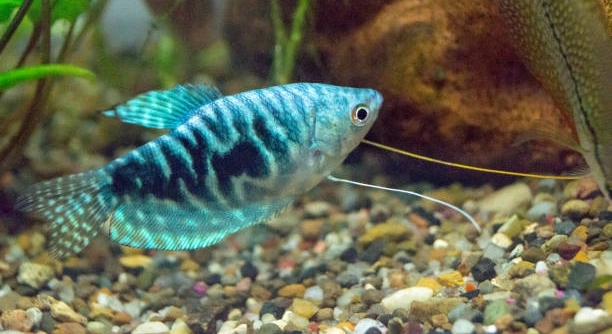
Is your gourami suddenly swimming upside down and acting unusually? This behavior can be worrying for any fish owner. Gouramis are typically graceful swimmers, so seeing them in this position often signals an underlying issue that needs attention.
Upside-down swimming in gouramis is usually caused by swim bladder disorder, which affects buoyancy control. This condition can result from poor water quality, infections, physical injury, or improper diet. Identifying and addressing these causes is essential for restoring normal swimming behavior.
Understanding why your gourami behaves this way can help you respond appropriately. The following information explains common causes and practical steps to improve your fish’s health and comfort.
Causes of Upside-Down Swimming in Gouramis
Upside-down swimming in gouramis is most commonly linked to swim bladder disorder. The swim bladder is an internal organ that helps fish control their buoyancy and stay balanced in the water. When it malfunctions, the fish struggles to maintain a normal position. This disorder can develop from several factors. Poor water quality, including high ammonia or nitrite levels, stresses the fish and can damage the swim bladder. Bacterial or parasitic infections may also inflame the organ, leading to buoyancy problems. Physical injuries, often caused by rough handling or sharp objects in the tank, can impair swim bladder function. Additionally, diet plays a significant role; overfeeding or feeding low-quality food can cause constipation or internal blockages that affect swimming. Regular water changes, a clean environment, and a balanced diet are essential to prevent these issues. Recognizing these causes early can help you act before the condition worsens.
Maintaining proper water conditions and avoiding sudden diet changes reduces the risk of swim bladder problems in gouramis.
Addressing swim bladder disorder involves both treatment and prevention. First, improve water quality with frequent testing and water changes to reduce harmful chemicals. Feed your gourami easily digestible foods, like frozen or live brine shrimp, to avoid constipation. Avoid overfeeding by providing small, measured portions once or twice daily. If an infection is suspected, consider consulting a vet or using appropriate antibiotics after confirming the diagnosis. Removing sharp decorations and ensuring the tank is safe prevents injuries. Monitoring your gourami closely will help catch early signs of distress. These steps combined help restore your fish’s balance and overall health, allowing it to swim normally again.
How to Help Your Gourami Recover
Correcting the environment is the first step to recovery. Remove any potential stressors and keep the tank clean.
Patience is necessary when treating swim bladder disorder. Recovery can take days to weeks depending on severity. Be consistent with water changes and feeding schedules. If symptoms persist beyond two weeks, seek professional advice for further treatment options. Providing a stable, stress-free environment supports your gourami’s healing and long-term well-being.
Diagnosing Swim Bladder Issues
Observing your gourami’s behavior closely helps confirm swim bladder problems. Look for signs such as floating upside down, difficulty swimming, or struggling to stay upright.
Physical examination is limited, but noting changes in appetite, lethargy, or abnormal swimming patterns supports diagnosis. Test the water for ammonia, nitrites, nitrates, and pH levels, as poor water conditions often contribute to the issue. Monitoring diet is important; constipation can cause similar symptoms.
If unsure, consult a veterinarian or experienced aquarist for accurate diagnosis. They may suggest treatments based on symptoms or water test results. Timely diagnosis improves the chances of recovery and reduces stress on the fish.
Preventing Future Problems
Keeping your gourami’s environment stable is key to preventing swim bladder issues. Regular water changes and maintaining clean filters reduce harmful toxins.
Feed a varied, balanced diet with quality pellets or flakes, supplemented by occasional live or frozen foods. Avoid overfeeding and remove uneaten food promptly to maintain water quality. Keep the tank free of sharp or rough decorations to prevent injuries. Monitor water temperature and pH to keep conditions consistent. Stress from overcrowding or sudden changes can also lead to swim bladder problems, so maintain a calm, well-managed tank. Regular observation helps catch issues early.
Common Mistakes to Avoid
Overfeeding is a frequent mistake that can cause constipation and swim bladder issues. Feeding small portions at regular intervals helps prevent this problem.
Ignoring water quality is another common error. Regular testing and maintenance keep the tank environment healthy for your gourami’s well-being.
Treating Swim Bladder Disorder at Home
Raising the water temperature slightly can improve your gourami’s metabolism and digestion, aiding recovery. Fasting the fish for 24 to 48 hours often helps relieve constipation. Feeding a peeled, cooked pea is a gentle remedy to clear blockages in the digestive tract. These simple home treatments support swim bladder health but must be combined with good tank maintenance. If symptoms persist or worsen, professional advice is necessary to avoid complications.
When to Seek Professional Help
If your gourami shows no improvement after two weeks of home care, contacting a veterinarian is important. Persistent symptoms may indicate infection or other underlying health problems requiring medication or advanced treatment.
FAQ
Why is my gourami swimming upside down suddenly?
Sudden upside-down swimming usually indicates swim bladder disorder. This condition affects the fish’s ability to control buoyancy and maintain balance. Causes can include poor water quality, infections, constipation, or physical injury. Sudden changes in environment or diet can also trigger the problem.
Can water quality really affect my gourami’s swimming?
Yes. Ammonia, nitrite, and nitrate levels outside the safe range create a toxic environment, stressing the fish and potentially damaging internal organs like the swim bladder. Maintaining clean water with regular changes and proper filtration is essential to prevent swim bladder issues and other health problems.
How often should I feed my gourami to avoid swim bladder problems?
Feed small portions once or twice daily. Overfeeding can cause constipation, which affects the swim bladder. Remove uneaten food promptly to avoid water pollution. Using a balanced diet with high-quality pellets and occasional live or frozen foods supports digestive health.
Is it normal for gouramis to swim upside down occasionally?
No, it is not normal. Occasional upside-down swimming usually signals distress. Healthy gouramis swim upright and smoothly. If you notice this behavior, it is important to check water conditions, diet, and health immediately.
Can swim bladder disorder be cured at home?
Many mild cases can be managed at home by improving water quality, fasting the fish for a day or two, and feeding a peeled, cooked pea to relieve constipation. Raising the water temperature slightly can also help. Persistent or severe cases require professional treatment.
Are infections common causes of swim bladder issues?
Yes. Bacterial and parasitic infections can inflame or damage the swim bladder. These infections often occur due to poor water quality or stress. Signs include lethargy, loss of appetite, and abnormal swimming. If infection is suspected, veterinary advice and treatment are necessary.
Should I remove decorations from the tank during treatment?
It is a good idea to remove sharp or rough decorations that could injure your gourami while it recovers. Provide a safe, clear space to reduce stress and prevent further damage to the swim bladder or fins.
How long does it take for a gourami to recover from swim bladder disorder?
Recovery time varies. Mild cases may improve within a few days with proper care. More severe cases can take weeks. Consistent water quality management, diet adjustments, and observation are important during recovery. If no improvement occurs after two weeks, seek professional help.
Can changing the tank temperature help?
Slightly raising the water temperature (around 2-3 degrees Celsius) can boost your gourami’s metabolism and digestion, which helps reduce constipation and supports swim bladder function. Avoid sudden or extreme temperature changes, as they can stress the fish further.
Is constipation the only dietary cause of swim bladder problems?
Constipation is the most common dietary cause, but feeding poor-quality or unsuitable foods can also affect the swim bladder indirectly by weakening the fish’s immune system or causing digestive issues. A varied, balanced diet is important for overall health and buoyancy control.
Can swim bladder disorder be prevented?
Yes. Preventing swim bladder disorder involves maintaining good water quality, feeding appropriate amounts and types of food, avoiding injuries, and reducing stress factors like overcrowding or sudden environmental changes. Regular observation allows early detection and treatment.
What signs show my gourami is getting better?
Improved swimming posture, steady movement, normal appetite, and increased activity are good signs. The fish should be able to swim upright and control its position in the water. Consistent positive changes indicate recovery.
Is it harmful if the gourami swims upside down all the time?
Yes. Prolonged upside-down swimming indicates a serious problem. It can lead to exhaustion, inability to feed properly, and increased vulnerability to infections. Prompt action is necessary to prevent worsening health or death.
Can other fish in the tank affect my gourami’s swim bladder?
Aggressive tank mates can stress your gourami, weakening its immune system and making it more prone to swim bladder problems. Keeping compatible species together and avoiding overcrowding helps maintain a healthy environment.
What should I do if my gourami stops eating?
Loss of appetite often accompanies swim bladder disorder and infections. Try fasting the fish for a day or two, then offer easily digestible foods like brine shrimp or cooked peas. If it continues refusing food, seek veterinary advice, as this could indicate a serious issue.
Are there medications to treat swim bladder disorder?
Medications are available but should be used only after a proper diagnosis. Antibiotics can treat bacterial infections affecting the swim bladder, but inappropriate use may harm the fish or beneficial bacteria in the tank. Always consult a vet before administering medication.
Can stress cause swim bladder problems in gouramis?
Yes. Stress from poor water conditions, aggressive tank mates, overcrowding, or sudden changes can trigger swim bladder issues. Reducing stress through stable tank conditions and a peaceful environment supports your gourami’s health and swimming ability.
Is fasting safe for gouramis?
Short fasting periods (24-48 hours) are safe and often recommended to help clear constipation related to swim bladder disorder. Overfeeding is a common cause of digestive issues, so controlled feeding supports better health.
How do I keep my gourami’s tank safe for it?
Use smooth decorations without sharp edges, maintain proper water parameters, and avoid overcrowding. Provide hiding spots to reduce stress, but ensure enough open swimming space. Regular cleaning and monitoring support a safe habitat.
Can a damaged swim bladder heal fully?
Minor damage can heal if treated early and conditions improve. Severe damage may cause lasting issues or require ongoing care. Consistent maintenance and prompt treatment improve chances of full recovery.
What is the role of water pH in gourami health?
Gouramis prefer slightly acidic to neutral water (pH 6.0–7.5). pH outside this range can stress the fish and impact organ function, including the swim bladder. Regular testing and adjustments help maintain ideal conditions.
Final Thoughts
Swim bladder disorder is a common issue that can cause your gourami to swim upside down or struggle to maintain balance. It often results from poor water quality, overfeeding, infections, or injuries. Understanding these factors helps in preventing the problem before it starts. Maintaining a clean and stable tank environment, feeding your gourami appropriately, and observing its behavior regularly are key steps to support its health. Early detection and care can make a significant difference in your fish’s recovery.
Home treatment methods like fasting, feeding cooked peas, and slightly raising the water temperature can help many gouramis recover from swim bladder problems. These actions improve digestion and reduce constipation, which are often linked to buoyancy issues. However, not every case responds to home care. If your gourami does not improve after consistent treatment, it is important to seek professional advice. A veterinarian can provide accurate diagnosis and prescribe necessary medications to address infections or other underlying causes.
Preventing swim bladder disorder involves ongoing attention to your gourami’s environment and habits. Regular water testing, proper feeding routines, and avoiding overcrowding reduce stress and promote well-being. Removing sharp decorations and providing enough space for swimming also help prevent injury. Keeping your gourami healthy requires consistent effort but ensures a happier and more active fish. By following these guidelines, you can reduce the chances of swim bladder issues and enjoy your gourami’s natural swimming behavior for years to come.

Hello,
If you enjoy the content that we create, please consider saying a "Thank You!" by leaving a tip.
Every little bit helps us continue crafting quality advice that supports the health, happiness, and well-being of pets around the world, for pets of all shapes, sizes, and species.
We really appreciate the kindness and support that you show us!