
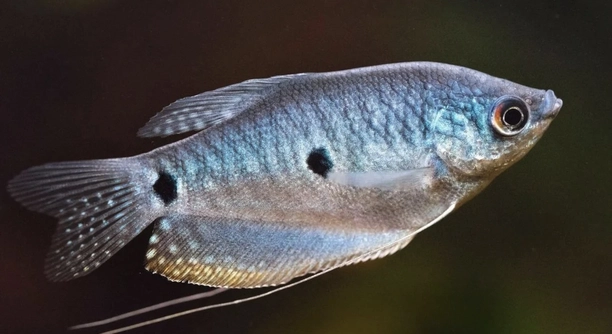
Are your gourami spending more time together, moving in sync, or gently circling one another in the tank lately? These subtle behaviors might mean something more than just shared space or curiosity.
Gourami may form bonds through synchronized swimming, mutual grooming, shared hiding spots, and reduced aggression. These signs suggest familiarity, comfort, and possible pair formation, especially among compatible species or in stable, stress-free environments with proper care and tank conditions.
Small changes in behavior can indicate a meaningful connection. Learning these clues can help you better support your gourami’s social and emotional well-being.
Increased Swimming Synchronization
Gourami that are forming a bond often start swimming in sync. You may notice them moving side by side or turning together with a natural rhythm. This behavior shows they’re aware of each other’s presence and are comfortable sharing space. It usually begins subtly, then becomes more consistent over time. In a community tank, this can be an early sign of pairing. Bonded gourami often mirror each other’s actions, whether it’s exploring decorations or gliding through plants. This level of coordination doesn’t typically happen with unfamiliar tank mates, making it a reliable clue to watch for when observing potential bonding behavior.
This synchronized swimming is more than coincidence. It reflects familiarity and mutual comfort between the two fish.
Pay attention to how frequently they swim together. If it’s happening daily, there’s a high chance they’re building a stable connection. Keep the environment calm and avoid sudden changes in the tank.
Reduced Aggression Between the Pair
A noticeable drop in aggression between two gourami can signal the start of bonding. Instead of flaring fins or chasing, they may rest near each other without conflict or tension.
Aggressive behavior in gourami, especially males, is common in territorial settings or when tank conditions are off balance. When two gourami reduce these displays and begin tolerating close presence, it often means they are forming trust. This trust develops gradually and depends on tank stability, adequate space, and limited competition. Consistent water parameters, plenty of hiding spots, and a stress-free setup make bonding more likely. When aggression decreases and peaceful cohabitation begins, it’s a strong sign that the relationship is moving beyond simple tolerance. You may also notice less hiding and more visible interaction during feeding or resting periods. Reducing triggers like overcrowding or poor water quality helps maintain this positive shift in behavior. Once aggression lowers consistently, it’s a promising step in bond formation.
Shared Hiding Spots
When two gourami begin using the same hiding spots, it often shows a level of trust between them. Most fish prefer having their own space, so willingly sharing a cave, plant cover, or ornament signals growing comfort.
This behavior can be especially noticeable during resting periods or when they feel stressed. Instead of scattering or seeking separate shelter, bonded gourami may choose to remain near each other in the same hiding spot. This consistent choice isn’t about a lack of space—it reflects a desire for proximity. A bonded pair will often settle quietly together, showing relaxed body posture and slow fin movement. If you rearrange the tank and they continue to share new shelters, it’s another strong indication of their bond. These moments are often subtle, but they reflect deepening trust and familiarity between the fish.
Keep the tank environment consistent. Changes in layout can disrupt their shared comfort and lead to temporary separation.
Gentle Physical Contact
Gourami don’t usually touch unless there’s aggression or reproduction. If two are often close, lightly brushing fins or swimming shoulder-to-shoulder without flaring or darting away, it’s a sign they’re building trust and communication.
Gentle contact is one of the more personal behaviors gourami show when they bond. It isn’t rough or invasive like chasing—it’s calm, sometimes even slow. You might see them lightly touching fins or brushing sides as they pass one another. These small gestures are usually mutual and happen more often when the environment is quiet and stable. It may also occur during feeding, with both fish staying close instead of competing. This type of closeness, especially when it continues over days or weeks, points to a growing bond. The key is calm behavior with no signs of stress or fear. Providing plenty of space and smooth decorations helps encourage these relaxed, positive interactions.
Eating Peacefully Side by Side
When gourami eat calmly next to each other without pushing or chasing, it shows they feel secure around one another. Bonded pairs will often feed at the same time and location, showing little to no territorial behavior.
This habit usually forms when food is spread out evenly. It prevents competition and supports calm feeding. Watching two gourami eat peacefully from the same area over multiple meals can be a clear sign of mutual trust forming between them.
Following One Another Around the Tank
One gourami trailing another around the tank in a relaxed way often signals social interest. This isn’t aggressive chasing—it’s steady, calm movement with pauses and turns. The fish being followed rarely darts away, showing it doesn’t feel threatened. These repeated movements reflect early or ongoing bonding behavior.
Mimicking Behavior
Gourami may start copying each other’s actions, such as nibbling plants, exploring decorations, or resting in similar spots. This mimicry usually means one fish is watching and learning from the other, which shows comfort and attentiveness. When repeated, these actions help strengthen their social connection and suggest emotional awareness.
FAQ
Can gourami actually bond with each other?
Yes, gourami can form social bonds, especially in pairs or small groups. This bonding isn’t as complex as in mammals, but it’s still meaningful for fish. When two gourami bond, they show consistent behaviors like swimming together, resting near one another, and feeding calmly side by side. These patterns usually develop over time in a stable, low-stress environment. Bonding can occur between both same-sex and opposite-sex gourami, depending on the tank dynamics and personality of the fish. A bonded pair often appears relaxed in each other’s presence and may even act protectively toward one another.
How long does it take for gourami to bond?
Bonding doesn’t happen instantly. It usually takes a few weeks for gourami to feel secure enough to begin showing signs of trust. The timeline can vary depending on the environment, tank mates, and how each gourami was introduced. Introducing them at the same time and making sure they are roughly the same size can help prevent early aggression. If they’re compatible, signs like swimming together or sharing hiding spots may begin within two to four weeks. Monitor their interactions closely during this time and avoid disrupting the tank setup, which could slow progress.
Can bonded gourami still fight?
Yes, even bonded gourami may display mild aggression occasionally. A nip or brief chase might still happen, especially during feeding or territory shifts. However, these moments are usually short and don’t result in injuries or ongoing stress. If the behavior escalates or one fish starts hiding constantly, the bond may have weakened or broken. Keeping the tank balanced, offering multiple hiding spots, and providing enough room for both fish to swim can reduce stress. Minor disagreements are normal but should never become persistent or severe. Balanced nutrition and consistent water parameters also support better social behavior.
What species of gourami are more likely to bond?
Dwarf gourami and pearl gourami are known for being more peaceful and are more likely to form bonds under the right conditions. They tolerate companions better than more aggressive species like three-spot or kissing gourami. Keeping peaceful species together in well-maintained tanks improves the chances of bonding. Stick to one male per tank when possible, or introduce two females for a more peaceful pairing. Species with similar temperament and size tend to bond more successfully. Researching each type’s specific care needs helps ensure better social compatibility and long-term stability in the tank.
Do bonded gourami need to stay together?
Once two gourami have formed a bond, it’s best to keep them together unless health or aggression issues arise. Separating them could lead to stress, appetite loss, or hiding behavior. If one fish becomes sick, it’s important to isolate it only if necessary. Keep in mind that reintroducing them later might not restore the bond. Always monitor their behavior closely after any separation. In larger tanks, even if they have space, bonded pairs will often stay close, showing they prefer each other’s company. Stability in their relationship supports overall well-being and reduces social stress in the tank.
Can male and female gourami bond without breeding?
Yes, male and female gourami can bond without immediately showing breeding behavior. They may stay close, share spaces, and eat calmly without spawning. This type of relationship is based more on comfort and familiarity than reproduction. Breeding may occur later if conditions are ideal, but it’s not guaranteed. Bonding can still happen without any courtship displays. Creating a stable tank with no sudden changes helps them maintain a peaceful connection, whether or not breeding occurs. It’s also possible for a bonded pair to never spawn, especially if water temperature or other breeding triggers are not present.
Final Thoughts
Watching gourami form a bond can be a rewarding part of keeping them. These small behaviors, like swimming together, sharing resting spots, or eating side by side, may seem subtle at first, but they often mean your gourami are becoming more comfortable with one another. It doesn’t happen overnight. Bonding usually builds over time as they adjust to their environment and get used to each other’s presence. Providing a calm tank, stable water conditions, and enough space to avoid competition can all help support that process. When they feel safe, they’re more likely to form stable social habits that show trust and connection.
Not every gourami pair will bond. Sometimes they simply tolerate each other. That’s normal too. Their personalities play a big role. Some fish are naturally more social, while others prefer space. Watching their behavior helps you understand what works for them. It also gives you a chance to make changes when needed. Adding more plants, decorations, or hiding spots can ease tension. If aggression becomes an issue, separating them might be necessary. What matters most is that both gourami are healthy, eating well, and not showing signs of stress. A peaceful environment is more important than forcing a social bond.
If your gourami show signs of bonding, enjoy it. They may follow each other gently, rest close together, or show mirrored behavior. These actions are small but meaningful, especially in a species that values calm over chaos. Continue keeping their tank clean, avoid sudden changes, and observe their habits. Consistency is key. The more you learn about their natural behaviors, the easier it becomes to support their social needs. Every tank is different, and each pair of fish brings its own dynamic. With time and attention, you’ll see the signs that your gourami are not just surviving—but feeling secure enough to connect.

Hello,
If you enjoy the content that we create, please consider saying a "Thank You!" by leaving a tip.
Every little bit helps us continue crafting quality advice that supports the health, happiness, and well-being of pets around the world, for pets of all shapes, sizes, and species.
We really appreciate the kindness and support that you show us!