
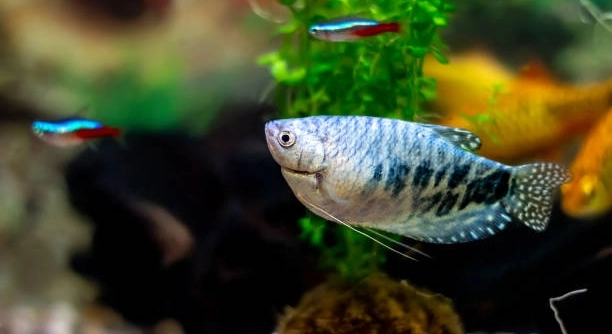
Gouramis are beautiful fish that need specific care during spawning to thrive. Supporting them properly helps ensure a safe and healthy environment for their eggs and fry. This guide offers practical ways to assist your gourami through this delicate time.
Supporting gouramis during spawning involves maintaining ideal water conditions, providing appropriate hiding spaces, regulating temperature, offering a balanced diet, reducing stress, monitoring behavior, and ensuring gentle handling to promote successful reproduction and healthy offspring development.
These simple yet effective tips can make a big difference in your gourami’s breeding success and overall well-being. Understanding how to support them properly benefits both the fish and your aquarium environment.
Maintain Ideal Water Conditions
Keeping the water clean and stable is essential when gouramis are spawning. They need water free from harmful chemicals and pollutants. Regular water changes help remove waste and toxins that can stress the fish or harm the eggs. Monitoring the pH and hardness levels ensures the water stays within the preferred range for gouramis, usually between 6.0 and 7.5 pH. Temperature should also be consistent, ideally between 78°F and 82°F (25°C to 28°C). Using a good filter and avoiding strong currents keeps the environment calm, which helps the gouramis feel safe. Clean water and proper balance reduce the risk of infections and encourage successful breeding.
Testing water regularly and making small adjustments can prevent sudden changes that might upset your fish. Gentle water flow is better than strong currents during spawning, so adjust your filter accordingly.
Water quality is the foundation for healthy gourami spawning. It supports the fish’s immune system and increases the chances that eggs will develop without issues. Consistency is key, so keep a close eye on water parameters throughout the breeding period.
Provide Appropriate Hiding Spaces
Gouramis feel more secure with places to hide during spawning. These spaces reduce stress and help protect the eggs and fry from other fish or disturbances. Floating plants, broad leaves, or small caves work well to create hiding spots. Providing these areas gives the female a chance to retreat if needed and helps the male guard the eggs without distraction.
Plants or decorations also help keep the water oxygenated and add natural shelter.
Adding enough hiding places creates a calm, secure environment. This allows gouramis to focus on mating and caring for their young without feeling threatened. The less stress they experience, the better the outcome for spawning success. These spaces also encourage natural behaviors that support healthy development.
Regulate Temperature Carefully
Temperature control is vital for gourami spawning success. Keeping the water temperature steady within the ideal range encourages breeding behavior and proper egg development. Sudden temperature shifts can shock the fish or cause eggs to fail. Using an aquarium heater with a reliable thermostat helps maintain a constant environment. Gradual temperature increases can also trigger spawning in gouramis, mimicking natural seasonal changes.
A stable temperature helps the fish stay healthy and supports the growth of fry after hatching. Avoid placing the aquarium near drafts, windows, or heating vents to prevent fluctuations. Regularly checking the thermometer ensures the water stays at the right level. Consistent warmth helps with egg fertilization and increases survival rates of the fry.
Temperature is one of the most controllable factors you can manage, so paying close attention to it can improve breeding success significantly.
Offer a Balanced Diet
Feeding gouramis nutritious food before and during spawning improves their health and energy. A diet rich in protein, such as live or frozen brine shrimp and bloodworms, supports egg development. Avoid overfeeding, as it can pollute the water and stress the fish.
A well-rounded diet prepares gouramis for spawning by boosting their vitality. Protein helps females produce quality eggs, while males gain strength for courtship. Supplementing with high-quality flakes or pellets ensures they get vitamins and minerals needed for overall health. Feeding small amounts multiple times a day keeps them energized without fouling the tank.
Balanced nutrition also improves the immune system, reducing disease risks during the vulnerable spawning period. Fresh, varied food encourages natural behavior and increases the chances of successful breeding. Careful feeding contributes to healthier parents and stronger fry after hatching.
Reduce Stress
Keeping gouramis calm is essential during spawning to avoid disruption or aggression. Stress can cause fish to stop spawning or even harm eggs. Limiting sudden noises, bright lights, or excessive movement near the tank helps maintain a peaceful environment.
Stress lowers fish immunity and affects breeding behavior negatively. Minimizing disturbances allows gouramis to focus on mating and caring for their young. Provide plenty of hiding spots and avoid introducing new fish during this time to keep stress levels low.
Maintaining stable conditions, gentle handling, and a quiet setting supports gouramis emotionally and physically. The less stressed they are, the smoother the spawning process will be, increasing chances of healthy offspring. Calm surroundings encourage natural routines that support reproduction success.
Monitor Behavior Closely
Watching gouramis carefully helps spot signs of readiness to spawn or stress. Changes in color, increased activity, or bubble nest building indicate breeding behavior. Early detection allows timely adjustments to their environment.
Regular observation helps prevent problems like aggression or illness. It also shows when eggs have been laid or fry have hatched, so you can provide extra care if needed.
Ensure Gentle Handling
Avoid rough handling during spawning to prevent injury or stress. Use soft nets and move fish slowly if relocation is necessary.
Gentle care supports their natural process and helps maintain a healthy environment.
Maintain Clean Tank
Keeping the tank clean during spawning reduces risks of disease and improves egg survival. Regular water changes and debris removal keep conditions safe and healthy.
A clean environment supports the development of fry and helps parents stay healthy.
FAQ
How do I know when my gourami is ready to spawn?
Gouramis show clear signs when ready to spawn. Males often build bubble nests at the water surface. They may become more colorful and active, displaying courtship behavior. Females tend to swell with eggs, showing a rounder belly. Watching for these signs helps prepare the tank and care for them properly.
What type of tank setup is best for spawning gouramis?
A quiet tank with stable water parameters works best. Use gentle filtration to avoid strong currents. Adding floating plants or broad-leafed plants gives shelter and supports bubble nest building. Keep the temperature steady between 78°F and 82°F. Avoid overcrowding to reduce stress and aggression.
How often should I feed gouramis during spawning?
Feed small amounts two to three times daily with high-protein foods like live or frozen brine shrimp and bloodworms. This keeps their energy up without fouling the water. A balanced diet encourages healthy egg production and supports the male’s courtship energy.
Can I keep other fish with spawning gouramis?
It’s better to separate gouramis during spawning. Other fish may stress the breeding pair or eat the eggs and fry. A species-only tank or a separate breeding tank provides a safer environment. Once fry grow stronger, you can reintroduce other fish carefully.
How long does gourami spawning take?
Spawning can last several hours to a day. After the eggs are laid, males guard the bubble nest and care for the eggs, which usually hatch in 24 to 36 hours. Fry become free-swimming after about 3 to 5 days, at which point feeding small foods like infusoria or baby brine shrimp begins.
What should I do if eggs or fry start to disappear?
Eggs or fry can be eaten by other fish, including the parents, if stressed or overcrowded. Removing other fish and providing plenty of hiding places can help. Some breeders remove the adults after spawning to protect the fry. Maintaining clean water and reducing disturbances also lowers risks.
How do I care for fry after they hatch?
Feed newly hatched fry tiny live foods like infusoria or specialized fry food. Keep water clean with frequent small water changes. Avoid strong currents to protect delicate fry. Gradually increase food size as they grow. Providing plants or breeding moss offers shelter from light and predators.
Why is water quality important during spawning?
Good water quality prevents diseases and supports egg development. Dirty or unstable water can cause eggs to fungus or fry to become weak. Regular testing and water changes keep parameters steady. Stable pH, temperature, and low nitrates create the best conditions for healthy breeding.
Can I encourage spawning by changing tank conditions?
Yes. Gradually increasing temperature or simulating rainy season changes by adding cooler water can trigger spawning. Increasing feeding frequency and improving water quality also help. These changes mimic natural signals that encourage gouramis to breed.
Is it normal for gouramis to be aggressive during spawning?
Yes, especially males can become territorial and aggressive toward each other or even females. This behavior helps protect the nest but can stress fish if the tank is too small. Providing enough space and hiding places reduces fighting. In some cases, separating males prevents injury.
Final Thoughts
Supporting gouramis during spawning takes some care and attention, but it is very rewarding. Keeping water clean and stable creates a safe space where gouramis feel comfortable enough to breed. Providing hiding spots and maintaining the right temperature helps the fish stay calm and healthy. These simple actions encourage natural behavior, increasing the chance that eggs will be fertilized and fry will survive. When the environment is steady, gouramis can focus on the spawning process without stress.
Feeding gouramis a balanced diet is also important. High-protein foods like live or frozen brine shrimp give them the energy needed for breeding. Overfeeding should be avoided because it can dirty the water and cause health problems. Observing the fish regularly allows for quick responses to any signs of stress or illness. Paying attention to their behavior lets you know when they are ready to spawn or if changes in the tank are needed.
Spawning gouramis may show aggression, especially males protecting their nests, but this is natural. Reducing stress by limiting disturbances and giving fish plenty of space helps keep them calm. If needed, separating aggressive fish can protect all involved. Clean tanks and gentle handling during this time make a big difference in the success of spawning. With patience and proper care, supporting gouramis during spawning can lead to a thriving and healthy aquarium full of new life.

Hello,
If you enjoy the content that we create, please consider saying a "Thank You!" by leaving a tip.
Every little bit helps us continue crafting quality advice that supports the health, happiness, and well-being of pets around the world, for pets of all shapes, sizes, and species.
We really appreciate the kindness and support that you show us!