
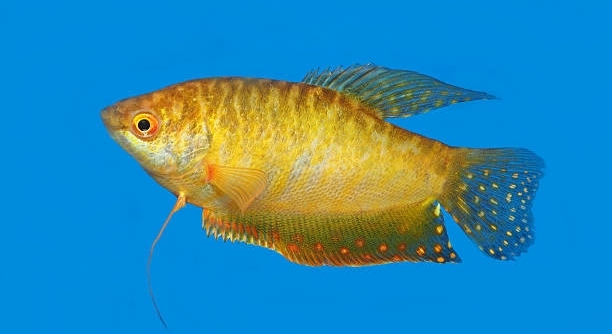
Gouramis are popular freshwater fish known for their calm nature and interesting behaviors. Sometimes, these fish may seem less lively than usual, which can be worrying for their owners. Understanding why this happens is important for their care.
Gouramis often become less active due to changes in water quality, stress, illness, or improper tank conditions. These factors can affect their health and energy levels, causing noticeable decreases in movement and interaction with their environment.
Learning about these reasons can help you provide better care for your gourami and improve their wellbeing over time.
Common Causes of Reduced Activity in Gouramis
Gouramis can slow down for several reasons, and it helps to recognize the most common ones. Poor water quality is often the main issue, as high levels of ammonia, nitrites, or nitrates can make fish stressed and weak. Changes in temperature can also affect their behavior, especially if it becomes too cold or too warm. Stress from new tankmates or sudden changes in the environment can cause gouramis to hide and move less. Illness, such as parasites or bacterial infections, may also reduce their activity. Sometimes, aging gouramis naturally slow down as well, showing less energy than younger fish. Observing your fish carefully and checking water conditions regularly can prevent many problems and keep your gourami active.
Maintaining stable and clean water conditions is key to keeping gouramis lively and healthy.
Noticing these signs early makes a big difference. Addressing water quality and stressors quickly can help your gourami regain energy. If illness is suspected, consulting with a vet or experienced fishkeeper ensures proper treatment. Keeping your aquarium well-maintained and peaceful helps your gourami stay comfortable and active over time.
How to Improve Gourami Activity
Monitoring your gourami’s environment closely is important. Make sure the tank water is clean, stable, and at the right temperature. Avoid overcrowding and aggressive tankmates that cause stress.
Improving water quality involves regular partial water changes and testing for harmful chemicals. Use a reliable water conditioner and maintain a good filtration system. Keeping the tank temperature around 75-80°F (24-27°C) is ideal for most gouramis. Adding plants and hiding spots can help reduce stress and encourage natural behavior. Feeding a balanced diet with variety supports their energy levels. If your gourami remains inactive despite these efforts, consider consulting a specialist for possible health issues. Consistent care and attention are essential for restoring your gourami’s activity and wellbeing.
Signs of Stress in Gouramis
Stress in gouramis often shows through changes in behavior. They may hide more, swim less, or lose interest in food. Color fading and rapid gill movement are also common signs. Identifying stress early helps prevent serious health problems.
Stress weakens gouramis’ immune systems, making them more prone to illness. Causes include poor water quality, aggressive tankmates, or sudden changes in the tank environment. Even loud noises or too much handling can disturb them. Watching for unusual behaviors, like hiding or erratic swimming, can help spot stress early. Keeping a stable, calm environment with proper water parameters reduces stress significantly and helps gouramis stay healthy and active.
If stress is ignored, it can lead to disease or death. Immediate steps include checking water quality, adjusting tank conditions, and minimizing disturbances. Providing hiding spots and a balanced diet also supports recovery. Regular observation and quick action are key to managing stress in gouramis effectively.
Nutritional Impact on Gourami Activity
Poor diet directly affects gouramis’ energy and overall health. Feeding them low-quality or inappropriate food can make them lethargic and weak. A balanced diet with variety is essential for their vitality.
Gouramis need a mix of protein, vegetables, and occasional live food for proper nutrition. Commercial pellets or flakes designed for gouramis work well but should be supplemented with frozen or live foods like brine shrimp or bloodworms. Overfeeding can cause water pollution, which stresses fish and lowers activity. Feeding small amounts two to three times a day is ideal. Good nutrition supports their immune system and keeps their colors bright. Adjusting diet and feeding habits often brings noticeable improvements in activity and wellbeing.
Tank Environment and Its Role
A poor tank environment often causes gouramis to become less active. Dirty water, lack of hiding spots, and improper tank size all contribute to stress and inactivity.
Proper tank setup includes clean water, plants, and enough space. These elements make gouramis feel safe and encourage natural behavior.
Monitoring Water Parameters
Regularly testing water parameters like pH, ammonia, nitrite, and nitrate levels is crucial. Stable and appropriate water conditions prevent stress and disease.
Keeping water parameters in check supports gouramis’ health and activity. Changes in water chemistry should be addressed quickly to avoid harm.
Illness and Its Effects
Illness can make gouramis lethargic and less responsive. Common problems include infections, parasites, and swim bladder issues.
If you notice unusual behavior or signs of sickness, take action quickly to improve your fish’s health.
FAQ
Why is my gourami hiding and not moving much?
Gouramis often hide and reduce movement when they feel stressed or unsafe. This can happen due to poor water quality, aggressive tankmates, or sudden changes in the tank environment. Hiding is their way of protecting themselves. Ensuring clean water, calm tankmates, and plenty of plants or decorations for cover helps them feel secure and encourages activity.
How often should I change the water to keep my gourami active?
A weekly partial water change of about 20-30% is recommended for most gourami tanks. Regular water changes remove harmful toxins like ammonia and nitrites that build up over time. Clean water supports good health and energy levels, helping your gourami stay active and happy.
Can temperature changes cause my gourami to be less active?
Yes, gouramis are sensitive to temperature fluctuations. They prefer stable water temperatures between 75-80°F (24-27°C). Sudden drops or rises in temperature can slow their metabolism, making them less active. Using a reliable heater and thermometer helps maintain a steady temperature and prevent stress.
Is my gourami sick if it is floating or sinking unusually?
Unusual floating or sinking can be signs of swim bladder problems or other illnesses. Swim bladder issues affect buoyancy, causing your fish to float upside down or sink to the bottom. Illnesses like infections or parasites can also cause this behavior. If you notice these signs, isolate your gourami and consider consulting an expert for treatment options.
What kind of food should I feed my gourami to keep it active?
Gouramis need a balanced diet that includes high-quality pellets or flakes designed for tropical fish. Adding live or frozen foods like brine shrimp, bloodworms, or daphnia provides extra protein and variety. Feeding small amounts two to three times daily supports their energy without overfeeding, which can harm water quality and activity.
How do I know if my gourami is stressed?
Signs of stress include hiding often, loss of appetite, faded colors, rapid breathing, and erratic swimming. Stress lowers immunity and energy, making gouramis less active. Monitoring their behavior regularly and maintaining a stable, clean environment with gentle tankmates helps reduce stress levels.
Can overcrowding make my gourami less active?
Overcrowding creates competition for food, space, and oxygen, which can stress gouramis. Stress leads to hiding, reduced movement, and weaker health. Providing enough space and avoiding aggressive or too many tankmates helps gouramis stay relaxed and active.
What plants are best to keep in a gourami tank for their comfort?
Live plants like Java fern, Anubias, and floating plants such as duckweed or water lettuce offer shelter and reduce stress. These plants create hiding spots and improve water quality by absorbing toxins. A planted tank mimics the gourami’s natural habitat and encourages natural behavior and activity.
How quickly should I see improvement after fixing water quality issues?
Improvements can often be seen within a few days after correcting water quality problems. Gouramis may start swimming more and showing interest in food again. However, if they remain inactive or show illness signs, further investigation and care may be needed.
Can I keep different species of gouramis together without issues?
Some gourami species are peaceful, while others can be territorial. Mixing compatible species is possible with enough space and hiding spots. Avoid combining aggressive gouramis or placing them with small, timid fish. Proper research on each species’ behavior helps maintain a calm tank and active fish.
Gouramis are gentle and interesting fish that can bring calm beauty to any aquarium. When they become less active, it is often a sign that something in their environment or health needs attention. Paying close attention to their behavior and tank conditions is important. Simple changes like improving water quality, adjusting temperature, or adding plants can make a big difference. Gouramis rely on a stable and comfortable home to feel safe and energetic.
Taking care of gouramis means keeping their environment clean and stress-free. Regular water testing and partial water changes help maintain the right balance of chemicals in the tank. Stress from aggressive tankmates or sudden changes can cause gouramis to hide and move less. Providing plenty of hiding spots and gentle companions creates a calm space where they can thrive. Their diet also plays a key role in their activity levels. Feeding a variety of good-quality food supports their health and energy.
If gouramis stay inactive despite good care, it might be a sign of illness. Watching for unusual signs like odd swimming, loss of appetite, or color changes helps catch problems early. Quick action and proper treatment improve their chances of recovery. Overall, understanding what gouramis need and responding to their behavior helps them stay lively and healthy. A little attention and care go a long way in supporting your fish’s wellbeing.

Hello,
If you enjoy the content that we create, please consider saying a "Thank You!" by leaving a tip.
Every little bit helps us continue crafting quality advice that supports the health, happiness, and well-being of pets around the world, for pets of all shapes, sizes, and species.
We really appreciate the kindness and support that you show us!