
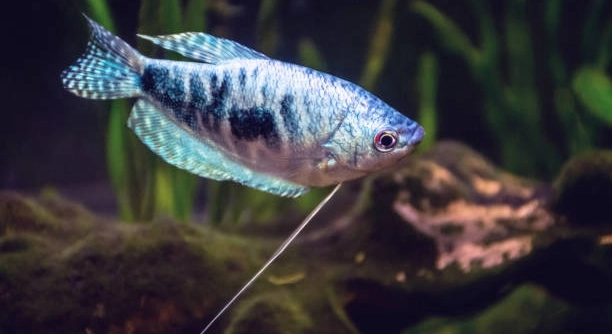
Have you ever noticed your gourami acting strange when you pay attention to another fish in the tank?
Gouramis can display behaviors that resemble jealousy, such as aggression, fin flaring, or guarding certain areas. These actions are often linked to territorial instincts, environmental stress, or social dynamics within the aquarium.
Learning what drives these reactions can help you create a peaceful environment and better understand your gourami’s behavior.
Why Gouramis Might Act Jealous
Gouramis are known for their bright colors and calm behavior, but they can also show signs of stress when they feel threatened or ignored. If they see attention being given to another fish, they might start to act out. This can include chasing, nipping fins, or guarding a certain part of the tank. These actions aren’t really jealousy in the human sense, but they come from natural instincts. Gouramis can be territorial, especially in smaller tanks. If they feel like their space is being invaded or their place in the social order is changing, they react. Environmental factors like overcrowding, a lack of hiding spaces, or changes in tank mates can also play a role. By understanding these triggers, you can take steps to reduce stress and make your tank a more peaceful place. Watching how your gourami interacts can tell you a lot about what it needs.
Sometimes, a gourami’s “jealous” behavior is just its way of trying to feel secure again.
Giving your gourami a calm space with good hiding spots and enough room can really help. Keeping a balanced tank with compatible fish matters too. A peaceful environment helps reduce stress and makes your gourami feel safe and more relaxed.
Signs to Watch For
Gouramis might flare their fins, chase others, or act unusually quiet if they’re upset by a change in attention.
These behaviors often show up when something in the tank changes. It might be a new fish, a change in how you interact with the tank, or even how food is given. Some gouramis may start to stay in one corner or guard certain decorations. Others may become more active and chase tank mates they previously ignored. These behaviors are important to notice because they signal stress. If ignored, stress can lead to illness or more serious aggression. The best thing you can do is observe your gourami’s usual behavior and watch for changes. Make sure the tank is well-maintained and that every fish has space to move and hide. Sometimes, just changing a decoration or adjusting feeding routines can make things feel normal again for your gourami.
Managing the Behavior
Give your gourami more space and shelter by adding plants or caves. Rearranging decorations can also help break up territories and reduce tension between fish. A calmer tank setup supports better behavior and makes all fish feel more secure.
Feeding your gourami properly can also reduce stress. Make sure all fish are getting enough food and try feeding in different areas of the tank. This prevents one fish from dominating feeding time and encourages a more peaceful group dynamic. You might also consider feeding your gourami first, especially if it shows signs of guarding you or acting possessive during feeding times. Watch how it responds to this. If things improve, keep the routine. If not, try spreading food more evenly. A little patience goes a long way in figuring out what works best. Every tank has a different balance that takes time to get right.
Water quality matters too. Poor water conditions can make any stress worse. Keep the water clean, check the filter regularly, and stick to a consistent cleaning schedule. Use a test kit once a week to make sure ammonia, nitrites, and nitrates stay at safe levels. Stable conditions help reduce unwanted behavior. Sudden changes in temperature or pH can upset your gourami, so avoid quick shifts when doing water changes. A stressed fish is more likely to act aggressive or territorial, especially if other fish are nearby. Maintaining a healthy tank routine supports more stable behavior and keeps all your fish in better condition. Healthy fish are usually less reactive and more social.
Understanding the Triggers
Changes in the tank often trigger sudden behavior. Adding a new fish, changing decorations, or even shifting lighting schedules can affect how your gourami acts. These changes may seem small but can make the fish feel threatened or unsure.
Social dynamics play a big role in how your gourami behaves. Some gouramis are more dominant and may react strongly when a new fish enters the tank or another fish receives more attention. When fish compete for space, food, or even your focus, tension builds. Some gouramis may try to protect what they see as their space or person. This is especially true in smaller tanks or setups with few hiding spots. Even how often you tap on the glass or how you feed can make a difference. Watching closely for changes after each adjustment will help you better understand what sets off certain reactions. Over time, you’ll learn how your gourami responds and what helps keep it calm.
How to Calm a Stressed Gourami
Try turning off bright lights or lowering activity around the tank. Sudden movement and loud sounds can stress your gourami. A quieter space helps the fish feel safer and can ease territorial or anxious behavior.
Limit how often you reach into the tank. Too much handling or cleaning all at once can make your gourami feel unsafe. Break tasks into smaller steps over a few days instead. This helps your fish stay calm and adjust without feeling overwhelmed.
When to Separate Fish
If your gourami keeps chasing or nipping others, it might be time to move it. Even with a good setup, some fish just don’t get along. Try a separate tank or a divider in the same tank. Give the fish time apart and see if the behavior improves. Some fish settle down after a break.
Final Thoughts on Behavior
Watching your gourami closely and making small changes can lead to a calmer tank. Even tiny shifts in setup or feeding can make a big difference.
FAQ
Can gouramis feel emotions like jealousy?
Gouramis don’t feel emotions the same way humans do, but their behavior can seem similar. When they act out, it’s usually tied to stress, change, or a need to protect their space. This can look like jealousy, especially if the behavior starts when attention shifts to another fish. They may become more active, chase others, or guard certain areas of the tank. These actions are rooted in instincts and survival behavior rather than feelings. Understanding this helps you respond in ways that support your fish’s health and comfort without assuming it’s about emotions in a human sense.
Why does my gourami act aggressive after I feed other fish?
Feeding can trigger territorial behavior, especially if your gourami thinks it’s missing out. If you feed other fish first or if food seems limited, your gourami may react by chasing or flaring its fins. This behavior helps it secure resources and defend what it sees as its space. Spreading food throughout the tank or feeding in multiple places can help. Make sure your gourami always has access to food. You can also try feeding it first. Simple adjustments can ease tension and reduce aggressive behavior after meals.
Is my gourami attacking the new fish out of jealousy?
It’s more likely a reaction to territory or social structure than jealousy. Gouramis often establish zones in the tank, and a new fish might disrupt that balance. This can lead to chasing or nipping. It’s important to monitor interactions during the first few days. If the new fish is being bullied constantly, you may need to rearrange the tank or add barriers to give each fish its own space. In some cases, separating them may be best. These actions help reduce stress and create a better balance in the tank.
Do gouramis get attached to people?
Some gouramis seem to recognize their owners and may come to the front of the tank when you approach. This is usually linked to feeding routines, not emotional attachment. They learn to associate you with food and attention. While it may feel like affection, it’s more of a conditioned response. Still, this behavior shows they are aware of changes in their environment and routine. Keeping a regular schedule with feeding and tank care can build trust and keep them calm.
What are signs that my gourami is stressed?
Look for hiding, clamped fins, loss of appetite, dull color, or unusual aggression. These are common signs something isn’t right. Stress can come from poor water quality, tankmates that don’t get along, or sudden changes in the tank. Use a water test kit, observe interactions, and keep the tank calm. Make changes slowly and one at a time. Catching stress early helps prevent illness or more serious behavior problems.
Can I keep more than one gourami in the same tank?
Yes, but it depends on the type, tank size, and their personalities. Some gouramis are peaceful, while others can be more territorial. Keeping multiple males in a small tank usually causes problems. A larger tank with plenty of plants and hiding spots works better. Female gouramis tend to get along more easily. Always watch for signs of chasing or fin nipping. If things seem tense, separating the fish may be the safest option. Having the right setup from the start makes a big difference.
Why does my gourami guard a certain corner of the tank?
This is a sign of territorial behavior. The fish has claimed that spot and may chase others away to protect it. Gouramis often do this when space is limited or when they feel unsafe. Adding more plants or objects to break up lines of sight can help. If the behavior gets worse, rearranging the tank might reset the territories. Some fish will stop guarding once they feel more secure. It’s a common behavior, but keeping the tank well-balanced helps reduce it.
Should I worry if my gourami flares its fins?
Not always. Flaring is a normal behavior used to communicate or show dominance. It happens more when a gourami sees its reflection, new tankmates, or changes in the environment. If it happens a lot and is followed by chasing or nipping, it might be stress or aggression. In that case, check the tank setup and water quality. If your gourami flares occasionally and still eats, swims normally, and looks healthy, it’s usually nothing to worry about. Just keep an eye on it to spot changes.
What size tank is best to avoid jealousy-like behavior?
For one gourami, a 20-gallon tank is usually enough. If you plan to keep more, go bigger—at least 30 gallons for a pair, and more for groups. More space means less chance for conflict. It also gives each fish room to explore and settle into their own space. Tanks with plants, rocks, and caves help create natural boundaries. This can prevent guarding or chasing, which often looks like jealousy. A well-planned tank size is one of the best ways to support healthy behavior.
Final Thoughts
Gouramis are fascinating fish with strong personalities. While they don’t feel emotions like humans, their actions can seem very personal. What we often call “jealousy” is usually just a mix of stress, territorial behavior, or reaction to changes around them. These fish notice when something shifts in their space—whether it’s a new tank mate, feeding order, or even how often you approach the glass. Their behavior is their way of adapting, reacting, and trying to stay comfortable in their environment. Learning what those behaviors mean helps you care for them in a more thoughtful way.
Creating a calm, balanced tank is one of the best ways to avoid unwanted behavior. Giving your gourami enough space, plants, and hiding spots helps it feel secure. Watching how your fish acts and responding with small changes—like adjusting feeding routines or adding decorations—can make a big difference. It’s also important to avoid overcrowding the tank or placing gouramis with fish that might stress them out. Keeping water conditions stable and doing regular maintenance also plays a huge role in reducing stress-related behavior. A clean, peaceful tank gives your fish what it needs to stay healthy and calm.
Understanding your gourami takes time, but the effort is worth it. Each fish is different, and some will be more active or reactive than others. By watching closely, you’ll begin to see what triggers certain behaviors and what helps ease them. You don’t need to worry every time your gourami acts out. Instead, take it as a sign to check on the tank, the water, or its routine. Most issues can be fixed with small changes. In the end, your attention, patience, and care will go a long way toward keeping your gourami happy and balanced in its space.

Hello,
If you enjoy the content that we create, please consider saying a "Thank You!" by leaving a tip.
Every little bit helps us continue crafting quality advice that supports the health, happiness, and well-being of pets around the world, for pets of all shapes, sizes, and species.
We really appreciate the kindness and support that you show us!