
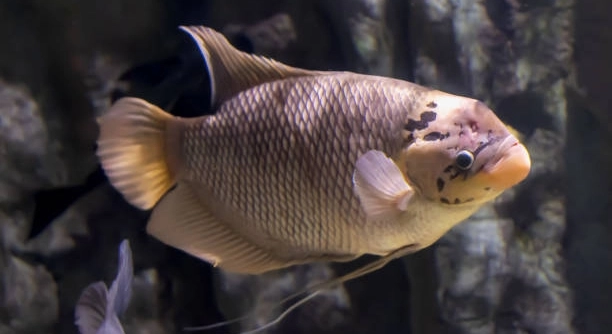
Gouramis are popular aquarium fish, known for their bright colors and peaceful nature. However, they sometimes show aggression toward each other, causing stress and harm in the tank. Managing these conflicts is important for a healthy environment.
Avoiding gourami conflicts involves proper tank setup, selecting compatible species, monitoring behavior, and maintaining good water conditions. Providing enough space and hiding spots also reduces territorial disputes and aggression among these fish.
Understanding these simple yet effective tips can help keep your gouramis calm and thriving in their shared home. Implementing them will create a more peaceful and enjoyable aquarium experience.
Choose Compatible Gourami Species
Choosing the right gourami species is key to minimizing conflicts in your tank. Some gouramis, like dwarf gouramis, are more peaceful, while others, such as three-spot gouramis, can be more territorial and aggressive. Mixing aggressive and peaceful species often leads to stress and fights. When selecting gouramis, consider their size, temperament, and natural behavior. Avoid overcrowding, as limited space increases tension among fish. Also, gender matters—male gouramis tend to be more aggressive, especially toward other males. Keeping only one male per species helps reduce fights. Providing plenty of plants and hiding spots creates safe zones, allowing fish to escape if tensions rise. Careful selection and tank planning improve harmony, making your aquarium a more balanced environment for all its inhabitants. This approach not only protects your gouramis but also enhances their overall well-being and color vibrancy.
Small changes in species choice can make a big difference in how peacefully your gouramis live together.
Proper species selection helps create a calm environment where gouramis feel secure and less likely to fight. Paying attention to their natural habits and compatibility is essential for a peaceful tank.
Maintain Proper Tank Size and Setup
A spacious tank reduces stress and territorial behavior in gouramis. Small tanks cause overcrowding, which raises competition for territory and resources. Ideally, gouramis should have at least 20 gallons each, depending on their size. Besides space, your tank setup plays an important role. Include plenty of plants, rocks, and hiding spots to break sightlines and offer shelter. Floating plants are especially good for gouramis, as they enjoy surface cover. These elements reduce aggression by giving fish places to retreat when they feel threatened. Clean water and proper filtration are also essential to keep fish healthy and calm. Regular water changes prevent buildup of harmful chemicals, which can stress fish and increase aggressive behavior. Setting up a comfortable environment encourages peaceful interactions and supports your gouramis’ natural habits.
Keeping your gouramis comfortable in a large, well-planted tank can prevent many common conflicts. A good environment promotes calm and reduces chances of fights.
Monitor and Separate Aggressive Fish
Keeping an eye on gourami behavior is essential to prevent serious conflicts. Watch for chasing, fin nipping, or hiding, which signal aggression. Early action can stop fights from escalating.
If you notice aggressive behavior, try rearranging the tank decorations to disrupt established territories. Sometimes, adding more plants or hiding spots helps stressed fish feel safer. If aggression continues, separating the aggressive gourami temporarily may be necessary. Quarantine tanks or breeding boxes work well for this. Isolation gives the fish a chance to calm down without risking injury to others. Observing closely also helps you learn your fish’s personalities and preferences, allowing better management in the long term.
Separating aggressive gouramis when needed protects the health and well-being of the whole tank community. It’s a practical way to maintain peace without constant fighting.
Keep a Balanced Diet and Feeding Routine
A balanced diet supports healthy behavior in gouramis. Overfeeding or inconsistent feeding schedules can cause stress and increase aggression. Feeding small amounts two to three times daily prevents hunger-driven fights.
Feeding your gouramis a variety of foods ensures they get necessary nutrients. High-quality flakes, pellets, frozen or live foods like brine shrimp or bloodworms work well. Avoid leftover food by feeding only what they consume quickly, as excess can pollute the tank and upset water quality. Good nutrition helps gouramis stay calm and healthy, which reduces aggressive tendencies. Feeding at regular times also creates a predictable routine, lowering stress. Well-fed gouramis are less likely to compete aggressively over food, which improves overall harmony in the tank. Consistent care in feeding goes a long way in keeping your gouramis peaceful and vibrant.
Provide Plenty of Hiding Spots
Hiding spots help reduce stress and aggression in gouramis. Fish need places to retreat when they feel threatened or overwhelmed. Plants, caves, and decorations offer safe zones.
A well-decorated tank breaks up sightlines and gives each fish a personal space. This lowers territorial disputes and helps gouramis feel secure.
Avoid Overcrowding
Overcrowding raises stress and leads to more frequent fights among gouramis. Each fish needs enough room to swim freely and establish territory. Crowded tanks limit these needs and increase tension.
Maintaining a proper fish-to-gallon ratio helps keep the aquarium peaceful. This ensures gouramis have space to coexist without constant conflict.
Maintain Stable Water Conditions
Sudden changes in water temperature, pH, or cleanliness stress gouramis and trigger aggression. Stable, clean water helps fish stay healthy and calm. Regular water tests and changes keep conditions ideal.
Good water quality supports natural behavior, reducing the chances of fights in your tank. Keeping conditions steady protects your gouramis’ well-being.
FAQ
Why do gouramis fight each other?
Gouramis fight mainly due to territorial behavior, especially males defending their space. Competition for food, mates, or hiding spots can also cause aggression. Stress from overcrowding or poor water quality makes fights more likely. Understanding these reasons helps you create a calmer environment for your fish.
How can I tell if my gouramis are stressed?
Signs of stress include hiding more than usual, loss of color, rapid breathing, or erratic swimming. Aggressive behavior like chasing or fin nipping can also indicate stress. Monitoring these signs lets you act quickly to improve their environment.
Is it okay to keep multiple male gouramis together?
Keeping multiple males in the same tank often leads to fights. Males are territorial and may constantly challenge each other. It’s better to keep one male per species or separate males into different tanks to avoid constant aggression.
Can tank size reduce gourami conflicts?
Yes, a larger tank provides more space to establish territories and reduces overcrowding. More room means less chance of fish feeling threatened or competing for resources. A spacious tank with plenty of hiding spots helps gouramis coexist peacefully.
What are the best plants to include for gouramis?
Floating plants like duckweed, water lettuce, and frogbit offer surface cover gouramis enjoy. Dense plants like java fern and anubias provide hiding spots and help break sightlines. Plants make the tank feel natural and safe, reducing stress and aggression.
How often should I feed my gouramis?
Feeding small amounts two to three times daily is ideal. Overfeeding can pollute the tank and cause fights over food. Make sure to provide a balanced diet with flakes, pellets, and occasional live or frozen treats to keep them healthy and calm.
What should I do if one gourami is overly aggressive?
Try rearranging the tank to break established territories. Adding more plants or hiding places can help. If aggression continues, separate the aggressive fish temporarily using a divider or quarantine tank. This prevents injury and lets the fish calm down.
Can water quality affect gourami behavior?
Poor water quality stresses fish and can increase aggression. Regular water changes, proper filtration, and monitoring parameters like pH and ammonia keep water clean and stable. Healthy water supports peaceful behavior and reduces conflicts.
Are gouramis aggressive only toward their own species?
Gouramis may show aggression toward other gouramis, especially males, but they can also compete with other tank mates if space is limited. Choosing compatible fish and providing enough room minimizes fights across all species.
How do I know when to separate gouramis permanently?
If aggressive behavior causes injury or constant stress despite changes in tank setup, permanent separation may be necessary. Watch for repeated attacks or signs of severe stress like loss of appetite or hiding. Protecting your fish’s health is the priority.
Is it necessary to have a breeding tank for gouramis?
A breeding tank helps manage aggression during breeding seasons. Male gouramis become more territorial when spawning, so separating them temporarily reduces fights. It also provides a safer environment for fry and protects other fish from aggression.
Can gouramis live peacefully with other fish species?
Yes, gouramis often coexist well with peaceful species like tetras, rasboras, or corydoras catfish. Avoid housing them with aggressive or very territorial fish. Compatibility depends on tank size, species temperament, and available hiding spots.
How can I reduce aggression during breeding?
Provide plenty of plants and hiding places to reduce tension. Consider separating the male if aggression becomes severe. Keeping water conditions stable and feeding well also helps lower stress during this sensitive time.
What role does tank decoration play in preventing fights?
Decorations break up the tank visually, reducing sightlines that trigger territorial behavior. Plants, rocks, and caves create personal spaces and hiding spots. A well-decorated tank lowers stress and provides security for all fish.
How do I introduce new gouramis to an existing tank?
Introduce new gouramis slowly by using a quarantine tank first. When adding them to the main tank, rearrange decorations to reset territories. Monitor behavior closely and be ready to separate fish if aggression rises. Proper introduction helps reduce conflicts.
What signs show a gourami is ready to breed?
Males build bubble nests and display brighter colors. They may also become more territorial and chase females or other males. Recognizing these signs helps prepare for possible aggression and breeding management.
Can gouramis recognize their tank mates?
Gouramis are intelligent enough to recognize other fish by sight and smell. They may develop social hierarchies or bonds, but this depends on species and tank conditions. Stable groups tend to have fewer conflicts over time.
Does lighting affect gourami behavior?
Bright or constant lighting can stress gouramis and increase aggression. Providing a natural day-night cycle with periods of dim or indirect light helps keep them calm. Floating plants can also soften lighting in the tank.
How do I keep male gouramis from fighting during spawning?
Use plenty of plants and hiding spots to reduce confrontations. Sometimes separating males temporarily is necessary. Avoid overcrowding and keep water quality high to minimize stress. Managing the environment supports calmer breeding behavior.
Are dwarf gouramis less aggressive than other types?
Dwarf gouramis tend to be more peaceful but can still show territorial behavior, especially males. They do best in smaller groups with enough space and hiding places. Careful monitoring helps prevent conflicts in dwarf gourami tanks.
Final Thoughts
Managing gourami conflicts takes attention and care, but it is well worth the effort. These fish can add color and life to any aquarium, but their natural behaviors sometimes lead to tension and fighting. By understanding why gouramis become aggressive and what they need to feel comfortable, you can create a peaceful tank environment. Paying attention to tank size, species compatibility, hiding places, and water quality will help keep conflicts low. Simple steps like feeding well and watching fish behavior make a big difference. When you provide a good home for your gouramis, they are more likely to be calm and healthy.
It is important to remember that not all gouramis will behave the same way. Some fish are naturally more territorial or aggressive, especially males during breeding periods. This means you may need to adjust your setup or separate fish when necessary. Rearranging the tank or adding plants can reduce aggression, but sometimes isolation is the best solution for a short time. Regular observation helps catch problems early before they become serious. Taking small actions quickly helps protect your fish from injury and stress. Being patient and consistent in your care routine leads to a better experience for both you and your gouramis.
Creating a peaceful gourami tank is a balance between environment, fish behavior, and care. You don’t need to make huge changes all at once. Gradual improvements often work best and are easier to maintain. Focus on good water quality, enough space, proper diet, and a well-planned tank setup. Remember that each gourami is unique, so what works for one may not work for another. Watching your fish and adapting to their needs is key. With time and effort, your gouramis can live together happily, making your aquarium a calm and enjoyable space.

Hello,
If you enjoy the content that we create, please consider saying a "Thank You!" by leaving a tip.
Every little bit helps us continue crafting quality advice that supports the health, happiness, and well-being of pets around the world, for pets of all shapes, sizes, and species.
We really appreciate the kindness and support that you show us!