
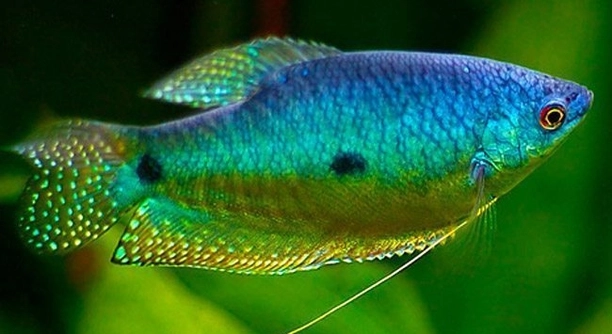
Many gourami owners notice their fish losing color over time. This change can be worrying, as vibrant colors are often a sign of health. Understanding why this happens can help keep gouramis looking their best.
Gourami color loss occurs due to several causes including poor water quality, inadequate nutrition, stress, illness, aging, improper lighting, and genetic factors. Each factor affects the fish’s ability to maintain its natural pigmentation.
Recognizing these causes is key to improving your gourami’s appearance and overall well-being. The following sections will explain each cause clearly and simply.
Poor Water Quality
Poor water quality is one of the most common reasons gouramis lose their vibrant colors. When water is dirty or has high levels of ammonia, nitrites, or nitrates, it creates a stressful environment for the fish. Stress can weaken their immune system and reduce the intensity of their coloration. Keeping the tank clean by performing regular water changes and using a good filtration system is essential. Testing the water regularly helps catch problems early. If the water conditions are not addressed, the fish may suffer from health issues beyond color loss. Gouramis thrive best in stable, clean water with balanced pH and temperature.
Maintaining good water quality helps gouramis stay healthy and colorful. Regular checks are a small effort with big benefits.
Water quality directly impacts a gourami’s ability to show its true colors. Poor water can cause dullness and fading. A well-maintained tank supports vibrant scales and bright hues. Adjusting water parameters to meet the species’ needs reduces stress and improves their overall health, making color loss less likely.
Inadequate Nutrition
Gouramis need a balanced diet to keep their colors bright and their bodies healthy. Without proper nutrients, their colors may fade, and their immune system weakens. Feeding only one type of food, like flakes, often isn’t enough. A varied diet that includes live, frozen, or freeze-dried foods such as brine shrimp or bloodworms provides essential vitamins and minerals. Color-enhancing foods are also available, but they should complement, not replace, a balanced diet. Overfeeding can cause water pollution, so it’s important to feed the right amount.
A proper diet ensures your gourami gets the nutrients needed for color vibrancy and overall health.
Feeding gouramis a varied diet with high-quality ingredients helps maintain their color and vitality. Foods rich in carotenoids and vitamins A and C promote healthy pigmentation. Including occasional treats like live or frozen foods stimulates natural behaviors and supports immune health. Monitoring feeding habits prevents overfeeding and keeps the tank cleaner, supporting both color and wellbeing.
Stress
Stress affects gourami color by causing their bodies to reduce pigmentation as a response to discomfort. Factors such as overcrowding, sudden changes in water conditions, or aggressive tank mates can trigger this reaction. Minimizing stress is important to keep their colors bright.
Stress in gouramis often results from an unstable environment or poor tank conditions. Overcrowding limits swimming space and increases aggression, leading to constant stress. Sudden changes in water temperature or chemistry can also shock the fish. Even loud noises or vibrations near the tank might contribute. Providing hiding spots and keeping a peaceful community helps reduce stress. When stress is lowered, gouramis regain their vibrant appearance more quickly.
Keeping stress levels down protects a gourami’s immune system and coloration. A calm, stable environment with compatible tank mates encourages healthy, colorful fish. Regular observation helps catch early signs of stress, allowing adjustments before color loss worsens.
Illness and Disease
Illnesses like bacterial infections, parasites, or fungal diseases often cause gouramis to lose color rapidly. Sick fish may become pale as their body focuses on fighting the infection instead of maintaining pigmentation. Prompt treatment is essential to restore health.
Color loss due to illness usually comes with other symptoms like lethargy, clamped fins, or abnormal swimming. Identifying the disease early can prevent permanent damage or death. Quarantining affected fish and consulting a vet or experienced aquarist improves treatment success. Preventative care through regular tank maintenance and stress reduction lowers the chance of sickness. A healthy fish is almost always a colorful fish, so keeping gouramis disease-free is crucial for maintaining their natural beauty.
Aging
As gouramis grow older, their colors naturally fade. This process is normal and happens gradually over time. Older fish may show less vibrant hues compared to their younger selves.
Aging affects the fish’s metabolism and pigment production. While you can’t stop this process, providing excellent care helps maintain the best possible color for their age.
Improper Lighting
Lighting plays a key role in maintaining gourami color. Too little light can cause colors to dull, while too much light might stress the fish. Using a balanced aquarium light that mimics natural conditions helps keep their colors vibrant.
Genetic Factors
Some gouramis naturally have less vibrant colors due to genetics. Selective breeding can produce variations in color intensity, so some fish may never show bright hues, regardless of care. This is normal and not a health issue.
Why is my gourami’s color fading even though the water looks clean?
Clean water doesn’t always mean perfect water conditions. Sometimes, harmful chemicals like ammonia, nitrites, or nitrates can be present in small amounts that aren’t visible. These chemicals stress the fish and cause their colors to fade. Testing the water regularly is important because it reveals problems you can’t see. Also, sudden changes in water temperature or pH can stress your gourami, affecting its color. Even if the water looks clear, unstable conditions can dull your fish’s vibrant hues. Make sure you use a reliable test kit and keep water parameters stable for your gourami to maintain its natural colors.
How can I improve my gourami’s diet to bring back its color?
A balanced diet is key to restoring and maintaining gourami color. Adding foods rich in carotenoids, like spirulina or specially formulated color-enhancing flakes, can help improve pigmentation. Live or frozen foods such as brine shrimp, bloodworms, and daphnia provide essential nutrients that flakes alone may lack. Feeding a mix of these foods a few times a week boosts vitamins and minerals that support bright coloration. Be careful not to overfeed, as leftover food can harm water quality, which in turn affects your fish’s color. Offering variety and quality will help your gourami regain its vibrant look.
Can stress alone cause a gourami’s color to disappear?
Yes, stress has a big impact on gourami color. Stress triggers hormonal changes that reduce pigment production, causing the fish to appear pale or dull. Factors like overcrowding, aggressive tank mates, loud noises, or sudden changes in water conditions cause stress. Providing a calm, stable environment with enough hiding spots lowers stress. When stress is reduced, gouramis can regain their natural colors faster. Observing behavior regularly helps catch stress signs early, allowing you to act before the color loss worsens.
Is color loss a sign of illness in gouramis?
Often, yes. Color loss can be an early sign of illness such as bacterial infections, parasites, or fungal diseases. Sick gouramis may look pale and show other symptoms like lethargy, clamped fins, or loss of appetite. If your gourami loses color quickly or shows unusual behavior, it’s best to isolate it and seek advice from a vet or experienced aquarist. Treating illness early improves recovery chances and helps restore color. Keeping your tank clean and reducing stress lowers the risk of disease and color fading.
Will aging always cause gouramis to lose their color?
Aging does cause gouramis’ colors to fade naturally over time. As fish grow older, their metabolism slows, and pigment cells produce less color. This is a normal part of aging and can’t be fully stopped. However, providing excellent care—clean water, good nutrition, and low stress—helps keep your gourami as colorful as possible throughout its life. While older fish may never be as bright as when they were young, they can still be healthy and beautiful pets with soft, pleasant colors.
How important is lighting for my gourami’s color?
Lighting is very important. Proper aquarium lighting helps gouramis display their true colors by stimulating pigment cells. Too little light can make colors dull, while too much light can stress your fish, also causing fading. A balanced light setup mimics natural day and night cycles, promoting health and bright colors. Avoid direct sunlight to prevent algae growth and overheating. Using an aquarium light designed for tropical fish helps maintain vibrant gourami coloration over time.
Can genetics affect how colorful my gourami is?
Yes, genetics play a big role in color intensity. Some gouramis naturally have brighter or duller colors based on their breed and lineage. Selective breeding can enhance or reduce coloration traits. This means that even with perfect care, some gouramis may never show very bright colors. This is normal and not a sign of poor health. Appreciating your fish’s unique genetics helps set realistic expectations for their appearance.
What immediate steps can I take if I notice my gourami’s color fading?
First, test the water for ammonia, nitrites, nitrates, pH, and temperature to ensure stable conditions. Perform a partial water change if needed. Check your feeding routine and add a variety of nutritious foods. Look for signs of stress or illness, such as unusual behavior or spots on the fish. If illness is suspected, quarantine and treat promptly. Finally, assess the tank environment—reduce overcrowding, provide hiding spaces, and adjust lighting. These steps often help reverse color loss quickly when combined.
How long does it take for a gourami to regain its color after fixing the cause?
The time varies depending on the cause and severity of color loss. With improved water quality, nutrition, and reduced stress, some gouramis show noticeable color improvement in a few weeks. Illness recovery might take longer, especially if medication is involved. Aging-related fading won’t reverse, but other causes can often be managed effectively. Patience and consistent care are key to helping your gourami regain a healthy, vibrant appearance.
Can overfeeding cause color loss in gouramis?
Indirectly, yes. Overfeeding leads to leftover food decaying in the tank, which worsens water quality. Poor water conditions cause stress and weaken the fish, leading to dull colors. Feeding only what your gourami can eat in a few minutes helps prevent waste buildup. Maintaining a clean tank environment is crucial to preserve your gourami’s bright colors and health.
When caring for gouramis, paying attention to their color is important because it often reflects their overall health. Color loss can happen for many reasons, and understanding these causes helps you take better care of your fish. From water quality to diet and stress, each factor affects how your gourami looks. While some reasons like aging and genetics cannot be changed, many other issues can be fixed or prevented. Keeping the tank clean, feeding a balanced diet, reducing stress, and watching for signs of illness will support your gourami’s color and well-being.
It’s natural to want your gouramis to stay bright and lively. Regular maintenance of their environment plays a big role in this. Testing the water often and performing timely water changes create a healthy home. A varied diet with proper nutrients helps maintain strong pigmentation. Avoiding overcrowding and providing hiding places reduce stress, which also supports color retention. Paying attention to lighting conditions can help your gouramis show their true colors without causing discomfort. By focusing on these basics, you give your fish the best chance to remain colorful and healthy.
Remember that changes in color don’t always mean something is wrong. Some fading happens naturally as gouramis get older or because of their genetic makeup. It’s important to observe your fish regularly and learn what is normal for them. Sudden or extreme color loss, combined with changes in behavior, may require action. Early detection and response can prevent more serious problems. With good care and patience, most gouramis can keep their beautiful colors and stay healthy for many years.

Hello,
If you enjoy the content that we create, please consider saying a "Thank You!" by leaving a tip.
Every little bit helps us continue crafting quality advice that supports the health, happiness, and well-being of pets around the world, for pets of all shapes, sizes, and species.
We really appreciate the kindness and support that you show us!