
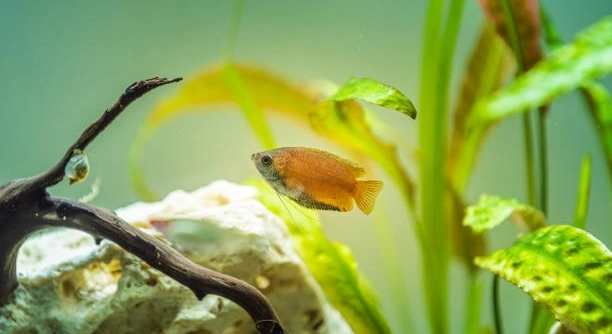
Gourami are popular aquarium fish known for their peaceful nature. However, sometimes they show changes in behavior that signal growing territorial instincts. Recognizing these signs early can help maintain harmony in your tank.
When gourami become territorial, they exhibit specific behaviors such as chasing other fish, flaring their fins, and guarding particular areas. These actions help them establish dominance and protect their chosen space from intruders within the aquarium environment.
Knowing these signs can help you manage your gourami better and keep your aquarium peaceful and balanced.
Increased Chasing and Aggression
When gourami start feeling territorial, one of the first things you might notice is an increase in chasing other fish around the tank. They may swim quickly after tank mates, trying to push them away from certain areas. This behavior can cause stress for the other fish and create tension in the aquarium. Aggression may also show through fin flaring, where the gourami spreads its fins wide to look bigger and warn others to keep their distance. These signs mean the fish is trying to claim its space.
Such behavior is more common when the tank is too small or lacks hiding spots. Providing enough room and decorations helps reduce stress and keeps gourami calmer.
Being aware of these changes allows you to intervene early, preventing fights and keeping your fish safe.
When gourami chase often, it’s a clear sign they want control over their territory.
Guarding and Nesting Spots
Territorial gourami usually pick specific spots in the tank to guard closely. These areas often include places with plants, caves, or floating leaves where they feel secure. Male gourami especially become protective of these spots, sometimes building bubble nests for breeding. They stay near these nests and chase away other fish that come too close. Guarding behavior can last for days or weeks, depending on the fish’s mood and environment.
This guarding instinct is natural and part of their breeding behavior, but it can also lead to conflicts if the tank is overcrowded. To ease tension, try arranging the tank with multiple hiding spots and separate territories. This way, gourami can feel safe without competing too much. Watching for signs like lingering in one place or aggressive displays near a specific area helps identify territorial guarding. Taking these steps creates a calmer environment for everyone in the tank.
Changes in Color and Body Language
Gourami often show changes in color when they become territorial. Their colors may darken or become more intense, signaling readiness to defend their space. This is a clear visual cue that something is different in their behavior.
These color changes are linked to stress and dominance. When a gourami feels threatened or wants to assert control, its body language also shifts. You may see it hold its body straighter, puff up its chest, or spread its fins more than usual. These actions make the fish appear larger and more intimidating.
Such displays help the gourami communicate with others without immediate fighting. It’s important to watch these signs closely because they reveal how your fish is feeling. Adjusting tank conditions or rearranging decorations can help reduce stress and lessen these aggressive displays over time.
Increased Territory Marking
Territorial gourami may mark their space by patrolling the area frequently. They swim back and forth along the boundaries of their chosen spot, making it clear to others this is their territory. This constant movement is a way to warn intruders.
This behavior is a form of boundary setting that helps gourami avoid direct fights. They prefer to show dominance through presence rather than constant aggression. However, if the tank is small, this marking can lead to more frequent conflicts because there isn’t enough space to spread out. Adding plants or decorations to create natural barriers can help gourami feel less threatened and reduce the need to patrol aggressively. Monitoring this behavior helps maintain balance and prevents stress among all the fish in your aquarium.
Flaring Fins
Flaring fins is a common sign that gourami are feeling territorial. They spread their fins wide to appear larger and warn other fish to stay away. This display can look impressive but signals aggression.
This behavior is usually temporary but may happen often if the gourami feels its space is threatened. Watching for flaring helps identify when tensions rise in the tank.
Increased Hiding
When gourami become territorial, some may also hide more to avoid conflicts. They seek shelter in plants or decorations to stay safe from aggressive tank mates. This hiding is a way to cope with stress.
If you notice a usually active gourami staying hidden a lot, it might mean there’s increased aggression or territorial disputes nearby.
Sudden Changes in Appetite
Territorial gourami sometimes eat less or lose interest in food. Stress and aggression can affect their appetite, causing them to avoid feeding times. This change can impact their health if it lasts too long.
If you see your gourami eating less, check for signs of territorial behavior or tank issues. Adjusting the environment can help restore normal feeding habits.
FAQ
How can I tell if my gourami is being territorial or just aggressive?
Territorial behavior in gourami often includes specific signs like fin flaring, chasing, and guarding a particular spot. Aggression can be broader and may not focus on one area. Territorial gourami tend to protect a certain part of the tank, while general aggression might be more random or constant. Watching their body language and where they focus their actions helps differentiate between the two.
What causes gourami to become territorial?
Territorial behavior usually arises from limited space or competition for resources like food or nesting sites. Gourami naturally want to claim areas that feel safe. Overcrowding or lack of hiding spots can increase territorial disputes. Stress from poor water conditions or incompatible tank mates also plays a role.
Can I prevent territorial behavior in gourami?
Yes, there are ways to reduce territorial behavior. Providing a larger tank, adding plenty of plants and decorations for hiding, and avoiding overcrowding all help. Choosing compatible tank mates and maintaining good water quality also lessen stress and aggression.
Is territorial behavior harmful to other fish?
It can be if left unchecked. Chasing and aggression may cause stress or injury to more passive fish. Some may hide constantly or lose appetite. It’s important to monitor your tank and intervene if aggression becomes severe to keep all fish healthy.
Should I separate territorial gourami?
Separating gourami can be necessary if fights become intense or fish are injured. Using tank dividers or a separate tank for aggressive individuals helps maintain peace. However, adjusting the environment first is usually better before resorting to separation.
How long does territorial behavior last?
Territorial behavior can last days or weeks, especially during breeding periods. Males guarding nests are often more aggressive during this time. After breeding or once dominance is established, the behavior may lessen.
Does territorial behavior affect gourami health?
Prolonged stress from territorial disputes can weaken gourami’s immune systems and reduce appetite. This makes them more prone to illness. Ensuring a calm environment and proper care helps maintain their health.
Are some gourami species more territorial than others?
Yes, certain species like the dwarf gourami tend to be more territorial, especially males. Larger species may be less aggressive but still show territorial signs depending on tank conditions. Knowing your gourami species helps anticipate behavior.
What tank size is best to reduce territorial disputes?
A tank size of at least 20 gallons is recommended for a pair of gourami to allow enough space for territory. Larger tanks are better for multiple fish, reducing competition and stress.
Can decorations help reduce territorial behavior?
Absolutely. Plants, rocks, and caves create natural barriers and hiding spots that break sight lines. This reduces direct confrontations and helps gourami establish separate territories peacefully.
How do I calm down an aggressive gourami?
Improving tank conditions, increasing hiding places, and ensuring enough space usually calm gourami. Sometimes rearranging the tank disrupts established territories and reduces fights. Avoid sudden changes, but gradual adjustments help.
Is breeding related to territorial behavior?
Yes, during breeding, male gourami become very territorial to protect their nests. This behavior is natural but can cause increased aggression. Providing extra space and hiding spots helps manage breeding territoriality.
Final Thoughts
Understanding when gourami are becoming territorial is important for keeping your aquarium peaceful and healthy. These fish usually have calm and gentle personalities, but changes in their behavior can happen as they try to protect their space. Watching for signs like chasing, fin flaring, or guarding certain areas helps you know when they are feeling territorial. Recognizing these signals early means you can make changes to the tank that prevent fights and stress.
Managing territorial behavior mostly comes down to the environment you provide. A tank that is too small or crowded makes gourami more likely to compete over space and resources. Adding plants, decorations, and hiding spots gives each fish a place to feel safe and reduces the chances of conflict. Keeping the water clean and stable also lowers stress, which can worsen aggressive behavior. Sometimes simply rearranging the tank can help break up established territories and calm your gourami.
It’s important to remember that some level of territorial behavior is natural for gourami, especially during breeding times. This is part of their instincts and helps them feel secure. However, if the aggression becomes harmful to other fish or the gourami themselves, action is needed. Separating aggressive individuals or upgrading the tank setup can make a big difference. With a little attention and care, you can create a balanced aquarium where gourami and other fish live together peacefully.

Hello,
If you enjoy the content that we create, please consider saying a "Thank You!" by leaving a tip.
Every little bit helps us continue crafting quality advice that supports the health, happiness, and well-being of pets around the world, for pets of all shapes, sizes, and species.
We really appreciate the kindness and support that you show us!