
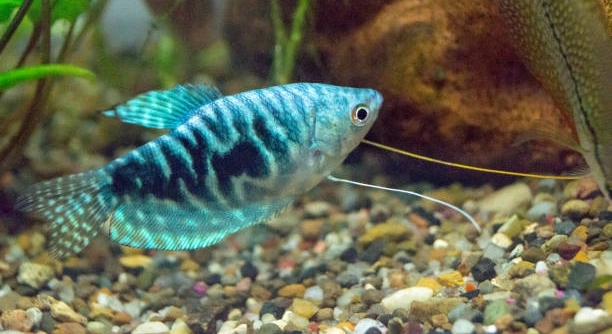
Is your gourami spending a lot of time resting at the top of the tank, making you wonder if something is wrong?
Gouramis often rest at the top due to low oxygen levels, poor water quality, illness, or stress. Understanding these causes is essential for maintaining a healthy and comfortable environment for your fish.
Learning about the specific reasons can help you make small but important changes that improve your gourami’s overall health and behavior.
Low Oxygen Levels in the Tank
Low oxygen levels are one of the main reasons gouramis rest at the top. These fish have a labyrinth organ that lets them breathe surface air, but they still rely on dissolved oxygen in the water. When the tank is poorly aerated, your gourami may rise to the top more often to get the air it needs. This is especially common in tanks with still water, high temperatures, or overcrowding. Without enough oxygen, fish can become sluggish and stressed. You might also notice other signs like rapid gill movement or less interest in food. Adding an air stone, increasing surface movement, or adjusting your filtration system can help improve oxygen levels. It’s also helpful to check if your tank is overstocked or if plants and debris are blocking proper circulation. Making these changes often brings noticeable improvements in your gourami’s behavior within a few days.
In warmer tanks, oxygen levels drop quickly. This makes it harder for your gourami to breathe underwater, so it floats near the surface more often.
Using a reliable thermometer and adjusting your tank’s temperature can help. Aim for stable conditions, as sudden changes stress fish. Also, clean filters regularly to avoid clogging and improve flow.
Poor Water Quality
Bad water quality causes stress and discomfort. Fish rely on clean water to stay healthy. If ammonia, nitrite, or nitrate levels rise, your gourami may show signs like staying near the top, clamped fins, or loss of appetite.
A tank with irregular maintenance, leftover food, or waste buildup can lead to serious water issues over time. Your gourami might float at the surface not to get air, but because it’s trying to avoid harmful substances lower in the tank. Testing the water weekly helps you spot problems early. Look for high ammonia or nitrite levels and cloudy water. Perform partial water changes (around 25%) regularly and remove uneaten food promptly. A good filter helps, but it can’t fix everything on its own. Gravel vacuuming and checking for decaying plants also help reduce harmful buildup. Clear, clean water gives your gourami the best chance to stay active and swim comfortably throughout the tank.
Stress from Tank Mates
Aggressive or overly active tank mates can make your gourami feel unsafe. When stressed, it may choose to stay near the top where it feels less threatened and has space to escape. Constant chasing or fin-nipping increases anxiety and impacts your gourami’s health.
Gouramis are generally peaceful but can become overwhelmed by more aggressive or territorial fish. Fast swimmers may also outcompete them for food, adding to the stress. If your gourami is avoiding others, hiding, or seems inactive except when near the surface, tank mates might be the issue. Watch for chasing, nipping, or one fish always hovering too close. If needed, separate the aggressive fish or rearrange the tank decor to create more hiding spots. Adding tall plants or caves can offer security and give your gourami space. It’s also helpful to research which species are more compatible to avoid future problems.
Reducing stress improves behavior and health. Over time, your gourami may become more active and explore more of the tank. Be patient, and monitor how it interacts after changes. Sometimes even one different fish can make a big difference. Keep feeding consistent and make the tank feel calm and balanced. A peaceful environment helps your gourami feel secure and stay active throughout the day.
Illness or Infection
Illness often causes gouramis to isolate at the top. You might also see signs like pale color, fin damage, or odd swimming patterns. Infections can make it harder for your fish to move or breathe, especially if the gills are affected.
Bacterial or parasitic infections are common in freshwater tanks. Your gourami may have trouble swimming properly or appear bloated. Sometimes it floats at the top because it’s easier to stay there when it’s weak or in pain. Watch for white patches, red streaks, or swelling—these can mean something is wrong. Quarantine sick fish when possible and treat with the right medication. Use a separate tank if you can, or follow safe treatment practices in your main tank. Clean water, steady temperature, and stress-free conditions can help with recovery. Acting early gives your gourami a better chance to heal and stay active in its tank again.
Poor Diet or Irregular Feeding
A poor diet can affect your gourami’s energy and behavior. Without enough nutrients, it may become weak and rest near the top more often. Irregular feeding times also cause stress and confusion, making it harder for your fish to stay active.
Feeding too much at once or using low-quality food can lead to bloating or digestive issues. These problems may cause your gourami to float near the surface for comfort. Keep a simple feeding schedule and use a mix of high-quality pellets and occasional frozen treats for balance.
Old Age
Older gouramis naturally slow down and rest more. You may notice them spending extra time near the top, especially if they’ve been in your care for several years. Their bodies become less active, and they prefer staying where breathing is easier.
Sleeping or Resting
Gouramis sometimes float near the top when resting or sleeping, especially at night or during quiet periods. If your fish seems alert during feeding and shows no signs of illness or stress, it may simply be taking a break.
FAQ
Why is my gourami always at the top of the tank?
Your gourami may be at the top because it’s trying to get more oxygen. Low oxygen levels, stress, or poor water quality often cause this. It might also rest there if it feels sick or weak. Check the tank’s conditions and your fish’s behavior to find the cause.
Is it normal for gouramis to stay at the surface sometimes?
Yes, gouramis have a labyrinth organ that lets them breathe air from the surface. It’s normal for them to come up occasionally, especially when resting or when oxygen in the water is lower than usual. However, if it’s all the time, it may indicate a problem.
How can I improve oxygen levels in my tank?
Make sure your tank has good water movement by using a filter or air stone. Avoid overcrowding, and keep the temperature stable because warm water holds less oxygen. Regular water changes and plants can also help maintain good oxygen levels.
What signs show my gourami might be sick?
Look for changes like loss of color, clamped fins, slow movement, or spots on the body. Your gourami may stop eating or have trouble swimming. Floating at the surface constantly can be a sign of illness, especially if combined with other symptoms.
How often should I test my tank water?
Test water weekly for ammonia, nitrites, nitrates, and pH levels. Keeping these in safe ranges prevents stress and illness. Regular testing helps catch problems early before they harm your gourami.
Can stress from other fish cause my gourami to stay near the top?
Yes, aggressive or overly active tank mates can stress your gourami. It may stay near the surface to avoid being chased or bullied. Creating hiding spots or separating aggressive fish can help reduce stress.
Is resting at the top a sign of aging in gouramis?
Older gouramis often rest more and may float near the surface because it’s easier to breathe. This behavior is normal for senior fish but should not come with signs of illness or distress.
What diet helps keep gouramis healthy and active?
A balanced diet with high-quality pellets, flakes, and occasional live or frozen foods like brine shrimp or bloodworms supports good health. Avoid overfeeding and keep a regular feeding schedule to prevent digestive problems.
Can temperature changes affect my gourami’s behavior?
Yes, sudden or extreme temperature changes stress gouramis. Water that’s too warm lowers oxygen levels, causing them to rest near the top. Keep the tank temperature stable, ideally between 75-82°F (24-28°C).
What should I do if my gourami is sick?
Isolate the sick fish if possible and test the water. Use appropriate medication based on symptoms and follow instructions carefully. Keep the water clean and maintain good tank conditions to support recovery.
Is it okay if my gourami rests near the surface at night?
Yes, resting near the surface at night or during quiet times is normal behavior. Gouramis often prefer the top when resting, especially if the tank environment is calm and healthy.
How can I reduce stress for my gourami?
Provide plenty of hiding spots, maintain good water quality, avoid overcrowding, and keep peaceful tank mates. A stable environment helps gouramis feel secure and lowers stress levels.
Should I change my gourami’s water more often if it rests at the top?
If your gourami is resting at the surface, more frequent partial water changes can help improve water quality and oxygen levels. Aim for 20-30% water changes weekly to keep the tank clean and healthy.
Can poor filtration cause my gourami to stay at the top?
Yes, poor filtration can reduce oxygen and increase toxins, making your gourami uncomfortable. Ensure your filter is working well, clean it regularly, and consider adding an air stone to boost oxygen circulation.
How do I know if my gourami is stressed or sick?
Stress signs include hiding, loss of appetite, erratic swimming, or staying at the surface constantly. Illness signs are more severe, such as discoloration, swelling, or difficulty breathing. Early detection improves treatment success.
Is it normal for gouramis to come to the surface during feeding?
Yes, gouramis often swim near the top when feeding. This is natural behavior and shows they are alert and interested in food. However, if they remain there all the time, it could signal other issues.
What role do plants play in gourami health?
Plants help improve water quality and oxygen levels. They also offer hiding spots that reduce stress. Including live plants in your tank creates a more natural and comfortable environment for your gourami.
Can overcrowding make my gourami stay at the top?
Overcrowded tanks reduce oxygen and increase waste, stressing your fish. Gouramis may rest at the surface to breathe easier. Keeping the right number of fish for your tank size prevents these problems.
How long does it take for a stressed gourami to recover?
Recovery time depends on the cause but usually takes several days to weeks with proper care. Improving water quality, reducing stress, and providing good nutrition speed up healing. Patience is important during this time.
Resting at the top of the tank is a common behavior for gouramis, but it can signal different things depending on the situation. Sometimes, it is normal for them to come up to breathe air or rest in a quiet spot. Other times, it could be a sign of stress, poor water quality, illness, or even an issue with tank mates. Understanding why your gourami spends more time at the surface helps you take the right steps to keep it healthy and comfortable. Watching your fish closely and checking your tank regularly can make a big difference in spotting problems early.
Maintaining good water quality is one of the most important things you can do for your gourami. Regular water changes, proper filtration, and monitoring water parameters like ammonia and oxygen levels keep the environment safe for your fish. Temperature control and avoiding overcrowding also play key roles in preventing stress. Providing a balanced diet and creating hiding places in the tank helps your gourami feel secure. Taking care of these basics often reduces unwanted behaviors, including resting at the top too much.
If your gourami’s behavior changes suddenly or shows signs of illness, it is important to act quickly. Isolating the fish, testing water quality, and treating for common diseases can prevent problems from getting worse. Stress from tank mates or poor conditions needs attention as well. With patience and proper care, many issues can be resolved, helping your gourami return to normal activity. Keeping your tank clean and stable will support a healthy fish and a peaceful aquarium environment overall.

Hello,
If you enjoy the content that we create, please consider saying a "Thank You!" by leaving a tip.
Every little bit helps us continue crafting quality advice that supports the health, happiness, and well-being of pets around the world, for pets of all shapes, sizes, and species.
We really appreciate the kindness and support that you show us!