
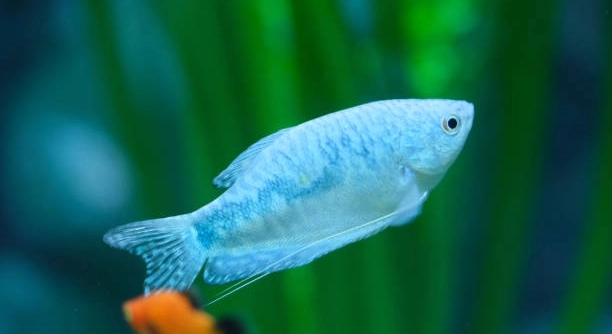
Gouramis are popular freshwater fish known for their vibrant colors and peaceful nature. Observing them swim in circles can be puzzling and sometimes concerning for owners. This behavior often signals specific environmental or health factors affecting the fish.
Gouramis swimming in circles typically indicate stress, illness, or water quality issues. Common causes include infections, poor water conditions, or neurological problems. Addressing these factors promptly can improve their behavior and overall well-being.
Recognizing the reasons behind this behavior helps maintain a healthy aquarium and supports your gouramis’ comfort and longevity.
Common Causes of Gouramis Swimming in Circles
Gouramis swimming in circles usually point to specific problems that require attention. One major reason is poor water quality. When ammonia, nitrite, or nitrate levels rise, fish become stressed, which can lead to abnormal swimming. Another frequent cause is an infection or disease. Parasites, bacterial infections, or swim bladder disorders often affect their balance and swimming patterns. Neurological damage, either from injury or toxins, can also cause circular swimming. Additionally, overcrowding and aggressive tank mates might stress gouramis, leading them to swim erratically. Monitoring water parameters and keeping the tank clean are essential to preventing these issues. Regular observation helps catch early signs before problems worsen. Proper filtration and water changes maintain a stable environment. Providing a calm, spacious tank reduces stress and supports healthier behavior. Addressing these factors promptly improves your gouramis’ comfort and health.
Swim bladder problems are common among gouramis and often result in circular swimming. They affect buoyancy and balance.
Feeding habits can influence gourami behavior as well. Overfeeding or improper diet leads to digestive issues that impact their swimming. Gouramis require a balanced diet rich in protein and plant matter. Avoid overfeeding, which can cause bloating and swim bladder stress. Feeding small amounts multiple times a day is better than one large meal. Using high-quality pellets or flakes designed for gouramis helps meet their nutritional needs. Occasionally supplement their diet with live or frozen foods like brine shrimp or bloodworms. Healthy digestion contributes to stable swimming patterns and overall vitality. Watching how your gouramis eat can reveal early signs of health problems, including swim bladder issues. Adjusting diet and feeding routines often improves their condition without medication.
Environmental Stress and Its Effects on Gouramis
Environmental stress often causes unusual swimming patterns, including swimming in circles. Changes in temperature, water chemistry, or lighting can unsettle gouramis. They thrive best in stable conditions with temperatures between 74°F and 82°F (23°C to 28°C). Sudden shifts or extremes cause discomfort and erratic behavior. Tank size also matters; small, cramped tanks limit movement and increase stress. Gouramis prefer moderate to heavily planted tanks that offer hiding spots. Bright, direct light may overwhelm them, so subdued lighting is preferred. Noise and vibrations around the tank can trigger stress as well. Regular maintenance and monitoring of tank conditions reduce stress levels. Stable environments promote natural behavior and reduce the chances of health issues.
Maintaining proper water parameters and a calm environment is critical for gourami well-being.
Stress weakens gouramis’ immune systems, making them more vulnerable to illness. Stressed fish show signs such as clamped fins, loss of appetite, or lethargy besides unusual swimming. Reducing stress means consistent water quality, avoiding overcrowding, and limiting sudden changes in the tank. Introducing tank mates carefully is important since aggressive fish can intimidate gouramis. Keeping the tank clean, with regular water changes and debris removal, also helps. Observing your gouramis’ behavior daily lets you spot early signs of stress or illness. Prompt adjustments to the environment prevent further problems. Creating a peaceful, stable habitat is essential to their health and prevents abnormal swimming behaviors.
Identifying Health Issues in Gouramis
Signs like loss of appetite, lethargy, or discoloration often accompany circular swimming. Monitoring these symptoms helps determine if medical treatment is needed.
Swim bladder disorder is a common health issue causing balance problems in gouramis. This condition disrupts buoyancy, making fish swim in circles or float abnormally. Causes include infections, constipation, or injury. Treating swim bladder disorder involves improving water quality, adjusting diet, and sometimes using medication. Regular observation and early intervention reduce the risk of permanent damage and improve recovery chances.
Parasites and bacterial infections also cause erratic swimming. These infections weaken gouramis, affecting their nervous system and coordination. Quarantine new fish and maintain tank cleanliness to prevent disease spread. If infection occurs, consult a veterinarian or use appropriate treatments quickly to avoid severe health decline.
Preventing Circular Swimming in Gouramis
Stable water conditions are essential to prevent abnormal swimming. Frequent testing for ammonia, nitrites, and nitrates keeps the environment safe for gouramis.
Maintaining a consistent temperature between 74°F and 82°F supports gouramis’ health and behavior. Avoid sudden temperature changes, as they cause stress and disorientation. Providing hiding spots and plants reduces anxiety. Feeding a balanced diet in small amounts prevents digestive issues that may lead to swim bladder problems. Regular water changes, tank cleaning, and proper filtration maintain water quality and limit toxins. Careful selection of compatible tank mates minimizes stress. These steps create an environment that supports normal swimming behavior and long-term fish health.
Observing Behavior Changes Early
Noticing subtle changes in gouramis’ behavior can prevent serious health issues. Watch for signs like unusual swimming, loss of appetite, or color fading. Early detection allows timely care.
Consistent daily observation helps catch problems before they worsen. Small adjustments to environment or diet can often resolve minor issues and keep gouramis healthy.
When to Seek Professional Help
If gouramis continue swimming in circles despite improved conditions, professional advice is necessary. Persistent symptoms may indicate serious infections or neurological damage requiring expert treatment.
Veterinarians or experienced aquarists can provide accurate diagnoses and recommend appropriate medications or therapies. Do not delay seeking help if behavior does not improve.
Using Aquarium Accessories
Tools like water test kits and aquarium heaters help maintain stable conditions. Regular monitoring supports gouramis’ health and reduces stress.
FAQ
Why are my gouramis swimming in circles nonstop?
Continuous circular swimming usually points to stress, illness, or swim bladder issues. Stress can come from poor water quality, aggressive tank mates, or sudden environmental changes. Illnesses like bacterial infections or parasites affect their nervous system and coordination. Swim bladder problems disrupt balance, causing repetitive spinning. Checking water parameters, observing for other symptoms, and reviewing tank conditions are important first steps. If the behavior continues, consider consulting a specialist for diagnosis and treatment.
Can swim bladder disorder be cured in gouramis?
Swim bladder disorder can often be managed or cured if caught early. Treatment involves improving water quality, adjusting diet, and sometimes using medication to address infections. Feeding peas or high-fiber foods can relieve constipation that affects the swim bladder. Reducing stress and keeping the tank clean support recovery. However, severe cases or those caused by neurological damage might have limited recovery. Regular monitoring and early intervention improve outcomes.
How does water quality affect gourami behavior?
Poor water quality leads to stress and illness, which often show in abnormal swimming patterns like circling. High levels of ammonia, nitrites, or nitrates irritate fish and weaken their immune system. Dirty tanks also promote infections. Maintaining clean water with regular changes, proper filtration, and testing ensures a stable environment that supports normal behavior and overall health.
What tank size is best for gouramis to prevent stress?
A tank of at least 20 gallons is recommended for most gourami species to allow enough swimming space and reduce stress. Larger tanks offer better water stability and room for plants or hiding spots. Overcrowding increases aggression and competition, causing anxiety and abnormal behavior. Providing sufficient space helps gouramis feel secure and swim naturally.
Can tank mates cause gouramis to swim in circles?
Yes. Aggressive or overly active tank mates can stress gouramis, leading to erratic swimming. Gouramis are peaceful fish and do best with calm species. Bullying or constant chasing disrupts their comfort and can cause stress-related behaviors, including circling. Selecting compatible fish and providing hiding spots reduces conflict.
How often should I test my aquarium water to keep gouramis healthy?
Testing water weekly is a good practice for maintaining optimal conditions. Frequent checks detect harmful changes early, allowing quick correction. Key parameters to monitor are ammonia, nitrites, nitrates, pH, and temperature. Consistent testing prevents buildup of toxins and keeps gouramis comfortable.
What are common signs of illness in gouramis besides swimming in circles?
Signs include loss of appetite, faded colors, clamped fins, lethargy, rapid gill movement, or white spots. Behavioral changes such as hiding or erratic swimming also signal health problems. Early detection of these symptoms helps in timely treatment and prevents worsening conditions.
Is diet important for preventing swimming problems in gouramis?
Diet greatly affects gourami health and swimming behavior. Overfeeding can cause constipation and swim bladder issues. Feeding a balanced diet with high-quality flakes, pellets, and occasional live or frozen foods supports digestion and energy levels. Small, frequent meals are better than one large feeding to avoid bloating and digestive stress.
Can changes in water temperature cause circular swimming?
Sudden or extreme temperature changes stress gouramis and may cause disorientation or unusual swimming. Keeping the temperature steady within the ideal range of 74°F to 82°F helps maintain normal behavior. Using an aquarium heater and avoiding drafts or direct sunlight on the tank supports temperature stability.
What should I do if my gourami is injured and starts swimming in circles?
Injuries affecting the nervous system or fins can cause balance problems. Isolate the injured fish in a quarantine tank to prevent further harm. Clean water and gentle treatment support healing. Consult a veterinarian for appropriate medication if infections are suspected. Avoid handling the fish unnecessarily to reduce stress.
Are there any natural remedies to help gouramis with swim bladder issues?
Feeding shelled, cooked peas can help relieve constipation that impacts swim bladder function. Increasing water temperature slightly may improve digestion. Some hobbyists use Epsom salt baths at low doses to reduce swelling and improve buoyancy. Always research and use remedies carefully to avoid further harm.
How long does it take for gouramis to recover from stress-induced circular swimming?
Recovery time varies depending on the cause and severity of stress. Improving water quality and environment can show results within days. Illness or swim bladder disorders might take weeks with proper care and treatment. Patience and consistent maintenance are essential for full recovery.
Can overcrowding cause gouramis to swim in circles?
Yes, overcrowded tanks cause stress and competition for space. This leads to erratic or repetitive swimming as gouramis try to escape pressure or establish territory. Maintaining proper stocking levels and providing hiding places help reduce stress and promote normal swimming.
Is it normal for gouramis to swim in circles occasionally?
Occasional circling is not unusual and may be part of normal exploration or social behavior. Persistent or frantic circling, however, signals problems. Observing the frequency and context of this behavior helps distinguish normal from concerning patterns.
Can lighting conditions affect gourami swimming behavior?
Harsh or fluctuating lighting stresses gouramis and may cause them to swim abnormally. Soft, natural lighting with some shaded areas mimics their preferred habitat. Avoid bright direct light and sudden changes to reduce stress and encourage normal behavior.
Final Thoughts
Gouramis swimming in circles is often a sign that something in their environment or health needs attention. This behavior should not be ignored because it may indicate underlying problems such as stress, illness, or swim bladder issues. Observing the fish carefully and maintaining good tank conditions are the first steps to address the problem. Clean water, proper diet, and a calm environment help support their well-being and reduce unusual behaviors. Regular maintenance and observation are essential for keeping gouramis healthy and comfortable in their home.
Understanding the causes behind circular swimming can help prevent future issues. Most problems arise from avoidable factors such as poor water quality, incompatible tank mates, or sudden changes in temperature. These stressors can weaken gouramis, making them more vulnerable to infections and other health concerns. Keeping the tank stable and providing sufficient space improves their behavior and overall condition. Proper nutrition is also important, as overfeeding or an unbalanced diet may cause digestive troubles that affect swimming. Paying attention to these details creates a better environment for gouramis to thrive.
If the behavior persists despite good care, seeking advice from an experienced aquarist or veterinarian is necessary. Some conditions require treatment that cannot be managed through environmental changes alone. Early intervention increases the chance of recovery and prevents long-term damage. Patience is important, as healing can take time depending on the cause. Being proactive and attentive to your gouramis’ needs will ensure they remain active and healthy, allowing you to enjoy their natural behavior and beauty in the aquarium.

Hello,
If you enjoy the content that we create, please consider saying a "Thank You!" by leaving a tip.
Every little bit helps us continue crafting quality advice that supports the health, happiness, and well-being of pets around the world, for pets of all shapes, sizes, and species.
We really appreciate the kindness and support that you show us!