
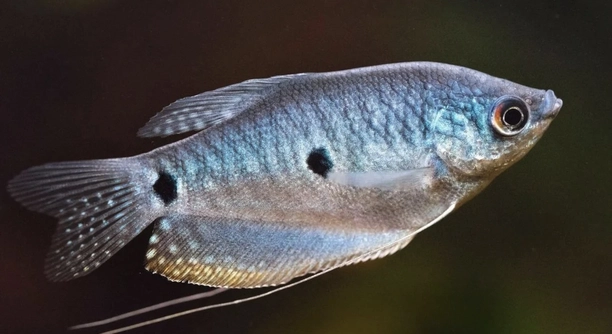
Gouramis are popular freshwater fish known for their bright colors and peaceful nature. Observing their behavior is common for fish keepers, especially when pacing becomes noticeable. This repetitive swimming can indicate various underlying issues in their environment or health.
Gourami pacing behavior often results from stress, poor water quality, insufficient tank space, or health problems. These factors disrupt their comfort and well-being, causing them to swim restlessly. Identifying the root cause is essential for improving their living conditions and reducing pacing.
Recognizing the causes behind pacing helps maintain a healthier aquarium. Addressing these factors will improve your gourami’s quality of life and promote a calm, balanced habitat.
Stress and Anxiety
Gouramis often pace when they feel stressed or anxious. This stress can arise from sudden changes in their environment, such as moving to a new tank or being introduced to unfamiliar fish. Loud noises or constant vibrations near the aquarium can also cause them to become uneasy. Stress affects their behavior and overall health, making it important to maintain a calm, stable environment. Ensuring consistent water temperature, avoiding sudden changes, and providing hiding spots can reduce their anxiety. Observing your gourami closely helps identify when stress is affecting them.
Stress in gouramis is usually linked to environmental disturbances or aggressive tank mates.
Providing a quiet space with plants or decorations where gouramis can retreat reduces their pacing. Regular monitoring and avoiding overcrowding also help maintain a peaceful tank. Reducing external disturbances and maintaining water quality lowers stress levels and improves their behavior over time.
Poor Water Quality
Poor water quality is a common reason gouramis exhibit pacing behavior. High levels of ammonia, nitrites, or nitrates can irritate their gills and cause discomfort. Inadequate filtration or irregular water changes contribute to this issue, making the tank environment unhealthy. Gouramis are sensitive to sudden shifts in pH or temperature, which can also lead to pacing. Keeping water clean with frequent tests and proper maintenance is crucial. Avoid overfeeding, as leftover food can pollute the water and increase toxin levels. Using a reliable filtration system and performing regular water changes keep the habitat safe and comfortable for gouramis.
Testing water parameters weekly helps prevent dangerous conditions. If water quality issues persist, gouramis may suffer from stress and illness, worsening pacing behavior. Keeping the tank clean and stable is the best way to promote their health and reduce pacing caused by water problems.
Insufficient Tank Size
A small tank limits a gourami’s movement and can cause pacing. They need enough space to swim freely and explore without feeling confined.
Keeping gouramis in tanks smaller than 20 gallons often leads to restless behavior. Overcrowding adds to this problem, increasing stress and reducing swimming space. Providing at least 20 gallons per gourami allows them to establish territory and move comfortably. Lack of space forces them to swim repeatedly along the tank edges, which is a sign of discomfort. Larger tanks with decorations and plants create a stimulating environment that keeps them engaged and less likely to pace.
Tank size directly impacts gouramis’ well-being. When space is limited, their natural behavior is restricted, leading to pacing. Increasing tank size and avoiding overcrowding improves their comfort, encourages natural activity, and reduces pacing over time.
Illness or Parasites
Pacing can be a sign of illness or parasites affecting gouramis. These conditions cause discomfort or pain, making them restless and unable to settle. Watching for other symptoms like lethargy, loss of appetite, or visible spots helps detect health problems early. Parasites may irritate their skin or gills, leading to frantic swimming or pacing.
Illness requires prompt action, including water testing and medication if needed. Quarantining sick fish prevents spreading to others in the tank. Regular observation and maintaining clean water reduce the risk of infections and parasites. Addressing health issues early can stop pacing behavior and help gouramis recover faster.
Lack of Environmental Enrichment
Gouramis need stimulation in their tank to stay mentally healthy. A bare tank can lead to boredom, causing pacing behavior as they search for something to do.
Adding plants, hiding spots, and decorations creates a more natural environment. This reduces pacing by providing places to explore and feel secure.
Aggressive Tank Mates
Aggressive fish can stress gouramis and trigger pacing as a response to feeling threatened. Avoid keeping gouramis with fin-nippers or highly territorial species to maintain peace in the tank.
Inadequate Diet
A poor diet lacking variety and nutrients weakens gouramis and affects their behavior. Feeding balanced, species-appropriate food supports their health and reduces pacing caused by discomfort or hunger.
Bright Lighting
Excessively bright lighting can stress gouramis and lead to pacing. Adjusting light intensity to a more natural level helps create a calm environment conducive to restful behavior.
FAQ
Why is my gourami pacing constantly?
Constant pacing usually indicates stress or discomfort. It can result from poor water quality, small tank size, or aggressive tank mates. Health problems such as illness or parasites also cause restless swimming. Reviewing the tank conditions, water parameters, and the fish’s health is important to find the cause and address it properly.
How can I reduce my gourami’s pacing behavior?
Improving water quality with regular changes and testing is essential. Providing enough space, about 20 gallons or more per gourami, helps reduce pacing. Adding plants and hiding spots creates a more natural and secure environment. Avoid keeping aggressive fish with gouramis and ensure a balanced diet to maintain their well-being.
Is pacing always a sign of illness?
Not always. While illness and parasites can cause pacing, other factors like stress, boredom, or poor tank conditions are common reasons. Observing additional symptoms such as loss of appetite, discoloration, or lethargy will help determine if illness is involved.
Can tank size alone cause pacing?
Yes. Small tanks restrict natural movement, forcing gouramis to swim repeatedly along tank edges. Overcrowding worsens this issue. Providing a spacious tank allows natural behavior and reduces pacing caused by feeling confined.
How often should I test the water to prevent pacing?
Weekly water testing is recommended to monitor ammonia, nitrite, nitrate, and pH levels. Keeping these within safe ranges prevents stress and health issues that may cause pacing.
Do gouramis need hiding places to feel comfortable?
Yes. Gouramis use plants and decorations as shelter. These hiding spots reduce stress and create a more natural environment, which lowers pacing behavior.
Can bright lighting affect my gourami’s behavior?
Excessive lighting can stress gouramis and cause pacing. Adjusting light intensity to mimic natural conditions helps create a calm atmosphere and supports restful behavior.
Should I isolate a pacing gourami?
Isolation is recommended only if illness or aggressive tank mates cause stress. Quarantining sick fish prevents spreading disease and allows focused care. For other causes, improving the tank environment is usually more effective.
What diet helps reduce pacing?
A varied diet with high-quality pellets, frozen, or live food supports health. Balanced nutrition reduces discomfort or hunger, which can cause pacing. Avoid overfeeding to maintain water quality.
How do I know if my gourami is stressed?
Signs include pacing, hiding excessively, loss of appetite, and faded colors. Stress often results from poor water conditions, tank mates, or environmental changes. Regular observation helps catch these signs early.
Can pacing harm my gourami?
Pacing itself is not directly harmful, but it indicates an underlying problem. Prolonged stress can weaken the immune system and increase susceptibility to disease. Addressing the cause improves their health and reduces pacing.
Are some gourami species more prone to pacing?
Some species may be more sensitive to environmental changes or stress. However, pacing generally depends more on tank conditions than species. Ensuring proper care reduces pacing across all gourami types.
What are common health issues linked to pacing?
Common problems include gill parasites, fungal infections, and bacterial diseases. These cause irritation and discomfort, leading to pacing. Early diagnosis and treatment improve recovery chances.
Can water temperature cause pacing?
Sudden changes or temperatures outside the recommended range (typically 74-82°F) cause stress and pacing. Maintaining stable, appropriate temperatures supports gourami health.
Is pacing behavior reversible?
Yes. Once the cause is identified and corrected, gouramis usually stop pacing. Improving tank conditions, diet, and health care leads to calmer behavior.
How long does it take for pacing to stop after changes?
It varies depending on the cause and severity. Some gouramis calm within days, while others may take weeks. Consistent care and monitoring are necessary for full recovery.
Final Thoughts
Pacing behavior in gouramis often signals that something in their environment or health needs attention. It is not normal for these fish to swim back and forth continuously without rest. Understanding the common causes, such as stress, poor water quality, or lack of space, helps in addressing the problem early. Taking care of these factors improves the fish’s well-being and can prevent more serious health issues in the future. Regular observation of their behavior provides important clues about their condition and tank environment.
Creating a stable and comfortable habitat is key to reducing pacing in gouramis. This includes maintaining clean water through frequent testing and water changes, offering enough swimming space, and avoiding aggressive tank mates. Adding plants and decorations gives them hiding spots and mental stimulation, which makes them feel more secure. Feeding a balanced diet that meets their nutritional needs also supports their health and reduces restlessness. Consistency in care and attention to detail lead to a calmer, healthier gourami.
It is important to remember that pacing is often a symptom, not the root problem itself. Addressing the underlying causes can take time and patience. Some issues, like illness or parasites, require prompt treatment to prevent worsening conditions. Others, like environmental stressors, improve gradually as changes are made. Being proactive and attentive to your gourami’s needs encourages a healthier life and more natural behavior. Maintaining proper care helps ensure these fish remain active without showing signs of pacing.

Hello,
If you enjoy the content that we create, please consider saying a "Thank You!" by leaving a tip.
Every little bit helps us continue crafting quality advice that supports the health, happiness, and well-being of pets around the world, for pets of all shapes, sizes, and species.
We really appreciate the kindness and support that you show us!