
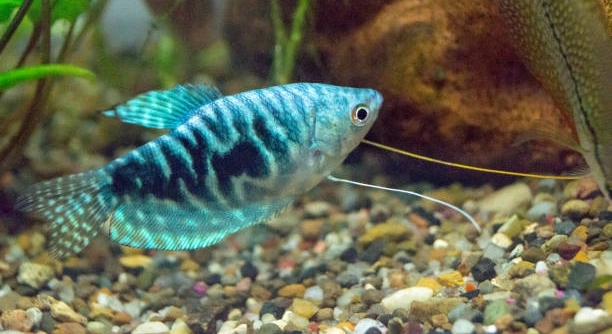
Gouramis are small freshwater fish known for their unique feelers. These feelers, called pelvic fins, help gouramis explore their environment in many interesting ways. They use these feelers to interact with objects and other fish around them.
Gouramis use their feelers primarily for sensing their surroundings, navigating through tight spaces, finding food, and communicating with other fish. These appendages serve as important tactile tools that enhance their survival and social behaviors in their aquatic habitat.
Learning about how gouramis use their feelers reveals much about their behavior and needs. This knowledge can help fish enthusiasts better care for these fascinating creatures and appreciate their natural habits.
How Gouramis Use Their Feelers to Sense Their Environment
Gouramis rely heavily on their feelers to understand what’s around them. These feelers, which are actually elongated pelvic fins, act like tiny antennas. When the fish swims through murky water or dark spaces, the feelers help it detect objects and surfaces nearby. This way, gouramis avoid bumping into things and can move smoothly even in tight spots. The feelers are covered with sensitive cells that pick up vibrations and changes in water pressure. This gives the fish detailed information about its environment without needing clear sight. Using their feelers, gouramis can find hiding spots or navigate through plants and rocks with confidence. The feelers also help them stay aware of any threats or movements around them, keeping them safe. In an aquatic habitat, being able to sense the environment precisely is very important for their survival.
Feelers help gouramis move safely in complex spaces and avoid obstacles with ease.
Understanding how gouramis use their feelers to explore their surroundings can improve aquarium setups. Providing plenty of plants and hiding places allows them to use their feelers naturally. It also helps reduce stress because the fish feel more secure. Observing how they move and touch things with their feelers reveals a lot about their comfort level. Fish that actively explore their environment are usually healthy and happy. Giving gouramis space to use their feelers encourages natural behavior, which benefits their well-being. Whether in a tank or natural water, feelers are key tools for interacting with their environment effectively.
Communication Through Feelers
Gouramis also use their feelers to communicate with other fish. These delicate fins send signals during social interactions.
The feelers help gouramis recognize one another and express feelings like aggression or calmness. When two gouramis meet, they may touch feelers to check each other out or establish dominance. This physical contact is a way to avoid fights by sending clear messages. The feelers also play a role during mating rituals, helping fish coordinate and show readiness to breed. Through gentle touches and movements, gouramis communicate without needing loud sounds or flashy colors. This subtle form of communication helps keep their social groups balanced and peaceful. Understanding this behavior can help in managing multiple gouramis together, reducing stress and aggression in tanks or ponds.
Finding Food Using Their Feelers
Gouramis use their feelers to locate food in their surroundings. These sensitive fins help detect small movements and vibrations in the water caused by prey or food particles.
When searching for food, gouramis slowly move their feelers along plants, substrate, and other surfaces. This careful exploration helps them find insects, larvae, and tiny bits of organic matter. The feelers act like tiny probes, allowing the fish to sense food even when visibility is low. This tactile method increases their chances of spotting hidden or camouflaged prey. It’s especially useful in murky water or at night when their eyesight is less effective. Using feelers to find food shows how gouramis adapt well to different conditions and remain successful hunters in their habitats.
This ability to detect food by touch supports gouramis’ survival and keeps their diet varied and balanced.
Navigating Through Tight Spaces
Feelers help gouramis move through narrow or crowded areas in their environment without injury. These fins guide them by constantly sensing nearby obstacles.
When swimming in dense vegetation or between rocks, gouramis rely on their feelers to avoid sharp or dangerous objects. The feelers provide real-time feedback on distance and texture, allowing the fish to adjust its movement carefully. This sensitivity helps prevent damage to their bodies, especially delicate fins and scales. It also allows them to explore areas that may hide food or offer shelter. Navigating tight spaces safely increases gouramis’ chances of finding resources and escaping predators. Their natural use of feelers shows how these small fish efficiently handle complex environments while minimizing risk. This adaptability is an important survival skill in their often crowded aquatic homes.
Detecting Danger Early
Gouramis use their feelers to sense predators nearby. The sensitive fins pick up vibrations in the water, alerting them to potential threats early.
This early warning system helps gouramis react quickly, whether by hiding or swimming away. It’s a key part of their survival strategy.
Exploring New Territories
Feelers allow gouramis to carefully examine unfamiliar areas before fully entering them. This cautious approach reduces risk and helps them find safe spots. By touching and sensing with their feelers, gouramis gather important information about their environment’s safety and structure.
Social Interaction
Gouramis also use their feelers to connect and interact with other fish in their group. This helps maintain social bonds and reduces conflicts.
What are gourami feelers and where are they located?
Gourami feelers are elongated pelvic fins that look like thin, thread-like appendages hanging below their bodies. These feelers are not just for show; they serve as tactile organs. Positioned near the belly, they extend downward and forward, allowing the fish to sense objects around them more precisely.
How do gouramis use their feelers to sense their environment?
Gouramis use their feelers to explore and understand their surroundings by touching surfaces and detecting water vibrations. These fins are highly sensitive to changes in water pressure, which helps gouramis navigate through murky waters or tight spaces where their eyesight may not be reliable. The feelers act as an early detection tool for obstacles or changes nearby.
Can gouramis use their feelers to find food?
Yes, gouramis actively use their feelers to locate food. By moving these fins along plants, gravel, or other surfaces, they pick up subtle movements and vibrations caused by small prey like insects or larvae. This tactile searching allows them to detect hidden or camouflaged food sources that might be missed by sight alone.
Do gouramis communicate with each other using their feelers?
Gouramis do use their feelers to communicate. During social interactions, especially when meeting other gouramis, they often touch or wave their feelers to send signals. This can show dominance, submission, or readiness to mate. These gentle touches reduce the chance of physical fights by providing clear, non-verbal communication.
Are gourami feelers important for avoiding danger?
Absolutely. The feelers help gouramis sense predators by detecting vibrations and movements in the water. This early warning system gives them time to react, either by hiding or swimming away. Because gouramis live in environments with many potential threats, this sensitivity is crucial for their survival.
How do feelers help gouramis move in crowded or complex habitats?
Feelers act as guides when gouramis swim through dense plants or narrow spaces. They continuously sense the proximity of obstacles, preventing injury and allowing smooth movement. This ability is essential because gouramis often live in heavily planted areas or places with many hiding spots where sharp rocks or branches could be dangerous.
Can the condition of gourami feelers indicate their health?
Yes, healthy gouramis usually have intact, active feelers. If a gourami’s feelers appear damaged, frayed, or missing, it could signal stress, injury, or poor water conditions. Monitoring their feelers along with overall behavior helps identify if the fish is well cared for or needs attention.
Do all gouramis have feelers, or is it specific to certain species?
Most gouramis have these feelers, but the size and shape can vary between species. They all serve the same basic function of sensing and exploring the environment. Some species may have longer or more flexible feelers, adapted to their specific habitats and lifestyles.
How should aquarium owners support gouramis’ use of their feelers?
Providing a tank with plenty of plants, rocks, and hiding places encourages natural use of feelers. Gentle water flow and clean conditions reduce stress, which helps keep feelers healthy. Avoid sharp decorations that could damage these delicate fins. Creating a safe and stimulating environment helps gouramis feel secure and promotes their natural behaviors.
Do feelers grow back if damaged?
Gouramis can regenerate damaged feelers over time, but the process depends on the extent of injury and overall health. Good water quality, proper diet, and low stress levels speed up recovery. Preventing damage by maintaining a safe habitat is the best way to keep feelers functional and intact.
Are gourami feelers involved in mating behavior?
Yes, feelers play a role during courtship. Males may use their feelers to gently touch females, signaling readiness to breed. This tactile communication helps coordinate mating behaviors and strengthens bonding between partners. The subtle use of feelers reduces aggression and improves chances of successful reproduction.
Can gouramis survive without their feelers?
While gouramis might survive without feelers, their ability to sense the environment, find food, and communicate would be limited. Losing feelers can cause stress and make them more vulnerable to injury or predation. Supporting their natural use and protecting these fins improves their overall health and quality of life.
Gouramis are fascinating fish that use their feelers in many important ways. These thin, sensitive fins help them explore their surroundings, find food, avoid danger, and communicate with other fish. Understanding how gouramis rely on their feelers shows how well adapted they are to their environments. Their feelers act as important tools that make life easier and safer in water where visibility is often limited. Without these feelers, gouramis would face more challenges in finding food or moving through tight spaces. The way they use their feelers reflects a natural balance between sensing the world and reacting quickly to what they find.
In aquariums, it is important to support gouramis’ natural behavior by providing environments where they can use their feelers comfortably. Adding plants, rocks, and hiding spots allows gouramis to explore and interact with their space in healthy ways. Keeping the water clean and safe prevents injuries to their delicate feelers. When gouramis feel secure and can rely on their feelers, they tend to be more active and show natural behaviors that are interesting to watch. By creating a tank that respects how gouramis use their feelers, owners can help these fish live happier and healthier lives.
Overall, gouramis’ feelers are small but powerful tools that play a big role in their survival and daily activities. From sensing nearby objects to communicating with other fish, feelers are essential for many reasons. Observing how gouramis move and touch things with their feelers can give insights into their mood and health. It is worth paying attention to these details if you care for gouramis or simply enjoy learning about fish behavior. Respecting the role of feelers helps us better understand these unique creatures and appreciate the clever ways they adapt to their watery homes.

Hello,
If you enjoy the content that we create, please consider saying a "Thank You!" by leaving a tip.
Every little bit helps us continue crafting quality advice that supports the health, happiness, and well-being of pets around the world, for pets of all shapes, sizes, and species.
We really appreciate the kindness and support that you show us!