
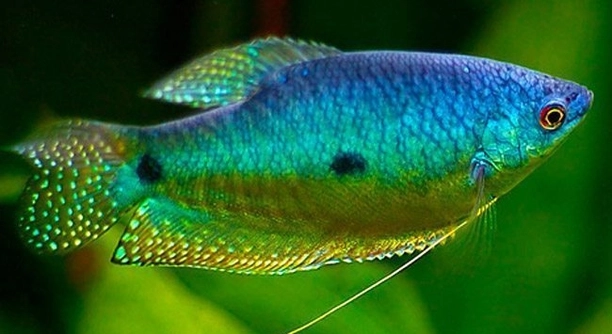
Is your gourami acting strangely quiet all of a sudden, leaving you unsure of what might be going on in its tank?
The most common reason gourami suddenly go quiet is stress caused by changes in their environment. Poor water quality, sudden temperature drops, or aggressive tank mates can cause your fish to become withdrawn and inactive.
Environmental changes aren’t the only possible cause. Sometimes, health issues, diet shifts, or even boredom can lead to unexpected silence in your gourami’s usual behavior. Let’s explore the different reasons to help you better care for your quiet companion.
Sudden Changes in Water Conditions
When water conditions shift quickly, gourami can react by going quiet and hiding more often. These fish are sensitive to their environment, especially to changes in temperature, pH, and ammonia levels. If the tank is not properly maintained or if water parameters fluctuate too much, gourami can become stressed. This stress affects their behavior, causing them to stop swimming actively or interacting like they usually do. Testing the water regularly is important, even if everything seems fine. Clean water that stays within stable ranges helps them stay healthy and active. Be cautious during water changes—sudden temperature drops or chemical imbalances from tap water can have a noticeable effect. Make sure to condition the water and try not to disturb their setup too much. Gourami are calm by nature, but when their habitat becomes unstable, they often become silent and withdrawn as a form of stress response.
Changes in water temperature or pH levels, even by a small amount, can make a gourami act different right away.
To avoid these issues, use a reliable test kit to check ammonia, nitrite, nitrate, and pH levels at least once a week. Make water changes slowly and use a thermometer to maintain stable temperature. If levels seem off, do a partial water change with treated water and observe the fish afterward. Don’t rely solely on clear water as a sign that everything is okay. Sometimes toxins are invisible, and stress can build quietly. If your gourami stays quiet for more than a day after a water change or environmental shift, it’s likely reacting to poor water conditions. Restoring stability in the tank should help it become active again.
Tank Mates Causing Stress
Aggressive tank mates are a common cause of behavioral changes in gourami, especially sudden silence or hiding.
Gourami are generally peaceful and do best with calm tank mates. When they are kept with fish that chase, nip fins, or crowd their space, they may respond by becoming quiet and withdrawn. Over time, they might even develop health problems due to constant stress. Common aggressive species like tiger barbs or overly active cichlids are not good companions for gourami. Even if the aggression isn’t constant, being in a tank with fast or dominant fish can wear them down. It’s also important to consider tank size. If the tank is too small, the lack of personal space can lead to even more tension. Watch for subtle signs like hiding near plants or skipping meals. If the behavior continues, consider moving the more aggressive fish or creating more hiding spots in the tank to reduce pressure on the gourami.
Illness or Injury
A gourami that’s quiet may be feeling unwell or dealing with a hidden injury. It might stay near the bottom, avoid food, or breathe heavily near the surface. These signs often mean something more serious is going on.
Illness in gourami can range from internal parasites to bacterial infections. You might not see obvious wounds, but the fish could still be sick. Look closely for clamped fins, faded colors, or bloating. These small changes often point to something wrong. If your gourami is staying in one spot and not eating, it’s time to isolate it and observe more closely. Keep the tank warm and stress-free. Medications are available for common fish illnesses, but always make sure you’ve correctly identified the issue first. Overmedicating can cause more harm than good. Catching an illness early can make treatment easier and recovery more likely.
Injuries are less common but still possible, especially if there are sharp decorations or other fish that nip. Even small cuts or scrapes can become infected quickly. If you see signs of damage, clean water is the most important first step in helping it heal. Sometimes a fish that seems quiet is just recovering and needs space and calm. Adding stress coat or similar products may help protect their skin while they heal. Monitor the tank for bullying or aggressive behavior, as this could be the reason behind unexplained injuries. If needed, move the gourami to a separate tank while it recovers. Keep the water quality high and avoid sudden changes that could slow the healing process.
Poor Diet or Sudden Feeding Changes
When gourami don’t get the nutrients they need or if their diet suddenly changes, it can affect their energy and behavior. They may become slow, hide more, or avoid food altogether. A steady and balanced diet supports their activity and overall health.
Gourami need a mix of protein and plant-based food to stay active and healthy. If they only eat flakes or pellets without variety, they can lack important nutrients. Some fish also react poorly when their food brand or feeding schedule changes too quickly. It’s best to introduce new foods gradually. Frozen or live food like bloodworms or brine shrimp can help stimulate their appetite. Watch how they eat—if they ignore food or spit it out, something may be wrong. Overfeeding is also a risk, leading to bloating and water pollution. Feed in small amounts and remove uneaten food. A consistent feeding routine helps your gourami feel secure.
Lack of Stimulation or Boredom
Gourami can become quiet when they don’t have enough stimulation in their environment. A plain tank with little to explore may cause them to stay still and lose interest in their surroundings.
Adding plants, caves, and slow-moving tank mates can help keep them engaged and active throughout the day.
Changes in Lighting or Noise
Sudden lighting changes or loud noises near the tank can cause stress and make a gourami go quiet. They prefer a calm, steady environment. Bright lights turned on quickly or constant room disturbances can lead to hiding or silent behavior.
Try keeping lighting consistent, using timers if possible. Loud TVs, speakers, or slamming doors nearby may bother your fish more than expected. Move the tank away from busy spots and avoid making changes too quickly. Gourami are sensitive and often react to what may seem like minor environmental triggers. Adjusting these small things can help them feel safe again.
Reaching Maturity or Breeding Behavior
Sometimes, gourami become more reserved when they reach maturity or enter breeding mode. Males may focus on building bubble nests, while females might stay still near hiding spots. This shift in behavior is natural and usually temporary.
FAQ
Why has my gourami suddenly stopped eating?
A sudden loss of appetite often points to stress or illness. Changes in water quality, temperature, or tank mates can cause your gourami to lose interest in food. Illnesses like parasites or bacterial infections may also affect appetite. Check water parameters first and look for signs like clamped fins or discoloration. If the tank conditions are good but your gourami still won’t eat, consider isolating it for observation and treatment. Sometimes offering live or frozen food can tempt a sick fish to eat, but avoid forcing food. Patience is important while your gourami recovers.
Can loud noises outside the tank make gourami quiet?
Yes, gourami are sensitive to vibrations and loud sounds near their tank. Sudden noises like banging doors, loud music, or heavy foot traffic can stress them. This stress often causes the fish to hide or stay very still, reducing their usual activity and sounds. Placing the tank in a quiet area with minimal disturbance can help gourami feel safer and return to normal behavior.
How long does it take for gourami to recover from stress?
Recovery time depends on the cause and severity of stress. Minor stress from small water changes or temporary noise might cause quiet behavior for just a few hours or a day. More serious stress, like poor water conditions or bullying, can take several days or even weeks to fully recover from. Stable, clean water, good diet, and a peaceful environment speed up healing. Watching your fish carefully during this time helps ensure it’s improving and not developing illness.
What should I do if my gourami is hiding a lot?
Hiding can be normal, especially if you have plenty of plants or decorations. But if hiding increases suddenly, it may signal stress or illness. Check water quality and tank conditions first. Remove aggressive tank mates or give your gourami more space if needed. Make sure the tank offers safe hiding spots so your fish can feel secure. Avoid tapping on the glass or sudden movements that might scare it more.
Is it normal for gourami to be quiet at night?
Yes, gourami, like many fish, tend to be less active and quieter at night. They rest during dark hours, so it’s normal to see them still or hiding. However, if your gourami suddenly becomes quiet during the day, that is usually a sign of stress or health issues.
Can changes in diet cause gourami to be less active?
Yes, switching foods abruptly or feeding poor-quality diet can make gourami less energetic. They need a balanced diet with proteins and plant matter. If you introduce new foods suddenly, they may refuse to eat or become less active. Gradually changing diet and offering variety helps maintain their energy and health.
Should I quarantine a quiet gourami?
If your gourami is quiet and shows signs of illness like unusual spots, wounds, or rapid breathing, quarantining is a good idea. It helps prevent disease spread and makes treatment easier. Keep the quarantine tank clean and stable, with similar water parameters to the main tank. Monitor your gourami closely while it recovers.
Can overcrowding cause gourami to go quiet?
Overcrowding stresses gourami and other fish by limiting space and increasing waste buildup. When crowded, gourami may hide more and swim less to avoid confrontation. Make sure your tank size fits the number and size of fish you keep. Regular water changes and good filtration reduce stress from overcrowding.
Do gourami communicate through sounds or behavior?
Gourami can make subtle sounds, but most communication happens through body language. Changes in swimming patterns, fin position, or color show mood or health. Sudden silence may mean stress or illness. Observing their usual behavior helps detect problems early.
How can I improve my gourami’s environment to encourage activity?
Provide a well-planted tank with hiding places, gentle water flow, and peaceful tank mates. Maintain stable water temperature and clean water. Feed a varied diet and avoid sudden changes in the tank or routine. These steps create a comfortable space where your gourami feels secure and active again.
Understanding why your gourami suddenly goes quiet can help you take better care of your fish and keep them healthy. Gourami are sensitive creatures that rely on a stable and calm environment to thrive. When they become silent or less active, it usually means something in their surroundings or health is not quite right. Changes in water quality, temperature, tank mates, or even their diet can affect their behavior. Paying attention to these factors early can prevent bigger problems later. Regular maintenance and observation are key to spotting issues before they become serious.
It’s important to remember that quiet behavior does not always mean your gourami is sick. Sometimes, they become calm due to natural reasons like breeding, maturity, or even simply resting. Providing enough hiding spaces and a well-balanced environment helps your fish feel safe and reduces stress. Stress is one of the main reasons gourami become withdrawn. By keeping the tank clean, stable, and peaceful, you encourage your fish to be more active and show their usual colors and personality. Avoid making sudden changes that could upset them, like changing water too quickly or introducing aggressive tank mates.
If your gourami stays quiet for a long time or shows signs of illness like loss of appetite, unusual spots, or clamped fins, it may need special care. Isolating the fish and treating any health issues early can improve chances of recovery. Keeping a close eye on your gourami’s behavior and environment helps you understand what they need. With patience and good care, quiet gourami can return to their normal, lively selves. A healthy, happy gourami makes a peaceful and beautiful addition to any tank.

Hello,
If you enjoy the content that we create, please consider saying a "Thank You!" by leaving a tip.
Every little bit helps us continue crafting quality advice that supports the health, happiness, and well-being of pets around the world, for pets of all shapes, sizes, and species.
We really appreciate the kindness and support that you show us!