
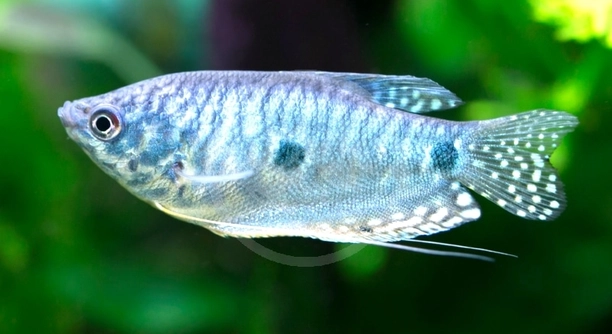
Gouramis are popular freshwater fish loved by many hobbyists for their peaceful nature and vibrant colors. Taking care of them properly can be rewarding, but some important tips often go unnoticed. Knowing these can improve your fish’s health and happiness.
Seven less-known gourami care tips focus on water quality, tank setup, diet variety, stress reduction, compatible tank mates, proper filtration, and monitoring behavior to ensure optimal well-being and longevity of these delicate freshwater species.
Understanding these care details will help you provide a better home for your gouramis and enjoy their unique charm for years to come.
Maintain Stable Water Parameters
Gouramis are sensitive to sudden changes in their environment. Keeping the water temperature steady between 75 and 82°F is essential for their well-being. Sudden drops or rises can stress the fish and lead to illness. It’s also important to maintain a pH level around 6.0 to 7.5. Regularly testing the water for ammonia, nitrites, and nitrates helps ensure the tank stays safe. Frequent partial water changes, about 20-30% weekly, keep harmful substances at bay. Using a reliable heater and a good filtration system will support stability. Avoid placing the tank near drafts, windows, or heating vents, where temperature swings often occur. Consistency is key for a peaceful and healthy gourami.
Stable water conditions prevent stress and illness, which are common causes of premature death in gouramis.
Water stability directly impacts gouramis’ immune response. Inconsistent conditions cause stress, weakening their ability to fight disease. Even small temperature or pH shifts can disturb their metabolism and behavior. To reduce these risks, keep equipment calibrated and water parameters consistent. Monitoring water quality with test kits should be routine. This care step reduces the chance of disease outbreaks, making it easier to spot early signs of health problems. Gouramis that live in stable water tend to be more active, display natural colors, and show normal feeding habits. Maintaining these conditions also helps beneficial bacteria thrive in the tank, which breaks down waste and keeps the ecosystem balanced. Taking time to ensure stability will pay off with happier, healthier fish.
Provide Plenty of Plants and Hiding Spots
Gouramis appreciate having plants and places to hide. A tank with live or artificial plants gives them shelter and reduces stress. Dense foliage mimics their natural habitat, offering a sense of security. Floating plants are especially good since gouramis often swim near the water’s surface. Besides plants, decorations like caves or driftwood create cozy hiding spots. These areas allow shy or stressed gouramis to retreat when needed. Avoid overcrowding the tank, as too many decorations can limit swimming space. Balancing open swimming areas with shaded hiding spots will keep gouramis comfortable and encourage natural behaviors.
Adding plants and hiding places supports gouramis’ mental well-being and prevents aggression by reducing territorial disputes.
Having an environment rich with plants and hiding spots closely resembles gouramis’ natural environment. It not only provides shelter but also helps control water quality by absorbing nitrates. Plants offer surfaces for beneficial bacteria to grow, which improves the overall tank health. Floating plants reduce light intensity, calming the fish and preventing stress. Hiding places reduce aggressive behavior by allowing fish to escape confrontations. This is especially important in community tanks where gouramis might feel threatened by more active or larger species. Plants also encourage breeding behaviors by providing spawning sites and protecting fry. Whether you choose live or high-quality artificial plants, aim for a natural layout that offers balance between cover and open space. This approach helps gouramis thrive both physically and mentally, making them more vibrant and active. Regular pruning of plants keeps the tank neat and prevents overcrowding, ensuring proper water circulation and oxygen levels.
Feed a Varied Diet
Gouramis need more than just flakes to stay healthy. A mix of protein and plant-based foods keeps them vibrant. Offering variety also prevents nutritional deficiencies and boredom.
Including live or frozen foods like bloodworms, brine shrimp, and daphnia adds essential nutrients and stimulates natural hunting behaviors. Supplementing with high-quality flakes or pellets ensures balanced vitamins and minerals. Vegetables like blanched spinach or peas provide fiber and help digestion. Feeding small amounts two to three times daily avoids overfeeding, which can pollute the tank. Removing uneaten food after a few minutes keeps water clean and prevents health issues. A varied diet supports gouramis’ immune systems, enhances coloration, and promotes growth.
Routine diet changes encourage gouramis to explore new tastes and textures. Over time, this can improve their appetite and reduce feeding stress, helping maintain overall well-being.
Monitor Behavior Regularly
Observing your gouramis daily helps catch health problems early. Changes in swimming patterns, appetite, or coloration can signal issues. Being attentive means quicker responses to illness or stress.
Behavioral changes often indicate water quality problems or disease. Gouramis might hide more or stop eating when unwell. Early detection through careful monitoring improves treatment success and reduces fatalities. Keep a journal or take notes on behavior patterns to spot gradual changes. Sharing observations with a vet or experienced hobbyist can also provide helpful insights. Monitoring extends beyond health—watching interactions with tank mates helps prevent bullying or aggression. Knowing your gouramis’ usual behavior allows you to create a more comfortable environment tailored to their needs. This attention shows care and helps maintain a healthy aquarium community.
Avoid Overcrowding the Tank
Too many fish in one tank cause stress and poor water quality. Gouramis need enough space to swim freely and establish territories.
A crowded tank increases waste buildup and raises ammonia levels. This environment can weaken gouramis’ immune systems, making them prone to disease.
Use Gentle Filtration
Strong currents upset gouramis, as they prefer calm waters. A gentle filter keeps water clean without stressing the fish.
Filters that create slow, steady water flow mimic their natural habitats. Sponge filters or adjustable filters are good options. This ensures proper oxygenation and waste removal while maintaining comfort.
Keep Tank Lid Closed
Gouramis are known jumpers and can easily escape open tanks. Keeping a secure lid prevents accidents and injury.
Lids also help maintain stable temperature and humidity, contributing to a safer environment for your fish.
What is the ideal tank size for gouramis?
The minimum tank size depends on the species, but generally, a 20-gallon tank is recommended for most gouramis. This size offers enough swimming space and room for plants and decorations. Larger tanks help maintain water quality and reduce stress. Smaller tanks can cause territorial aggression and quickly lead to poor water conditions, which harm your fish. If you plan to keep multiple gouramis or other fish, increase the tank size accordingly. Proper space ensures they behave naturally and stay healthy.
How often should I change the water?
Perform partial water changes of about 20-30% weekly to maintain clean water and stable conditions. Frequent water changes help remove toxins like ammonia and nitrates, which build up even with a good filter. Avoid changing too much water at once, as sudden shifts can stress gouramis. Use a water conditioner to remove chlorine or chloramine from tap water before adding it to the tank. Keeping a regular schedule protects your fish from illness caused by poor water quality.
Can gouramis live with other fish?
Yes, gouramis can live peacefully with many community fish. Choose tank mates that are calm, similar in size, and not overly aggressive. Good companions include tetras, rasboras, and Corydoras catfish. Avoid fin-nipping species or very aggressive fish, as gouramis have long, flowing fins that can be damaged. Also, be cautious with other gourami species in the same tank; some can become territorial. Always observe interactions closely and provide enough hiding spots to reduce stress and conflict.
What do I do if my gourami shows signs of illness?
If you notice changes in behavior, color fading, spots, or unusual swimming, act quickly. Test your water first to rule out poor conditions. Quarantine the sick fish in a separate tank if possible. Research the symptoms and use appropriate treatments, such as anti-parasitic or antibacterial medications, based on the diagnosis. Maintain clean water and avoid overfeeding during recovery. Early intervention increases the chances of healing and prevents the spread of disease to other fish.
Is it necessary to use live plants in a gourami tank?
Live plants are highly beneficial but not strictly necessary. They provide natural hiding places, improve water quality by absorbing nitrates, and add oxygen. Floating plants, like duckweed or water lettuce, are favorites of gouramis and help reduce light intensity. If live plants aren’t possible, high-quality artificial plants can still offer shelter and decoration. Just make sure they don’t have sharp edges that could harm your gouramis’ delicate fins.
How can I encourage breeding in gouramis?
To encourage breeding, provide a well-planted tank with floating plants and calm water conditions. Maintain a stable temperature around 78°F and feed the gouramis a high-protein diet, including live or frozen foods. Males build bubble nests on the water surface to attract females. Reduce tank disturbances and keep the environment stress-free during this period. Once eggs are laid and hatched, it’s best to separate the fry or the parents to protect the young fish. Patience and proper care increase breeding success.
Why do gouramis sometimes gasp at the water surface?
Gouramis have a labyrinth organ allowing them to breathe air, so they often gulp air from the surface. Occasional surface breathing is normal, especially in tanks with lower oxygen levels. However, if they gasp frequently or seem to struggle, it may indicate poor water quality or low oxygen. Improving aeration, performing water changes, and checking filtration can help. Proper water conditions reduce stress and keep gouramis comfortable without excessive surface breathing.
What should I do if my gourami is aggressive?
Aggression can happen due to overcrowding, lack of hiding spots, or incompatible tank mates. First, check tank size and reduce the number of fish if needed. Adding more plants and decorations can create territories and reduce conflict. Separating particularly aggressive individuals into another tank may be necessary. Avoid placing similar gourami species together unless the tank is large enough to support them. Feeding regularly and maintaining good water quality also helps minimize aggression.
Caring for gouramis takes attention to detail and consistency. These fish are beautiful and peaceful, but they need stable water conditions, proper diet, and a well-set tank to thrive. Paying attention to less obvious care tips can make a big difference in their health and happiness. It’s not just about feeding them or cleaning the tank; it’s about creating a balanced environment that matches their natural habitat. Keeping the water stable in temperature and quality, providing enough space, and adding plants or hiding spots all help gouramis feel secure. When they are comfortable, they show their best colors and behave naturally.
Understanding the needs of gouramis helps prevent common problems before they start. Regular monitoring of their behavior and water parameters can catch issues early. Stress and illness are often linked to sudden changes or poor tank conditions. Keeping the tank clean with gentle filtration and regular partial water changes reduces risks. Feeding a varied diet that includes protein and plant-based foods supports their nutrition and immune system. Gouramis also benefit from a calm environment without strong currents or aggressive tank mates. These small but important details add up to better care and a longer life for your fish.
Overall, gourami care is rewarding when you pay attention to their unique needs. They respond well to stable water, varied food, and thoughtful tank design. Avoid overcrowding, offer hiding places, and watch their behavior closely to catch early signs of trouble. Keeping a secure lid prevents accidents since gouramis can jump. With patience and regular care, these fish can become a lively and colorful part of your aquarium. Taking time to learn and apply these less-known tips will help your gouramis stay healthy and happy for years.

Hello,
If you enjoy the content that we create, please consider saying a "Thank You!" by leaving a tip.
Every little bit helps us continue crafting quality advice that supports the health, happiness, and well-being of pets around the world, for pets of all shapes, sizes, and species.
We really appreciate the kindness and support that you show us!