
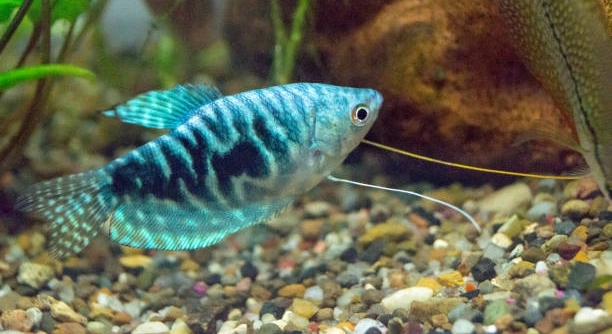
Have you ever noticed your gourami acting differently and felt unsure if something might be wrong with their behavior or health?
Gouramis often show stress through subtle changes like loss of color, erratic swimming, hiding, or reduced appetite. Recognizing these signals early is essential for maintaining a stable and healthy aquarium environment.
Learning to spot these behaviors can help prevent serious issues and improve your gourami’s overall well-being in the long run.
Loss of Color and Faded Appearance
When gouramis are stressed, one of the first signs you might notice is a change in their color. A healthy gourami typically displays bright and vibrant shades. However, under stress, their color may become dull or faded. This happens due to physiological responses to discomfort or fear. Changes in water temperature, sudden shifts in pH, overcrowding, or bullying from tank mates can all lead to this condition. It’s important to pay attention when your gourami no longer looks as bright as before. It could be a signal that something in the tank environment is no longer suiting them. A faded appearance is not just cosmetic; it reflects their inner stress. If you act early, adjusting the tank conditions or removing stress factors, you can often help them return to their original bright state. Regular checks of water quality and careful observation of behavior go a long way in prevention.
Color loss tends to happen slowly, so daily observation helps you catch it before it worsens.
Creating a balanced tank includes keeping water parameters steady, reducing loud noises, and providing hiding spaces. Avoid frequent changes in the tank layout. Let your gourami settle in one environment and minimize disruptions. This stability can help reduce stress and restore healthy coloration over time.
Hiding More Than Usual
Hiding all the time can be more than just a personality trait—it often points to discomfort or fear in gouramis.
In the wild, gouramis hide to protect themselves. In your home tank, constant hiding could mean they feel unsafe. This might be caused by aggressive tank mates, poor water quality, or too much activity around the tank. Stress from transportation or recent changes in tank setup may also lead them to retreat. If you find your gourami spending more time in plants, corners, or decorations and rarely coming out to eat or swim, it’s worth taking a closer look. Check ammonia and nitrite levels, observe other fish for signs of bullying, and ensure the lighting isn’t too intense. Even subtle changes like vibrations from nearby electronics or frequent tapping on the glass can stress them out. Offering dense plants and gentle flow helps them feel secure. But if hiding becomes constant, it’s time to adjust their environment for better comfort.
Erratic Swimming and Sudden Movements
Erratic swimming in gouramis often means they are overwhelmed or feeling unwell. Quick darts across the tank, bumping into objects, or swimming in circles can all signal stress from poor conditions or internal discomfort.
These movements usually happen when water parameters are off or if there’s a sudden environmental shift. Ammonia spikes, low oxygen, or temperature fluctuations are common reasons. Sometimes, loud noises or constant movement outside the tank can also trigger sudden bursts of motion. Gouramis are sensitive to their surroundings, and a noisy or unstable environment can make them feel constantly threatened. If your fish seems restless or panicked, test your water and check for any new stress sources. Small changes, like quieter surroundings or adjusted filtration, can often make a difference. You may also need to review the tank’s lighting. Too much brightness or constant light can heighten anxiety and lead to these erratic behaviors.
Adding more plants and shaded spots can help calm them down. These areas give them control over where to rest and observe, reducing that panicked energy. If the tank is shared, it’s worth watching for any aggressive behavior from other fish. Even small signs of dominance or chasing can lead to nonstop stress and jittery movement in gouramis.
Loss of Appetite or Refusing Food
When gouramis stop eating or eat much less than usual, it usually means they’re under stress or not feeling well. Skipping meals for a day isn’t rare, but ongoing refusal is a concern.
Stress can reduce appetite for many reasons. If your gourami feels threatened, it may stay hidden during feeding times. Water quality problems, like high nitrites or unbalanced pH, also affect digestion and appetite. Food left uneaten can make the issue worse by polluting the water further. Another reason could be illness. Parasites or infections often reduce interest in food. If your gourami refuses food for more than two days, observe for other changes—clamped fins, strange swimming, or gasping at the surface. Changing the type of food, like trying frozen or live options, might encourage eating, but it’s important to address the root issue causing the stress to fully resolve the problem.
Gasping at the Surface
Gouramis may go to the surface now and then, but constant gasping is not normal. This usually means they’re not getting enough oxygen in the water and are struggling to breathe comfortably.
Poor water circulation or high ammonia levels can lower oxygen. Warmer water also holds less oxygen, making it harder for fish to breathe. A lack of live plants or proper filtration adds to the issue. Checking your tank’s oxygen levels and adding gentle surface movement can help quickly.
Clamped Fins
Clamped fins look like the fish is keeping its fins tight against its body, rather than spread out. This is a strong sign of stress or sickness and often shows up alongside other symptoms like hiding or refusing food. Clamped fins can be caused by poor water quality, internal parasites, or sudden changes in temperature. Stress from bullying or loud noises near the tank can also lead to this reaction. It’s important to test the water, rule out disease, and keep the tank quiet and steady. If treated early, clamped fins can return to normal in a few days.
Lethargic Behavior
If your gourami spends a lot of time staying still or lying at the bottom, it’s likely stressed or unwell.
FAQ
How long does stress last in a gourami?
It depends on the cause and how quickly it’s fixed. If stress is caused by water quality or tank mates, it may last days or weeks. Once the environment improves, many gouramis bounce back in a few days. However, long-term exposure to poor conditions can lead to chronic stress, which takes much longer to reverse. The key is early observation. If you make fast adjustments, you’ll often see positive changes within a week. Always monitor behavior and appetite to track improvement.
Can a gourami die from stress?
Yes, stress can lead to death if not addressed. Long-term stress weakens the immune system, making gouramis more prone to disease, parasites, and infections. Even minor issues can become life-threatening when their bodies are worn down. Lack of appetite and oxygen can also create critical problems. If a fish is stressed for too long, it may stop eating entirely, leaving it too weak to recover. Quick action makes a big difference, and maintaining a calm, clean tank can prevent these risks.
What tank conditions help reduce stress in gouramis?
Stable conditions are essential. Keep the temperature between 74–80°F (23–27°C), and avoid sudden drops or spikes. Make sure ammonia and nitrites stay at zero, and keep nitrates low. Use a gentle filter to avoid strong water currents. Gouramis like calm water with soft flow. Add live plants and hiding spots using driftwood or decorations. Avoid overcrowding. One gourami needs space to move and feel safe. Stick to a regular feeding schedule, and avoid tapping on the glass or moving things around too often. Simple, steady conditions help them feel secure.
Can other fish cause stress in gouramis?
Absolutely. Aggressive or fast-moving tank mates can easily stress out a gourami. They prefer peaceful company and slow movement. If they’re chased, nipped, or crowded, they’ll hide, stop eating, or show clamped fins. Even just one bullying fish can affect their behavior. Always research compatibility before adding tank mates. Good choices are peaceful tetras, rasboras, corydoras, or snails. Avoid fish that nip fins or claim too much territory. If bullying happens, remove the aggressor or rearrange the tank to reset territorial behavior.
Why is my gourami only hiding and not swimming much?
This usually means something is off in the tank. Hiding constantly can be a stress response to poor water quality, bright lighting, or aggressive tank mates. It might also mean your gourami feels insecure due to lack of cover or places to rest. If it also refuses to eat or shows color loss, it’s a clear stress signal. Start by testing water quality, dimming lights, and offering more plants or hiding spots. Make sure no fish is chasing or bothering it. Small changes can often make a big difference.
What food helps gouramis recover from stress?
Offer a mix of high-quality flakes, pellets, and frozen or live food like bloodworms or brine shrimp. These are easy to digest and packed with nutrients. Feeding variety boosts energy and immunity. If they refuse food, try small portions of frozen options—they often trigger more interest. Avoid overfeeding, since leftover food harms water quality and adds to stress. Feed once or twice a day, in small amounts they can finish in a few minutes. When they regain appetite, it’s a good sign they’re starting to recover.
Do gouramis need a specific lighting setup?
Gouramis prefer soft, natural-looking light. Bright, intense lighting can overwhelm them and cause stress. If the tank is too bright, add floating plants to create shade and diffuse light. Keep lights on for 8–10 hours daily, and turn them off at night. A regular day-night cycle helps them stay calm and adjust their natural rhythms. Sudden changes in light can scare them, so always switch lights on and off gradually. Avoid direct sunlight near the tank—it causes algae growth and inconsistent temperatures.
Is it normal for gouramis to act shy when newly added to a tank?
Yes, new gouramis often act shy or hide during the first few days. The change in environment, water parameters, and surroundings can be overwhelming. Give them time to adjust. Keep the tank calm and quiet. Avoid making sudden changes or adding new tank mates right away. Feed lightly and observe from a distance. Within a week, they usually start exploring more. If they remain withdrawn longer than that, check water quality, temperature, and tank dynamics. Often, small environmental tweaks help them feel safe enough to become active.
Final Thoughts
Stress in gouramis is not always obvious at first, but it can affect their health in serious ways if left unnoticed. Watching your fish daily helps you pick up on small changes before they become bigger problems. Simple signs like color loss, hiding, or not eating may seem minor, but they usually mean something is wrong. These behaviors are how your gourami shows discomfort or fear. A healthy fish should swim calmly, eat regularly, and respond to its surroundings. When that changes, it’s worth taking the time to check everything in the tank. Even small improvements can make your gourami feel more at ease again.
Keeping your gourami’s environment steady and clean is one of the best ways to reduce stress. That means testing your water regularly, making sure the temperature stays in a safe range, and avoiding loud noises or sudden changes around the tank. It also helps to give them enough space and calm tank mates. Adding live plants, gentle water flow, and places to hide creates a peaceful setting they can feel safe in. Feeding them good-quality food and keeping a routine can also make them feel more secure. When your tank is stable, your gourami is more likely to stay healthy and active.
Learning these stress signals can make a real difference in your fish’s life. You don’t need to be an expert to spot when something feels off. Just paying attention and making small changes when needed is often enough. Stress doesn’t mean failure—it’s just a signal that something can be improved. By understanding what your gourami needs and responding with care, you give them the best chance to thrive. A calm, steady tank leads to calmer, happier fish. Over time, you’ll get better at spotting changes early and knowing what to do. It’s all part of building a safe space for your gourami to live well.

Hello,
If you enjoy the content that we create, please consider saying a "Thank You!" by leaving a tip.
Every little bit helps us continue crafting quality advice that supports the health, happiness, and well-being of pets around the world, for pets of all shapes, sizes, and species.
We really appreciate the kindness and support that you show us!