
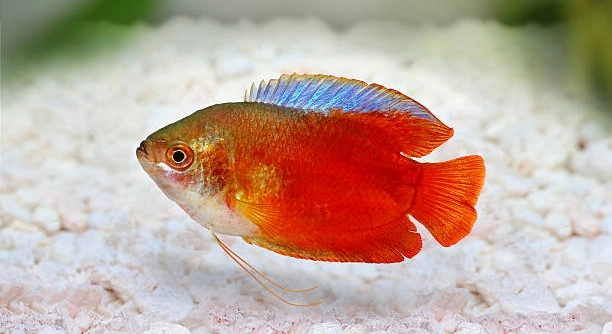
Gouramis are popular freshwater fish known for their vibrant colors and peaceful nature. However, some tankmates can display behaviors that cause stress or discomfort to gouramis. Identifying these behaviors is important for maintaining a harmonious aquarium environment.
Certain tankmate behaviors such as chasing, nipping, territorial aggression, excessive schooling, sudden rapid movements, dominance over feeding, and disrupting resting areas can upset gouramis. These actions create stress that negatively impacts their health and overall well-being.
Recognizing these behaviors early helps in creating a balanced tank where gouramis can thrive peacefully. This article outlines common disruptive actions to watch for in mixed-species aquariums.
Chasing and Nipping
Chasing and nipping are common behaviors in mixed tanks that can cause significant stress for gouramis. Some fish are naturally more aggressive or territorial, leading them to chase smaller or slower-moving tankmates like gouramis. This constant pursuit disrupts the gouramis’ normal swimming patterns and can cause physical harm through repeated nips. Over time, this stress weakens their immune system, making them more susceptible to illness. Gouramis prefer calm, stable environments, so frequent chasing can make them hide more and reduce their activity. This behavior is especially common in fast or boisterous species sharing the tank. If left unchecked, it can escalate and result in serious injuries. Managing tankmates to avoid these aggressive actions is essential for keeping gouramis healthy and comfortable.
Frequent chasing disturbs gouramis’ peace and can cause both physical and emotional stress, reducing their quality of life in the tank.
Careful observation is necessary to identify which tankmates exhibit chasing and nipping behavior. Adjusting the tank composition or providing more hiding places can reduce these interactions. Using slower or less aggressive fish as tankmates creates a calmer environment for gouramis. Enrichment like plants and decorations also offers refuge and lowers stress levels. Monitoring fish behavior regularly ensures that any issues are addressed quickly. The goal is to keep interactions peaceful, allowing gouramis to swim freely without fear or harassment. Preventing chasing and nipping ultimately supports gouramis’ long-term health and vitality.
Territorial Aggression
Territorial aggression arises when some fish defend specific areas in the tank, limiting space for gouramis. This behavior causes gouramis to feel threatened and stressed, impacting their ability to rest and feed properly. Gouramis may retreat frequently or become more withdrawn. Overcrowded tanks can worsen territorial disputes, increasing tension among fish. It is important to provide sufficient space and well-defined territories to minimize conflicts.
Territorial behavior can significantly reduce gouramis’ comfort and disrupt the balance of the aquarium community.
Managing territorial aggression requires adequate tank size and thoughtful arrangement of decor. Dividers or dense planting can help establish separate zones. Observing how fish interact over time helps identify problem areas. Avoiding aggressive species prone to dominating space benefits gouramis. When tankmates respect each other’s boundaries, stress decreases and all fish thrive. Addressing territorial issues promptly ensures a stable and peaceful environment for gouramis and their companions.
Excessive Schooling
Excessive schooling can overwhelm gouramis by creating constant movement and noise in the tank. This behavior distracts gouramis and increases their stress levels.
When too many schooling fish move rapidly around gouramis, it can cause unease. Gouramis prefer calmer, less chaotic environments. The constant swirling of a large group may block their access to food or resting spots. Over time, this stress can reduce their appetite and energy. A balanced mix of schooling and solitary fish helps maintain tranquility. Reducing the number of active schoolers or choosing less boisterous species creates a more peaceful setting. This adjustment improves gouramis’ comfort and health by minimizing disturbance in their environment.
Providing quiet zones or heavily planted areas can help gouramis escape the rush of schooling fish. This gives them necessary refuge to rest and feel secure, supporting their well-being.
Sudden Rapid Movements
Sudden rapid movements by tankmates startle gouramis, causing frequent stress reactions. These quick bursts disrupt their calm swimming patterns and make them nervous.
Fish that dart quickly or make abrupt changes in direction create an unpredictable environment for gouramis. This forces gouramis to be constantly alert, which is exhausting over time. Such disturbances reduce their ability to feed normally and interfere with resting periods. Stress from these movements may weaken their immune system and increase susceptibility to diseases. Selecting tankmates with gentler swimming styles helps avoid this issue. Ensuring adequate hiding spots allows gouramis to retreat when startled. Managing the behavior of tankmates through proper selection and environment setup is key to maintaining gouramis’ peaceful nature and health.
Dominance Over Feeding
Dominance over feeding causes gouramis to struggle for food. More aggressive tankmates often eat first, leaving less for gouramis.
This behavior stresses gouramis and can lead to poor nutrition. Ensuring multiple feeding spots and slower feeders helps gouramis get their share of food.
Disrupting Resting Areas
Some tankmates invade gouramis’ resting spots, causing them to feel unsafe. Gouramis need quiet, secure places to rest and recover.
When these areas are disturbed, gouramis become stressed and may hide more often, reducing their activity and overall well-being.
Importance of Tankmate Selection
Choosing the right tankmates is crucial for gouramis’ health and comfort. Aggressive or overly active fish can disrupt their peaceful nature. Careful selection based on temperament, size, and behavior reduces stress and fosters harmony. Providing hiding spots and ensuring balanced feeding also support their well-being.
FAQ
What tankmates are best for gouramis?
Peaceful, slow-moving fish that do not chase or nip are ideal. Species like small tetras, rasboras, or peaceful catfish often coexist well. Avoid aggressive or overly active fish that can stress gouramis. Matching size and temperament is important for harmony in the tank.
How can I reduce aggression from other fish?
Provide plenty of hiding spots and plants to create territories and reduce conflicts. Feeding fish multiple times and in different areas can help prevent competition. Ensuring the tank is large enough to accommodate all inhabitants also lowers stress and aggression.
Why do gouramis get stressed easily?
Gouramis are naturally peaceful and prefer calm environments. Sudden movements, loud disturbances, or aggressive tankmates cause stress. Stress can weaken their immune system and lead to illness, so keeping a stable and peaceful tank is essential.
How do I know if my gourami is stressed?
Signs include hiding frequently, loss of appetite, faded color, or erratic swimming. Stress may also cause rapid breathing or clamped fins. Observing behavior changes early helps address problems before they worsen.
Can tank size affect gourami behavior?
Yes. Small tanks increase territorial disputes and stress. Gouramis need space to swim and rest comfortably. A properly sized tank with enough room for all fish reduces tension and promotes natural behavior.
What should I do if my gourami is being chased?
Try rearranging the tank decor to break up sight lines. Add more hiding places like plants or caves. If chasing persists, consider rehoming aggressive fish or separating them. Keeping gouramis in peaceful company is key to their health.
Are gouramis compatible with schooling fish?
Yes, but the number and behavior of schooling fish matter. Too many fast-moving schoolers can overwhelm gouramis. Choosing smaller, less active schooling fish in moderate numbers helps maintain balance and reduces stress for gouramis.
How often should I observe my tank for problematic behavior?
Regular daily observation is best. This allows early detection of aggressive or stressful behavior. Addressing issues quickly prevents harm and keeps the tank environment stable for all fish.
What role does diet play in gourami stress?
Proper nutrition strengthens the immune system and helps gouramis cope with stress. Uneven feeding or competition at mealtimes can increase stress. Offering varied, high-quality food and feeding in multiple spots helps reduce competition.
Can environmental changes upset gouramis?
Yes, sudden changes in water temperature, pH, or lighting can stress gouramis. Maintaining stable water conditions and gradual adjustments are important. Gouramis thrive in consistent environments that mimic their natural habitat.
Is it necessary to quarantine new fish before adding them?
Quarantining prevents introducing diseases and allows observation of behavior. This helps avoid bringing aggressive or sick fish into the tank. A quarantine period of two weeks is generally recommended.
What are the best hiding spots for gouramis?
Dense plants, caves, or decorations provide safe resting places. Floating plants are also beneficial as gouramis often appreciate shaded areas near the surface. Hiding spots reduce stress by offering retreat options.
Can tankmates affect gourami breeding behavior?
Yes, aggressive or disruptive fish can prevent gouramis from breeding by causing stress or destroying nests. Providing a peaceful, well-planted environment with minimal disturbance supports breeding success.
How do I manage multiple gouramis in one tank?
Keep enough space to reduce territorial disputes. Avoid overcrowding and provide several hiding areas. Watch for signs of aggression and separate if necessary. Compatibility improves with careful planning.
What should I do if a tankmate injures my gourami?
Remove the injured fish to prevent further harm. Treat wounds promptly and monitor water quality to avoid infections. Review tankmate compatibility and consider changes if aggression is a recurring problem.
Final Thoughts
Gouramis are peaceful fish that need a calm and balanced environment to thrive. Their well-being can be easily affected by the behavior of their tankmates. Aggressive, fast-moving, or overly dominant fish can cause stress, which affects gouramis’ health and comfort. It is important to carefully choose compatible tankmates and manage their behavior to keep gouramis happy and healthy. Attention to details like tank size, hiding spots, and feeding routines also plays a significant role in creating a harmonious aquarium.
Maintaining a peaceful tank requires ongoing observation and adjustments. Not all fish get along well, and some behaviors might only appear after time. Watching how gouramis interact with other fish helps identify issues early. Taking action, such as rearranging decorations, adding plants, or separating problematic tankmates, can reduce stress for gouramis. A well-planned aquarium supports natural behaviors, allowing gouramis to rest, feed, and swim without disturbance. This leads to a more stable and enjoyable environment for both the fish and the keeper.
Ultimately, the goal is to provide a space where gouramis feel safe and secure. This involves creating conditions that respect their temperament and needs. By understanding common tankmate behaviors that upset gouramis, it is easier to prevent problems before they arise. Careful selection of companions, combined with proper tank management, ensures gouramis remain vibrant and healthy. Maintaining such an environment benefits all inhabitants and helps keep the aquarium a peaceful and balanced ecosystem.

Hello,
If you enjoy the content that we create, please consider saying a "Thank You!" by leaving a tip.
Every little bit helps us continue crafting quality advice that supports the health, happiness, and well-being of pets around the world, for pets of all shapes, sizes, and species.
We really appreciate the kindness and support that you show us!