
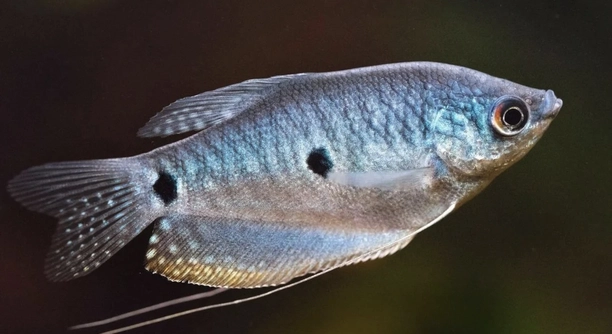
Are your gourami acting a little different lately, but you’re not sure if it’s something to worry about or not? Subtle changes in behavior can often be easy to miss if you aren’t paying close attention.
Gourami can show early signs of illness through decreased activity, fading color, loss of appetite, erratic swimming, clamped fins, isolation, and labored breathing. Recognizing these signs early can help prevent more serious health issues from developing.
Understanding these signals can help you react quickly and give your gourami the care they need before symptoms get worse.
Faded Color and Loss of Vibrancy
One of the earliest signs that something might be wrong with your gourami is a noticeable loss of color. Healthy gourami usually display bold and vibrant hues, especially when they’re comfortable in their environment. If your fish begins to look dull or washed out, this could indicate stress, illness, or poor water conditions. Changes in lighting or mood can sometimes explain slight color shifts, but if the dullness persists, it’s important to investigate further. In many cases, poor water quality, internal parasites, or infections can lead to a faded appearance. Keeping track of how your gourami usually looks can help you recognize these changes early. It’s not just about aesthetics—color can be a real sign of internal health. Be sure to check water parameters and consider any recent changes to their tank or diet. Early action can make a big difference in preventing serious health problems.
Color loss doesn’t always mean your gourami is sick, but it’s one of the easiest changes to notice. Don’t ignore it.
If your gourami shows dull coloration alongside other signs like lethargy or poor appetite, it’s likely a response to ongoing stress or illness. Check for ammonia spikes, temperature changes, or aggression from other fish, all of which can affect color and well-being.
Isolation and Hiding More Than Usual
When a gourami starts hiding constantly or separates itself from others, it’s usually a sign that something is wrong.
Gourami are naturally curious and social to some extent, so a sudden change in their activity is worth noticing. If you find your gourami spending more time behind decorations or in corners, it’s often due to illness or stress. This behavior might mean it’s feeling weak, uncomfortable, or threatened by other fish in the tank. Tank mates that nip or chase can make a fish retreat and isolate. Poor water quality and infection can also cause your fish to avoid interaction. Isolation can also be a defense mechanism, giving your gourami a way to conserve energy and stay safe. When this kind of behavior appears alongside other symptoms like clamped fins, labored breathing, or not eating, it becomes more serious. It’s best to observe quietly and test the water right away. Quick action can help identify what’s wrong and keep things from getting worse.
Unusual Swimming Behavior
If your gourami starts swimming in circles, floating sideways, or struggling to stay upright, it’s a sign something’s wrong. These changes are often linked to swim bladder issues, stress, or poor water conditions.
Erratic movement can happen when the swim bladder is affected by infection, constipation, or injury. Gourami with swim bladder problems may look like they’re struggling to maintain balance. If the fish swims frantically, bumps into decorations, or stays at the surface or bottom for long periods, it’s not normal. Sometimes, fast darting or crashing into the tank walls can also be a reaction to toxins like ammonia or nitrate buildup. It’s important to test water parameters and observe eating habits to figure out if this behavior is part of a bigger problem. Catching it early can prevent further complications.
Poor diet can also play a role in strange swimming. Overfeeding or low-quality food may cause bloating and constipation, which in turn affect the swim bladder. Feeding high-fiber options like daphnia or shelled peas can help improve digestion. If dietary changes don’t fix the issue, a bacterial infection might be the cause. Quarantining the fish and starting treatment may be necessary. Sudden temperature drops can also trigger stress-related swimming issues.
Clamped Fins and Low Energy
Clamped fins are when your gourami holds its fins close to its body instead of fanning them out. This can be an early sign of discomfort, stress, or disease. It often appears before other symptoms develop.
When a gourami’s fins stay tightly folded, it’s usually not feeling well. Clamped fins can be caused by water problems, internal parasites, or bacterial infections. In some cases, stress from tankmates or sudden environmental changes also leads to this reaction. The fish may seem less active, choosing to rest more often near the bottom or away from bright areas. Fins may also look dull or slightly torn. If you notice this along with a lack of appetite or labored breathing, it’s best to take action quickly. Monitor your tank’s temperature, pH, and ammonia levels and isolate the affected fish if needed.
Low energy often goes hand in hand with clamped fins. A normally curious gourami that becomes inactive could be dealing with a deeper issue. Lack of movement usually signals the fish is weak, tired, or trying to conserve energy while fighting off illness. Be cautious not to confuse this with nighttime rest or natural stillness. If your gourami ignores feeding times or stays in one spot for too long, there’s likely something wrong. Addressing the water quality first can sometimes bring improvement. If nothing changes, it’s time to consider infections, parasites, or internal injuries as possible causes.
Loss of Appetite
If your gourami starts ignoring food or eating less than usual, it’s often a sign of stress or illness. Watch for changes in how quickly it responds during feeding and whether leftover food is becoming more common.
Loss of appetite can be caused by poor water conditions, parasites, or internal infections. Make sure food isn’t spoiled.
Labored Breathing or Gasping at the Surface
Gourami breathing heavily or gasping near the surface may be struggling with oxygen levels in the tank. Although gourami have a labyrinth organ that allows surface breathing, this behavior becomes concerning if it happens too often. Poor water quality, high ammonia, or low oxygen can all contribute. A sudden increase in temperature also reduces available oxygen, making breathing more difficult. If the tank is overcrowded or lacks surface movement, oxygen exchange can drop. Checking the filter, performing a water change, and adding an air stone can help. Persistent labored breathing could also mean gill damage or infection, so observe other symptoms closely.
Staying Near the Bottom
Gourami staying near the bottom for long periods often signals discomfort or low energy. It may also be trying to avoid aggressive tank mates or bright lighting. If this becomes routine, something in the tank needs to be checked.
FAQ
How can I tell if my gourami is really sick or just stressed?
Stress and sickness can look similar in gourami, but stress often comes from changes in the environment, like new tankmates or water quality issues. If your gourami shows symptoms like clamped fins, loss of appetite, or hiding, it could be stress. However, if these signs persist or worsen, illness is more likely. Sick gourami may also show faded color, labored breathing, or unusual swimming behavior. Testing water parameters and observing for other symptoms can help determine the cause.
What water conditions are best for keeping gourami healthy?
Gourami prefer clean, stable water with temperatures between 75°F and 82°F (24°C to 28°C). The pH should be slightly acidic to neutral, around 6.0 to 7.5. Regular water changes and maintaining low ammonia, nitrite, and nitrate levels are important. A good filtration system and gentle water flow also help keep them comfortable and reduce stress.
Can poor diet cause health problems in gourami?
Yes, diet plays a big role in their health. Feeding low-quality or inappropriate food can lead to nutritional deficiencies, constipation, and swim bladder issues. Gourami benefit from a varied diet including flakes, pellets, and occasional live or frozen foods like brine shrimp or bloodworms. Avoid overfeeding, which can pollute the water and harm fish health.
How often should I test my aquarium water?
Testing water once a week is ideal, especially for ammonia, nitrite, nitrate, and pH. More frequent testing may be needed if fish show signs of stress or illness. Consistent testing helps catch water quality problems early before they affect your gourami’s health.
What should I do if I notice my gourami is hiding more than usual?
Hiding is a common response to stress or illness. First, check water conditions and tank mates for signs of aggression. Remove any bullying fish if needed. Make sure the tank has enough hiding spots but observe if the gourami’s hiding increases suddenly. If it coincides with other symptoms like clamped fins or loss of appetite, consider quarantining the fish and consulting treatment options.
Can temperature changes cause gourami to get sick?
Yes, sudden temperature fluctuations stress gourami and lower their immune response, making them vulnerable to infections. Keep the tank heater steady and avoid placing the aquarium near drafts or heat sources that cause temperature swings.
How do I treat swim bladder issues in gourami?
Swim bladder problems often come from constipation or infection. Try fasting your gourami for 24-48 hours, then feed a small amount of shelled peas to help digestion. If symptoms persist, antibiotics or antiparasitic treatments may be necessary. Improving water quality also supports recovery.
Is it normal for gourami to gasp at the surface sometimes?
Gourami have a labyrinth organ allowing them to breathe air at the surface, so occasional gasping is normal. However, constant gasping or labored breathing indicates poor water oxygen levels or illness. Improve aeration and check water parameters if you see this behavior frequently.
Should I isolate a sick gourami?
Isolating a sick gourami can prevent disease spread and reduce stress. Use a quarantine tank with clean water and similar conditions. This also allows for easier monitoring and targeted treatment.
How long does it take for a sick gourami to recover?
Recovery time depends on the illness and treatment. Minor issues like mild stress or constipation may improve within days. More serious infections might take weeks and require medication. Consistent care and good water quality are crucial for healing.
Can tankmates cause gourami to become sick?
Aggressive or fin-nipping tankmates stress gourami, weakening their immune system. This makes them more prone to illness. Choose peaceful, compatible fish and watch for bullying behaviors.
What signs mean it’s time to seek professional help or consider euthanasia?
If your gourami shows severe symptoms like constant struggling to breathe, severe injuries, or prolonged loss of appetite and mobility despite treatment, professional advice is recommended. When suffering is prolonged and recovery seems unlikely, humane euthanasia might be the kindest option.
Final Thoughts
Monitoring your gourami closely for subtle signs of illness is essential to maintaining its health. Quiet changes such as loss of appetite, unusual swimming behavior, or labored breathing often come before more obvious symptoms appear. Early detection allows for quicker intervention, which can prevent serious complications. Regularly checking water quality and maintaining a clean environment reduces stress and supports your fish’s immune system, making it less likely for illness to develop. Being attentive to these small signals helps create a healthier home for your gourami.
Taking steps to provide proper care will improve your gourami’s chances of staying well. A balanced diet that includes a variety of food types supports overall health. Avoiding sudden changes in water temperature and ensuring the tank is not overcrowded can also prevent stress-related illness. If you notice signs of sickness, acting promptly by improving water conditions or seeking treatment can make a significant difference. Knowing how to recognize early symptoms and respond effectively will help maintain your gourami’s vitality and well-being.
Caring for gourami requires patience and observation. Not every sign means something serious, but consistent patterns of change should never be ignored. Keeping an eye on your fish’s behavior and environment allows you to detect problems before they worsen. With the right care and attention, many common health issues can be avoided or treated successfully. Prioritizing your gourami’s comfort and health will lead to a more enjoyable and rewarding fishkeeping experience.

Hello,
If you enjoy the content that we create, please consider saying a "Thank You!" by leaving a tip.
Every little bit helps us continue crafting quality advice that supports the health, happiness, and well-being of pets around the world, for pets of all shapes, sizes, and species.
We really appreciate the kindness and support that you show us!