
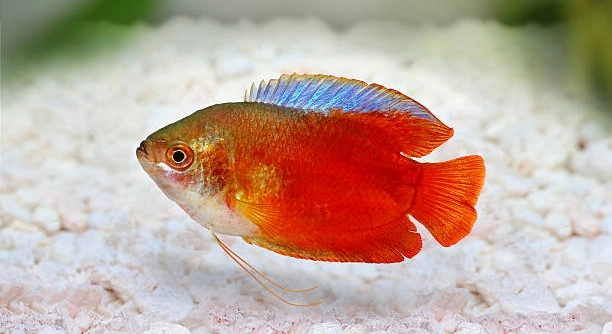
Gouramis are popular freshwater fish known for their bright colors and interesting behaviors. They live in many home aquariums and often show different personality traits. Understanding these traits helps in caring for them better.
Gouramis exhibit a variety of personality types, each with unique behaviors ranging from shy and peaceful to bold and territorial. Recognizing these common types can improve interaction and ensure a healthy environment for the fish.
Learning about these personality types can make keeping gouramis more enjoyable and rewarding for any fish enthusiast.
Shy Gouramis
Shy gouramis tend to stay hidden most of the time. They prefer quiet spots with plenty of plants or decorations where they can feel safe. These fish may only come out when the tank is calm and there is little movement around them. They usually don’t compete for food and avoid conflicts with other fish. If the tank is too crowded or noisy, shy gouramis may become stressed or hide for long periods. It’s important to give them enough space and a peaceful environment. Adding hiding places helps them feel more secure and reduces stress. Over time, shy gouramis may grow more comfortable and show their colors when they trust their surroundings.
Shy gouramis thrive best in calm tanks with gentle tankmates and plenty of plants for cover.
When caring for shy gouramis, patience is key. These fish may not be very active at first, but they are peaceful and gentle. They do well with other non-aggressive fish and need hiding spots like caves or dense plants. Avoid sudden movements or loud noises near the tank to keep them calm. Feeding them in quiet moments encourages them to come out more often. A calm environment makes shy gouramis more likely to explore and interact gently with others in the tank.
Aggressive Gouramis
Aggressive gouramis are more dominant and assertive in their behavior. They tend to claim territory and may chase other fish away. This behavior is most common during breeding seasons or when the tank is crowded. Aggressive gouramis often flare their fins and show bright colors to intimidate others. They can become stressful tankmates for more peaceful species if space is limited. Providing enough room and hiding spots is necessary to reduce conflicts. It’s also important to avoid keeping multiple aggressive gouramis in the same tank unless it is very large. Watching their behavior closely helps prevent injuries and stress in the aquarium.
Aggressive gouramis need space and careful tank planning to avoid problems with other fish.
Managing aggressive gouramis requires a tank setup that respects their need for territory. Larger tanks with plenty of plants, rocks, and caves help break up sight lines so they don’t feel the need to defend one large area. Grouping them with other fish that can handle their temperament or choosing less aggressive gourami species can also reduce conflicts. Regular monitoring and separating fish if fights occur ensures all tank residents stay healthy. Understanding their behavior helps maintain balance and harmony in the aquarium.
Curious Gouramis
Curious gouramis often explore their tanks actively. They swim around, checking decorations and other fish. Their interest in the environment makes them lively and engaging to watch.
Curious gouramis are always on the move, investigating new objects and changes in their tank. This behavior shows their intelligence and awareness of their surroundings. They may approach the glass when someone is nearby or follow movements outside the tank. Because of this, they benefit from tanks that have a variety of plants and objects to explore. Changing the layout occasionally can keep their interest alive and prevent boredom.
Their curiosity sometimes leads to playful interactions with other fish, but it’s important to monitor to avoid stress. They usually adapt well to new environments and thrive in tanks that offer stimulation. These gouramis enjoy challenges and are often the first to discover new food or hiding spots.
Territorial Gouramis
Territorial gouramis defend specific areas within the tank. They mark these spaces and react strongly if others come close. This can lead to chasing or aggressive displays to keep their zone safe.
Managing territorial gouramis means providing clear boundaries and plenty of space. Dividing the tank with plants or decorations helps reduce confrontations by giving each fish a personal area. These gouramis need stable conditions where they can claim a spot without constant threat. Avoid overcrowding to minimize territorial disputes. Watching their behavior helps spot early signs of stress or aggression, allowing timely intervention. With the right setup, territorial gouramis can coexist peacefully while showing natural instincts. This careful balance creates a healthier environment for all fish in the aquarium.
Social Gouramis
Social gouramis enjoy being around other fish and rarely act alone. They often swim in groups and interact peacefully.
These gouramis benefit from tankmates who are calm and friendly. They feel more secure when part of a community and often display more color when comfortable.
Bold Gouramis
Bold gouramis take charge in their tanks, often leading others and exploring fearlessly. Their confidence can sometimes be mistaken for aggression, but they mostly seek attention and control. They enjoy open spaces to swim freely and show off their vibrant colors. Bold gouramis usually adapt quickly to new environments and tankmates. However, their assertiveness means they need companions who won’t easily be intimidated. Providing a balanced tank with enough room and hiding spots helps maintain peace. Their lively nature makes them fascinating to watch as they confidently move through the aquarium.
Timid Gouramis
Timid gouramis tend to avoid attention and stay quiet in the tank.
What are the signs of a happy gourami?
A happy gourami is active and swims around confidently. It shows bright, vibrant colors and interacts with its environment. You might see it exploring plants, inspecting tank decorations, or gently swimming near the surface. Happy gouramis eat well and respond calmly to their tankmates without hiding too much. Their fins stay intact and smooth, which also shows good health. When gouramis are relaxed, they sometimes glide slowly or hover near the plants. Watching these behaviors helps you know your gourami feels safe and comfortable.
How can I tell if my gourami is stressed?
Stressed gouramis often hide for long periods and lose their usual activity. Their colors may become dull or faded, and they might stay close to the bottom or corners of the tank. Other signs include rapid gill movement, loss of appetite, or scratching against objects. Stress can come from overcrowding, poor water quality, aggressive tankmates, or sudden changes in environment. If you notice these signs, check the tank conditions immediately and try to reduce stress factors like noise or tank traffic.
Do gouramis get along with other fish?
Gouramis generally get along with peaceful fish but can show aggression toward smaller or more timid species. Some gouramis are territorial and may chase others, especially during breeding or in tight spaces. It’s best to keep gouramis with fish that have similar temperaments and avoid overcrowding. Choosing tankmates that won’t compete aggressively for food or territory helps keep the peace. Providing hiding spots and enough space reduces conflicts. Watching their behavior regularly ensures harmony in the aquarium.
How often should I feed my gourami?
Feeding gouramis once or twice a day is enough. They eat small amounts at a time, so avoid overfeeding, which can pollute the water. Offer a varied diet including flakes, pellets, and occasional live or frozen foods like brine shrimp or bloodworms. This variety helps maintain their health and bright colors. Feed only what they can consume in a few minutes to prevent leftovers. Consistent feeding routines keep gouramis healthy and active without causing water problems.
What is the best tank setup for gouramis?
A good tank setup for gouramis includes plenty of plants, hiding spots, and open swimming areas. Plants like java fern or floating species provide shelter and reduce stress. The tank should have a gentle filter to avoid strong currents since gouramis prefer calm water. Water temperature between 75-82°F (24-28°C) is ideal, along with a pH level around 6.0 to 7.5. Regular water changes and testing keep the environment healthy. A well-planted and balanced tank helps gouramis feel secure and display natural behaviors.
Can gouramis live alone?
Gouramis can live alone, but many enjoy the company of other fish or their own kind. Some gouramis, especially the more social types, feel stressed or lonely without companions. However, aggressive gouramis might do better alone or with very calm tankmates to avoid fights. When keeping a single gourami, make sure the tank is stimulating with plants and decorations. Watching how your fish behaves can guide you on whether it needs company or prefers solitude.
How do I reduce aggression among gouramis?
Reducing aggression starts with providing enough space and hiding places. Plants, caves, and decorations break up sightlines and give fish personal areas. Avoid keeping too many gouramis in a small tank, as crowding increases territorial disputes. Choose species or individuals known for peaceful behavior and avoid mixing very aggressive gouramis together. Feeding on time and in small amounts reduces competition for food. Monitoring behavior helps catch early signs of bullying, so you can separate fish if needed. A calm, spacious tank keeps gouramis relaxed.
What should I do if my gourami is sick?
If your gourami shows signs of illness such as lethargy, loss of appetite, white spots, or damaged fins, act quickly. Test the water for quality issues like ammonia or nitrite spikes, as poor water causes many problems. Perform partial water changes and improve filtration if needed. Isolate the sick fish in a quarantine tank if possible to prevent spreading disease. Consult fish health guides or a vet for treatment options like medications. Early care and clean water increase chances of recovery. Keep observing your gourami’s condition closely during treatment.
How long do gouramis live?
Gouramis typically live between 4 to 6 years, but some can reach up to 8 years with excellent care. Their lifespan depends on species, tank conditions, diet, and stress levels. Keeping the tank clean, providing a balanced diet, and avoiding aggressive tankmates contribute to a longer life. Regular maintenance and monitoring health help gouramis stay healthy and active for many years.
Are gouramis easy to care for?
Gouramis are generally easy to care for if their basic needs are met. They require stable water conditions, proper feeding, and a calm environment. They adapt well to a range of tank setups as long as there is space and hiding spots. Regular tank maintenance and monitoring health prevent common problems. Some gouramis need more attention due to their temperament, but most are suitable for beginners willing to keep a routine. Their unique personalities make caring for them enjoyable and rewarding.
Gouramis are fascinating fish with a variety of personality types that make each one unique. Understanding their behaviors can help you provide better care and create a more peaceful tank environment. Whether your gourami is shy, curious, bold, or territorial, recognizing these traits allows you to meet their specific needs. This knowledge helps reduce stress for your fish and improves their overall well-being. Knowing how to support their natural behaviors makes keeping gouramis more enjoyable and successful.
Each gourami personality requires a slightly different approach in terms of tank setup, tankmates, and feeding. Shy gouramis need plenty of hiding spots and a calm environment to feel safe. Curious gouramis thrive with interesting decorations and plants to explore. Aggressive and territorial gouramis need more space and clear boundaries to avoid conflicts. Bold gouramis do well in open tanks where they can swim freely and show their confidence. By adjusting care to fit these personality types, you create a balanced community that benefits all the fish in the aquarium.
Keeping gouramis is rewarding when you pay attention to their behaviors and needs. Observing how they act daily helps you catch early signs of stress or illness. Regular tank maintenance, proper feeding, and peaceful tankmates contribute to their health and happiness. Remember, each gourami is different, and learning about their personalities makes it easier to provide a supportive environment. Taking the time to understand your gouramis results in a more vibrant and lively aquarium that is a pleasure to watch.

Hello,
If you enjoy the content that we create, please consider saying a "Thank You!" by leaving a tip.
Every little bit helps us continue crafting quality advice that supports the health, happiness, and well-being of pets around the world, for pets of all shapes, sizes, and species.
We really appreciate the kindness and support that you show us!