
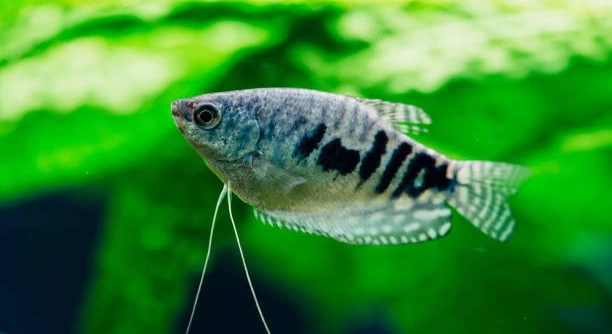
Gouramis are popular freshwater fish often kept in home aquariums. They come in various species that can look quite similar, making it hard to tell them apart. Observing their behavior offers useful clues to identify each type.
Behavioral differences provide the clearest way to distinguish gourami species. Variations in swimming patterns, aggression levels, bubble nest building, and social interactions reveal unique traits specific to each gourami, enabling accurate identification beyond physical appearance alone.
Recognizing these behavior traits helps aquarists properly care for their fish and enjoy the diversity gouramis bring to the aquarium environment.
Recognizing Gourami Swimming Patterns
Different gourami species often display distinct swimming behaviors that help identify them. For example, the dwarf gourami tends to swim calmly and prefers to stay near plants, moving slowly and exploring its environment without much sudden movement. In contrast, the pearl gourami is more active, often gliding smoothly through the water with graceful, deliberate movements. Some gouramis, like the kissing gourami, show unique behaviors such as rubbing their mouths together, which can be mistaken for aggression but is actually a form of social interaction. Watching how these fish move in the tank over time provides clues to their identity. This observation is especially helpful in mixed-species tanks where physical differences are subtle. Noting their preferred swimming level, speed, and interaction with the environment can distinguish one species from another more clearly than appearance alone.
Swimming behavior also reflects how comfortable gouramis are in their environment, which can signal their general well-being.
Observing these swimming traits gives aquarists a practical method to understand and differentiate gourami species, improving care and tank harmony.
Understanding Aggression and Social Behavior
Aggression levels vary significantly among gouramis.
Some species, like the three-spot gourami, tend to be more territorial and may show signs of dominance by chasing or displaying to other fish. This behavior helps establish their place within the tank’s social hierarchy. Others, such as the honey gourami, are more peaceful and tend to avoid confrontations. Understanding these tendencies is key to preventing stress and injury among tank mates. Aggression may increase during breeding seasons, so aquarists should be prepared to separate individuals if necessary. Watching how gouramis interact with each other daily reveals important information about their species and temperament, aiding in proper tank management.
Aggression impacts tank dynamics and is an important factor in species identification.
Knowing each species’ social behavior helps create a balanced aquarium environment where gouramis thrive.
Bubble Nest Building Behavior
Bubble nest building is a key behavior among many gourami species. Males create these nests at the water surface by blowing bubbles coated in saliva, which helps protect eggs during breeding. The size and complexity of these nests vary by species and can help identify them.
The dwarf gourami, for example, builds small but dense bubble nests near floating plants or tank edges. These nests are usually compact and closely clustered. The male carefully tends to the nest, repairing it as needed and guarding the area. In contrast, the pearl gourami constructs larger, looser nests, often spread over a wider surface area. This difference in nest structure is useful for distinguishing between these species in breeding tanks.
Not all gouramis build bubble nests. Some species rely on different breeding behaviors, so absence of bubble nests can also provide identification clues.
Social Interaction and Territoriality
Gouramis vary widely in how they interact socially and defend territory. Some species show strong territorial behavior, aggressively guarding a section of the tank, while others are more tolerant and social with their tank mates.
The three-spot gourami exhibits clear territoriality, often chasing away intruders to protect its space. It may flare fins and use body language to establish dominance. On the other hand, the honey gourami is much more peaceful and prefers to coexist without confrontation. These social differences influence tank setups, as aggressive species need more hiding spots and space. Recognizing these behaviors can prevent conflicts and help maintain a peaceful aquarium. Social interactions also provide insight into species identification when visual features overlap.
Feeding Behavior Differences
Gouramis show varying feeding habits depending on the species. Some are surface feeders, while others prefer mid-water or bottom feeding. These preferences can help identify different gouramis in a community tank.
The kissing gourami often feeds at the surface, using its unique mouth shape to graze on algae and biofilm. Other species may dart quickly to catch floating food or pick at plants.
Breeding and Parental Care
Male gouramis typically take responsibility for guarding eggs and fry. Their level of care and guarding style differ among species. Some stay close to the nest, while others patrol larger areas to fend off threats.
Activity Levels
Some gouramis are more active swimmers, constantly exploring their environment, while others stay calm and prefer resting among plants or decorations. This behavior can be a helpful identification clue.
FAQ
How can I tell male and female gouramis apart by behavior?
Males usually build and guard bubble nests, especially during breeding. They tend to be more territorial and display brighter colors. Females are less aggressive and do not build nests. Observing these behaviors during breeding season is the most reliable way to differentiate sexes.
Why does my gourami sometimes chase others in the tank?
Chasing is often a sign of territorial behavior. Some gourami species, like the three-spot gourami, defend their space, especially males during breeding. This behavior helps establish dominance and protect resources such as food and shelter. Ensuring enough space and hiding spots can reduce chasing.
What does it mean when a gourami flares its fins?
Fin flaring is a display of dominance or territoriality. It can also be a warning to other fish to keep distance. During mating, males flare fins to attract females or intimidate rivals. Watching these displays helps understand social structure within the tank.
Are gouramis aggressive toward each other?
Aggression levels vary by species. Some gouramis, like the honey gourami, are peaceful, while others, such as the kissing gourami, may show mild aggression. Aggression usually increases during breeding or when space is limited. Monitoring tank conditions can help manage behavior.
How do gouramis use bubble nests for breeding?
Males create bubble nests at the water surface by blowing bubbles coated in saliva. Eggs are deposited inside these nests, which protect them from predators and debris. The male guards and repairs the nest until fry hatch and become free-swimming. This behavior is common in many gourami species.
What behaviors indicate stress in gouramis?
Signs of stress include hiding excessively, rapid breathing, loss of appetite, or erratic swimming. Stress can result from poor water quality, overcrowding, or aggressive tank mates. Observing changes in behavior early helps prevent illness and ensures better fish health.
Can gouramis recognize their owners?
Gouramis are curious and may learn to recognize the person who feeds them. They sometimes swim to the front of the tank when approached. While not as interactive as some other fish, this behavior shows their ability to respond to familiar stimuli.
Why do some gouramis stay near plants or decorations?
Hiding near plants or decorations provides safety and comfort. Gouramis often use these areas to feel secure or rest. Some species prefer densely planted tanks, which mimic their natural habitat. This behavior also helps reduce stress and aggression.
Do gouramis interact well with other fish species?
Most gouramis are compatible with peaceful community fish, but their social behavior varies. Aggressive species may not do well with timid fish. Matching temperament and tank size is essential for a harmonious aquarium. Observing interactions helps adjust tankmates if conflicts arise.
How often do gouramis build bubble nests?
Bubble nest building occurs mainly during breeding conditions, when males are ready to attract females. Environmental factors like water temperature and quality influence this behavior. Not all gouramis build nests regularly, so absence of bubble nests does not always indicate health issues.
What should I do if my gouramis fight frequently?
Frequent fighting can be reduced by increasing tank size, providing more hiding spots, or separating aggressive individuals. Sometimes, reducing the number of males in the tank helps. Regular observation and adjustments prevent injuries and stress among gouramis.
How does tank setup influence gourami behavior?
Tank size, decoration, and plant coverage affect gouramis’ comfort and activity levels. A well-planted tank with hiding spaces encourages natural behaviors and reduces aggression. Poor setups can cause stress, which changes behavior and weakens fish health.
Can behavior differences affect feeding habits?
Yes. Some gouramis prefer feeding at the surface, while others eat mid-water or near the bottom. Recognizing these habits helps provide food in the right place, reducing competition and ensuring all fish get proper nutrition.
Why do some gouramis seem more active during certain times?
Activity levels can change due to feeding schedules, lighting, and tank environment. Gouramis may be more active at dawn and dusk, mimicking natural behavior. Understanding these patterns improves tank management and fish well-being.
Is it normal for gouramis to rest motionless?
Resting without moving is common and healthy. Gouramis often stay still among plants or decorations to conserve energy. However, if this behavior is prolonged or combined with other signs of distress, it may indicate illness or poor conditions.
How can I encourage natural behavior in my gouramis?
Providing an environment that mimics their natural habitat—adequate space, plants, and water quality—promotes natural behaviors like swimming, nesting, and social interaction. Avoid overcrowding and maintain stable tank conditions for the best results.
Final Thoughts
Understanding how to tell gouramis apart by their behavior can improve both the care and enjoyment of keeping these fish. Behavior offers important clues that visuals alone may not reveal. Paying attention to activities like bubble nest building, feeding habits, and social interactions helps identify species and better meet their needs. Observing these natural actions makes it easier to create a suitable environment for each type of gourami.
Behavioral differences also influence how gouramis interact with each other and with other fish in the tank. Some species are peaceful and social, while others show territorial or aggressive tendencies. Recognizing these traits allows for better tank management and can prevent conflicts. Providing enough space, hiding places, and proper companions supports healthier fish and reduces stress. Behavior-based identification is practical for both new and experienced hobbyists aiming to maintain harmony in a community tank.
In summary, careful observation of gourami behavior reveals valuable information beyond physical appearance. It supports better care, breeding success, and overall fish welfare. Paying close attention to how each gourami acts in its environment improves the ability to identify species and respond to their needs effectively. Behavior is a useful tool that enhances the aquarium experience and promotes long-term health for these popular fish.

Hello,
If you enjoy the content that we create, please consider saying a "Thank You!" by leaving a tip.
Every little bit helps us continue crafting quality advice that supports the health, happiness, and well-being of pets around the world, for pets of all shapes, sizes, and species.
We really appreciate the kindness and support that you show us!