
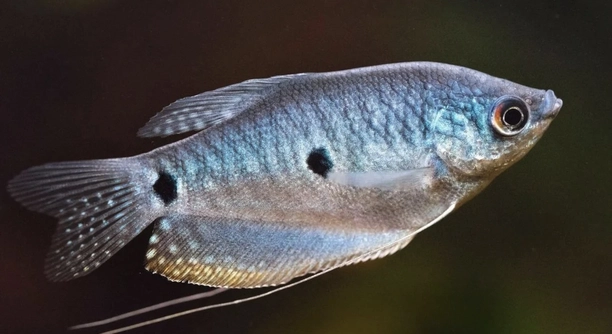
Gouramis are known for their unique and fascinating breeding behaviors that set them apart from other fish species. These behaviors include specialized nest building and parental care techniques. Observing these traits helps understand their natural reproductive strategies better.
Seven breeding behaviors distinguish gouramis from other fish, including bubble nest building, male parental care, elaborate courtship displays, territoriality, mouthbrooding in some species, vocal communication, and the use of labyrinth organs for oxygen during breeding.
These behaviors reveal important aspects of gourami biology and contribute to successful breeding in captivity and the wild. Understanding them aids in providing appropriate care for these distinctive fish.
Bubble Nest Building
Gouramis are well known for their bubble nest building, a distinctive breeding behavior. The male gourami blows bubbles coated with saliva to create a floating nest on the water’s surface. This nest serves as a safe place for eggs and fry. The size and shape of the nest can vary depending on the species. Once the female lays eggs, the male carefully places them in the nest. He guards the nest, maintaining its structure and ensuring that the eggs remain oxygenated. The male’s dedication to nest maintenance often lasts until the fry become free-swimming, which can take several days. This behavior shows how gouramis invest energy in protecting their offspring, increasing survival chances in natural conditions.
The bubble nest not only protects the eggs but also provides oxygen through the bubbles. This is crucial in low-oxygen environments.
This method allows gouramis to reproduce successfully in various habitats. The bubble nest also supports the young during their early development by providing a secure environment away from predators. Understanding this behavior helps hobbyists provide proper breeding conditions. A shallow tank with calm water and floating plants encourages nest building. Monitoring the male’s activity can indicate successful spawning. Providing appropriate water temperature and quality enhances breeding outcomes.
Male Parental Care
Male gouramis take on the primary parental role during breeding.
The males exhibit intense care by guarding the nest and the eggs until the fry hatch and swim away. This parental investment includes removing debris and chasing away intruders. The male’s protective behavior ensures better survival rates for the offspring. In some species, males continue to watch over the fry for a short period after hatching. This care reduces the risk of predation and increases the young’s chances to develop fully. The male’s role is critical for species that breed in challenging environments where protection is essential. Observing this behavior helps in understanding the complexity of gourami reproductive strategies.
Courtship Displays and Territoriality
Courtship in gouramis involves elaborate behaviors to attract mates. Males perform vibrant color changes, fin displays, and specific swimming patterns to signal readiness. These displays demonstrate the male’s fitness and help females select a suitable partner. Territoriality is closely linked with courtship. Males often defend a territory that includes the bubble nest or a preferred spawning site. This territory defense prevents rivals from interfering with mating or harming eggs. The aggressive stance involves chasing other males or displaying threatening postures to maintain control. This ensures that only the strongest males breed, promoting healthy offspring. Understanding these behaviors highlights the importance of space and environment in gourami breeding. Providing ample space and hiding spots reduces stress and supports natural courtship. This behavior also shows how social dynamics influence breeding success, emphasizing the need for careful tank management during spawning.
Mouthbrooding Behavior
Some gourami species practice mouthbrooding, where the male carries eggs and fry in his mouth for protection. This behavior keeps the offspring safe from predators and environmental threats until they are ready to swim independently. Mouthbrooding requires the male to refrain from eating during this period.
Mouthbrooding gouramis show remarkable dedication by holding their young in their mouths for several days or weeks. This limits the male’s ability to feed, as swallowing could harm the fry. The behavior ensures higher survival rates by providing constant protection and oxygen supply. It also allows breeding in habitats where bubble nests are not practical, such as fast-moving waters or areas with strong currents.
Mouthbrooding is less common among gouramis but demonstrates an alternative reproductive strategy within the group. It reflects the species’ adaptability to different environments. Breeders who want to support mouthbrooding species should ensure a stress-free environment and monitor feeding closely after the brood is released.
Vocal Communication
Gouramis use sound signals during breeding to communicate. These vocalizations help coordinate mating and territorial defense. Sounds can include grunts, croaks, or hums made by vibrating muscles near the swim bladder.
The vocal signals serve as warnings to rivals or as attraction cues to females. Males produce these sounds when establishing territory or during courtship displays. This communication method reduces physical confrontations by signaling intentions and status clearly. It also helps synchronize spawning activities between mates. The use of sound is an important aspect of gourami breeding behavior that remains subtle but effective. Understanding this vocal communication can improve care by reducing stress during breeding periods.
Because these sounds are often low-frequency and not easily heard by humans, they may go unnoticed in home aquariums. However, observing changes in behavior alongside these signals can help identify breeding readiness or territorial disputes. Recognizing these vocal cues adds insight into the complex social interactions gouramis engage in during reproduction.
Use of the Labyrinth Organ
Gouramis rely on their labyrinth organ to breathe air directly from the surface. This organ allows them to survive in oxygen-poor water conditions.
During breeding, this adaptation helps gouramis maintain oxygen supply to themselves and their offspring, especially in bubble nests.
Territorial Aggression
Male gouramis show increased aggression when defending breeding sites. This ensures protection of the nest and young from intruders.
Maintaining a clear territory is essential for successful mating and offspring survival.
Parental Role Variation
Parental care varies among gourami species. While most males guard the nest, some females assist with protection and care.
Understanding these differences can help breeders provide suitable environments for each species.
Environmental Triggers
Breeding behaviors in gouramis are often triggered by changes in water temperature, light, and quality. These environmental cues signal readiness to spawn.
FAQ
What is a bubble nest, and why do gouramis build it?
A bubble nest is a cluster of air bubbles coated with saliva, created by male gouramis at the water’s surface. It serves as a protective area for eggs and young fry. The nest keeps eggs together and supplies oxygen, which is essential for development in low-oxygen environments.
How long do male gouramis guard their nests?
Male gouramis typically guard their nests from the time eggs are laid until the fry become free-swimming. This period usually lasts several days, depending on the species. During this time, males maintain the nest by repairing bubbles and protecting it from threats.
Why do some gouramis carry eggs in their mouths?
Some species practice mouthbrooding, where the male carries eggs and fry inside his mouth to protect them from predators and environmental dangers. This behavior reduces predation risks and supports offspring survival in habitats where building bubble nests is difficult.
Do male gouramis eat during mouthbrooding?
Mouthbrooding males often reduce or stop eating to avoid swallowing their young. This fasting period can last several days or weeks until the fry are ready to leave the mouth safely.
How do gouramis use vocal communication during breeding?
Gouramis produce low-frequency sounds such as grunts or hums using muscles near their swim bladder. These sounds help establish territories and attract mates while reducing physical conflict. Vocal communication also assists in coordinating spawning activities between partners.
Is territorial aggression common during breeding?
Yes, male gouramis become more aggressive during breeding seasons to defend their nests and territories from rivals. This aggression helps secure the area for mating and protects eggs and fry from potential threats.
What role does the labyrinth organ play in breeding?
The labyrinth organ allows gouramis to breathe atmospheric air, which is crucial during breeding in oxygen-poor water. This adaptation helps males maintain oxygen supply while guarding nests and allows fry to survive in confined nest areas.
Can environmental changes trigger breeding behavior?
Changes in temperature, lighting, and water quality often trigger breeding behaviors in gouramis. These environmental cues signal the fish that conditions are suitable for spawning, encouraging courtship and nest building.
Do females participate in parental care?
While males generally handle parental duties, some species show female involvement in protecting eggs or fry. This varies among gourami species and affects how breeders should manage breeding tanks.
How can breeders encourage successful gourami breeding?
Providing calm water with stable temperature, clean conditions, and appropriate tank space supports natural breeding behaviors. Adding floating plants encourages bubble nest building. Reducing disturbances helps males focus on guarding nests and caring for offspring.
What should be done after fry become free-swimming?
Once fry leave the nest or mouthbrooding protection, it is important to separate them from adults to prevent predation. Feeding small, appropriate food helps them grow, while maintaining good water quality supports their development.
Are there risks during gourami breeding?
Aggression between males or towards females can increase during breeding, sometimes causing injury. Monitoring behavior and providing enough space and hiding spots minimizes stress and conflict.
How long does the breeding cycle usually last?
The cycle from courtship to free-swimming fry generally spans one to two weeks. This depends on species and environmental conditions. Understanding this timeline helps plan care and tank management.
Can gouramis breed in community tanks?
Breeding gouramis in community tanks is challenging due to aggression and predation risks. Separate breeding tanks offer safer environments for nesting, guarding, and fry survival.
What are common signs of gourami readiness to breed?
Signs include increased male coloration, nest-building activity, chasing rivals, and courtship displays such as fin spreading and swimming patterns. Recognizing these helps prepare tanks for breeding.
This FAQ covers essential questions about gourami breeding behaviors, providing insight into their care and reproductive strategies. Proper understanding leads to more successful breeding and healthier fish.
Final thoughts on gourami breeding highlight the unique and fascinating behaviors these fish exhibit during reproduction. Gouramis show a variety of breeding strategies, such as bubble nest building, mouthbrooding, and vocal communication. Each of these behaviors plays an important role in protecting eggs and ensuring the survival of their young. Understanding these natural instincts helps in providing better care and support for gouramis during breeding periods. Knowing their needs allows breeders to create suitable environments that encourage successful reproduction.
The breeding behaviors of gouramis also show how adaptable these fish are to different water conditions and habitats. Their labyrinth organ enables them to breathe air directly from the surface, which is especially useful in low-oxygen waters where bubble nests are built. Aggression and territorial defense are natural but should be managed carefully in captivity to avoid stress or injury. Providing stable water conditions, proper tank size, and adequate hiding places can reduce conflicts and improve breeding outcomes. Being aware of environmental triggers like temperature and lighting changes can also help in timing breeding efforts.
Ultimately, breeding gouramis requires patience and attention to detail. Each species may have slightly different behaviors and needs, but the core principles remain consistent. Creating an environment that mimics their natural habitat supports healthy breeding activities and increases the chances of raising strong fry. Observing these behaviors adds to the appreciation of gouramis beyond their appearance. Successful breeding depends on respecting their natural instincts while providing optimal care and conditions in captivity. This knowledge benefits both hobbyists and breeders, leading to a more rewarding experience with these unique fish.

Hello,
If you enjoy the content that we create, please consider saying a "Thank You!" by leaving a tip.
Every little bit helps us continue crafting quality advice that supports the health, happiness, and well-being of pets around the world, for pets of all shapes, sizes, and species.
We really appreciate the kindness and support that you show us!