
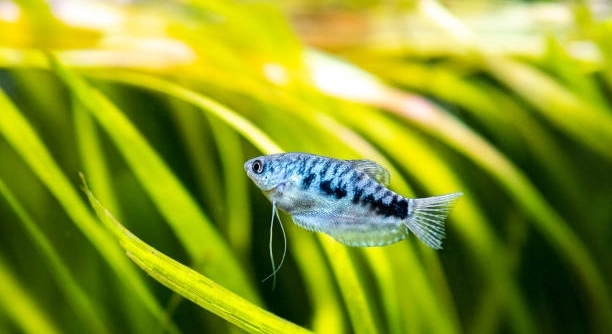
Gouramis are popular freshwater fish known for their vibrant colors and unique behaviors. However, aggression among gouramis can cause stress and harm within a tank. Managing their behavior is essential for maintaining a peaceful aquarium environment.
Reducing gourami aggression involves several practical strategies such as providing adequate space, ensuring proper tank setup, maintaining consistent water conditions, and offering hiding spots. These measures help minimize territorial disputes and improve overall fish welfare.
Applying these tips will help create a balanced environment where gouramis can coexist peacefully and thrive in captivity.
Provide Enough Space in the Tank
Gouramis need enough room to establish their territories without constant conflict. A crowded tank increases stress and aggression, especially among males. The general rule is to provide at least 20 gallons for one gourami and add 10 gallons for each additional fish. Larger tanks allow gouramis to swim freely and avoid direct confrontations. Providing vertical space is also important, as gouramis often use different tank levels. Overcrowding can lead to continuous chasing and fin nipping, which weakens the fish and raises the risk of disease. Spreading out decorations and plants helps create visual barriers that reduce direct line of sight between aggressive individuals. Proper spacing combined with hiding places improves the overall balance and calmness in the tank, promoting healthier social behavior.
A tank that is too small will quickly lead to territorial disputes and stress among gouramis. Ensuring adequate space is a key step in lowering aggression.
In addition to size, maintaining a clean environment is essential. Regular water changes and filtration keep conditions stable, which reduces stress. Grouping gouramis in appropriate numbers also supports social stability. Combining space with good tank management allows gouramis to coexist with fewer conflicts.
Maintain Consistent Water Conditions
Stable water conditions reduce stress and aggression among gouramis. Fluctuations in temperature, pH, or ammonia levels can trigger aggressive behavior as fish become unsettled. Gouramis prefer a temperature range between 75°F and 82°F and a pH between 6.0 and 7.5. Sudden changes in water quality cause discomfort and competition for resources increases as fish try to secure the best spots. Regular water testing and partial water changes keep conditions steady. Avoid overfeeding, which can degrade water quality and increase stress levels. Proper filtration helps maintain oxygen levels and removes waste efficiently. Consistency in water parameters supports a healthy environment where gouramis feel secure and less prone to aggressive actions.
Regular testing and gradual changes keep water conditions stable.
Keeping water parameters steady supports fish health and reduces triggers for aggression. Gouramis can thrive with consistent care that minimizes stress and allows natural behaviors to develop peacefully.
Add Plenty of Hiding Spots
Hiding spots reduce stress and give gouramis places to escape during conflicts. Plants, caves, and decorations create safe zones. Without enough cover, fish feel exposed and become more aggressive.
Providing dense plants and structures breaks up sightlines and helps gouramis avoid each other. Floating plants are particularly useful as gouramis like to swim near the surface. Hideouts also help weaker fish recover from minor injuries. Arranging tank decor to create multiple secluded areas decreases competition for space and lowers overall tension. Natural materials like driftwood add both shelter and aesthetic appeal. A well-decorated tank supports peaceful interaction by allowing gouramis to establish territories without constant direct contact.
Hiding spots contribute to a calmer environment and improve fish wellbeing by reducing stress and fights.
Monitor Tankmates Carefully
Choosing compatible tankmates prevents additional aggression. Gouramis can become territorial with certain fish species. Avoid overly aggressive or fin-nipping fish that provoke stress. Peaceful community fish that occupy different levels and do not compete for space are better options. Small schooling fish like tetras or rasboras usually coexist well. Larger or territorial fish should be avoided to prevent conflicts. Introducing new tankmates slowly helps gouramis adjust and reduces shock. Observing fish behavior regularly allows early detection of tension or bullying. If aggression increases, removing or relocating aggressive fish might be necessary to maintain peace in the tank. Thoughtful selection and monitoring of tankmates protect gouramis from unnecessary stress and fighting.
Feed a Balanced Diet
A balanced diet keeps gouramis healthy and less aggressive. Overfeeding can lead to poor water quality, which increases stress and fighting.
Feeding small amounts multiple times a day prevents competition over food. Use high-quality pellets, flakes, and occasional live or frozen foods to meet their nutritional needs.
Keep Males to a Minimum
Male gouramis tend to be more territorial and aggressive, especially when kept in groups. Limiting the number of males reduces conflicts and territorial disputes.
When housing multiple gouramis, it is better to have one male with several females or just females. This setup lowers stress and promotes peaceful coexistence.
Rearrange Tank Decor Occasionally
Changing the arrangement of plants and decorations disrupts established territories and reduces territorial aggression. It prevents any single fish from dominating a specific area. Rearranging the tank encourages exploration and social balance. Small changes can significantly reduce aggressive behaviors and improve harmony among gouramis.
Use Tank Dividers
Tank dividers physically separate aggressive gouramis. This method is effective when aggression becomes uncontrollable. Dividers allow fish to see each other but prevent direct contact, reducing injury risks while maintaining social interaction.
FAQ
How can I tell if my gourami is being aggressive?
Aggressive behavior in gouramis includes chasing, nipping fins, and territorial displays such as flaring their fins or color changes. You may notice one fish repeatedly bullying others or guarding a specific area aggressively. Signs of stress or injury on other fish often indicate ongoing aggression.
What causes gouramis to become aggressive?
Aggression usually results from territorial instincts, overcrowding, or competition for resources like food and hiding spots. Sudden changes in water conditions or tank setup can increase stress, triggering aggressive responses. Male gouramis are naturally more territorial, especially during breeding periods.
Is it normal for gouramis to show aggression?
Some level of territorial behavior is normal for gouramis, especially males. However, persistent aggression that causes harm or stress should be addressed. Proper tank management and social arrangements help keep this behavior in check, promoting a more peaceful community.
Can mixing different gourami species increase aggression?
Mixing gourami species can sometimes lead to increased aggression due to differences in behavior and territorial needs. Species with similar sizes and temperaments usually coexist better. Always research compatibility before introducing multiple gourami species into the same tank.
How important is tank size in controlling aggression?
Tank size is very important. Larger tanks provide enough space for gouramis to establish their territories without constant conflict. Small or overcrowded tanks increase competition for space, leading to heightened aggression and stress among fish.
What role do hiding spots play in reducing aggression?
Hiding spots give gouramis places to retreat, lowering stress and breaking up visual contact between aggressive individuals. Dense plants, caves, and decorations help fish avoid confrontations. Without adequate shelter, aggression is more likely as fish feel exposed and vulnerable.
How often should I rearrange the tank to reduce aggression?
Rearranging tank decorations every few weeks can disrupt established territories and reduce fighting. Even small changes encourage fish to explore and reset their social hierarchy. Avoid drastic changes that cause excessive stress, but regular minor adjustments promote a calmer environment.
Can diet affect gourami aggression?
Yes, diet affects behavior. Overfeeding or poor nutrition can increase stress and aggression. Feeding small amounts of varied, high-quality food several times a day helps maintain fish health and reduces competition during feeding times.
Are tank dividers a good long-term solution?
Tank dividers are useful for separating aggressive individuals, especially when other measures fail. They prevent physical harm but limit social interaction. Dividers are better as a temporary solution while adjusting tank conditions or rehoming aggressive fish.
How can I introduce new tankmates without increasing aggression?
Introduce new fish slowly and observe interactions closely. Adding peaceful, compatible species reduces stress. Quarantine new fish before introduction to avoid disease. Provide plenty of hiding spots and monitor for bullying. Removing aggressive individuals quickly prevents escalation.
Is it better to keep mostly females to reduce aggression?
Female gouramis are generally less territorial than males. Keeping more females with one or no males often reduces fighting. This setup lowers stress and helps maintain a peaceful community tank.
What water parameters help minimize aggression?
Stable water temperature (75°F–82°F), pH (6.0–7.5), and low ammonia levels create a comfortable environment. Sudden changes or poor water quality increase stress and aggressive behavior. Regular testing and maintenance are essential to keep parameters steady.
How do I recognize stress in gouramis caused by aggression?
Signs of stress include hiding, loss of appetite, color fading, rapid breathing, and damaged fins. Stressed fish are more vulnerable to disease. Observing these signs early allows timely intervention to reduce aggression and improve tank conditions.
Can overcrowding cause aggression even if the tank is large?
Overcrowding affects fish regardless of tank size if the number of gouramis exceeds the tank’s capacity. Each fish needs personal space and resources. Too many fish increase competition, stress, and territorial disputes.
What is the best way to deal with a persistently aggressive gourami?
Persistent aggression may require separating the aggressive fish using tank dividers or relocating it to another tank. Adjusting tank size, decor, and social structure can also help. In some cases, rehoming may be the best option for the well-being of all fish.
This FAQ provides clear guidance on managing gourami aggression through careful tank management, diet, and social arrangements to maintain a balanced and healthy aquarium environment.
Final Thoughts
Managing aggression in gouramis requires attention to their environment and social needs. Providing enough space, hiding spots, and suitable tankmates helps reduce stress and territorial behavior. Gouramis naturally establish territories, especially males, so a well-planned tank setup is essential. Overcrowding or poor water conditions can worsen aggression and affect fish health. Keeping the tank clean and stable supports a calm atmosphere where gouramis can thrive.
Feeding habits also play a role in reducing conflicts. Offering a balanced diet with proper portions prevents competition and stress during mealtime. Regularly rearranging tank decorations disrupts established territories and lowers tension. In some cases, using tank dividers may be necessary to separate aggressive individuals. Observing fish behavior closely allows early intervention before problems escalate.
Aggression among gouramis is common but manageable with consistent care. Adjusting tank size, social groups, and feeding routines creates a more peaceful community. The key is to meet gouramis’ natural needs while minimizing triggers for aggression. With proper management, gouramis can coexist harmoniously and remain healthy. This balance benefits both the fish and the aquarium keeper, leading to a more enjoyable and stable tank environment.

Hello,
If you enjoy the content that we create, please consider saying a "Thank You!" by leaving a tip.
Every little bit helps us continue crafting quality advice that supports the health, happiness, and well-being of pets around the world, for pets of all shapes, sizes, and species.
We really appreciate the kindness and support that you show us!