
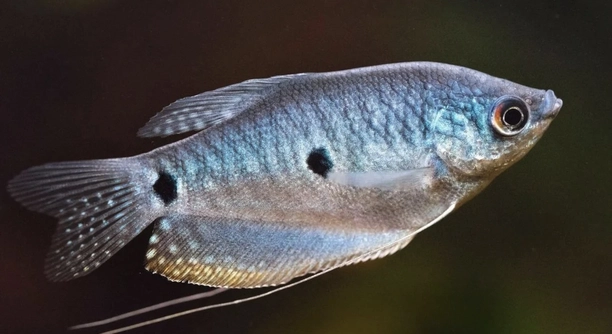
Gouramis are popular freshwater fish that many people enjoy keeping at home. Sometimes, these fish may suddenly shake or shiver, which can be puzzling for their owners. Understanding this behavior can help keep gouramis healthy and happy.
Gouramis shake suddenly due to several common causes such as water quality issues, stress, irritation from parasites, or discomfort in their environment. This shaking is often a reflexive response to external stimuli or internal health problems requiring attention.
Knowing why gouramis shake will help you better care for them and create a comfortable home where they can thrive and stay calm.
Common Causes of Gourami Shaking
Gouramis may shake suddenly for a few straightforward reasons. Poor water quality is a major factor. When ammonia, nitrites, or nitrates build up, fish become stressed and react by shaking. Temperature fluctuations can also cause discomfort. Gouramis prefer stable, warm water, and sudden changes can make them restless. Parasites and skin irritations often lead to shaking as well. These tiny invaders cause itching or pain, prompting the fish to shiver. Stress from overcrowding or aggressive tank mates is another cause. Gouramis are sensitive to their environment, so they may shake to show discomfort. Sometimes, shaking happens during normal behavior like breathing or cleaning themselves, but frequent shaking usually signals an issue that needs fixing.
Water quality and tank conditions are essential to prevent shaking. Regular testing and maintenance can keep gouramis calm and healthy.
Knowing these causes can help you spot problems early and keep your gourami comfortable and safe in their home.
How to Improve Water Quality
Maintaining clean water is the best way to reduce shaking in gouramis.
Proper filtration removes waste and toxins that harm fish. Performing partial water changes weekly keeps water fresh and balanced. Avoid overfeeding, as leftover food breaks down and pollutes the tank. Using a water conditioner helps remove harmful chemicals from tap water. Keep the water temperature steady, ideally between 75°F and 80°F, to suit gouramis’ needs. Testing water parameters regularly with a kit ensures ammonia, nitrites, and nitrates stay within safe limits. A stable environment reduces stress and prevents shaking caused by poor conditions. Clean tanks and good water quality give gouramis a peaceful space to swim and thrive. Following these steps will make a big difference in your fish’s behavior and health over time.
Parasites and Skin Irritations
Parasites can make gouramis shake because they irritate the skin. These tiny pests cause discomfort and lead to shaking or rubbing against objects.
When gouramis have parasites, their skin becomes inflamed or damaged. This irritation makes them restless and triggers shaking as a way to try and relieve the discomfort. Common parasites include ich, flukes, and lice. These pests are usually introduced by new fish or plants or can develop in tanks that are not cleaned regularly. Treating the tank with proper medication and isolating infected fish helps stop the problem quickly. Watching for early signs like shaking or spots on the skin is important to catch parasites before they cause serious harm.
Skin irritations can also come from poor water conditions or chemical exposure. Keeping the tank clean and stable supports healing and prevents further shaking caused by these issues.
Stress and Environment
Stress is a common reason why gouramis shake suddenly. It can be caused by aggressive tank mates, overcrowding, or constant changes in their surroundings. Stress weakens their immune system and affects their behavior.
Gouramis prefer calm and stable environments. Loud noises, sudden movements, or bright lights can increase their stress levels, causing shaking. Overcrowding limits their space and forces competition for food and hiding spots. Aggressive fish may nip or chase them, which also leads to shaking due to fear or pain. To reduce stress, it is important to provide enough room, peaceful companions, and a well-decorated tank with hiding places. Regularly monitoring their behavior helps identify stress early so you can make changes that improve their comfort and reduce shaking. A calm tank supports healthy, relaxed gouramis that are less likely to shake without reason.
Temperature Changes
Sudden temperature changes can cause gouramis to shake as their bodies react to stress. They need stable, warm water to feel comfortable.
Even small shifts in temperature may disrupt their metabolism and cause shaking. Keeping the tank heater consistent helps prevent this problem.
Breathing and Oxygen Levels
Gouramis use a special organ called the labyrinth to breathe air from the surface. If oxygen levels in the water drop, they may shake or gulp air more often.
Low oxygen can make them restless and trigger shaking. Improving aeration and water circulation helps keep oxygen levels healthy and reduces shaking caused by breathing difficulties.
Normal Behavior
Sometimes, gouramis shake during normal actions like cleaning their bodies or stretching their fins. This brief shaking is natural and harmless.
If the shaking is occasional and short, it likely isn’t a problem. However, frequent or prolonged shaking should be checked for underlying causes.
FAQ
Why does my gourami shake suddenly and frequently?
Frequent shaking in gouramis often signals stress, illness, or poor water conditions. Common causes include parasites, low oxygen levels, or an unstable environment. If shaking happens often, check the water quality, tank temperature, and look for signs of disease or injury. Addressing these factors usually stops the shaking.
Can sudden shaking be a sign of illness in gouramis?
Yes, shaking can indicate illness. Parasites like ich or skin flukes irritate the fish, causing them to shiver or rub against objects. Bacterial or fungal infections can also trigger shaking. Early detection and treatment are important to prevent worsening health problems.
Is it normal for gouramis to shake when they breathe?
Gouramis have a labyrinth organ that lets them breathe air at the surface. Sometimes they shake or twitch briefly during this process. This is normal behavior as long as it’s not constant or accompanied by other signs of distress.
How can I improve my gourami’s environment to reduce shaking?
Keep the tank clean with regular water changes and maintain stable temperature between 75°F and 80°F. Avoid overcrowding and choose peaceful tank mates. Add plants and hiding spots to help gouramis feel safe, reducing stress-related shaking.
Could poor water quality cause gouramis to shake?
Absolutely. High levels of ammonia, nitrites, or nitrates stress gouramis and cause shaking. Testing water regularly and using a good filtration system helps keep water safe. Partial water changes also reduce toxins that affect fish health.
What should I do if I suspect parasites are causing the shaking?
Isolate the affected fish to prevent spreading parasites. Use appropriate medication based on the parasite type, such as ich treatment or antiparasitic drops. Clean the tank thoroughly and remove uneaten food. Early treatment improves chances of full recovery.
Can sudden noises or vibrations make gouramis shake?
Yes, gouramis are sensitive to vibrations and loud noises. Sudden disturbances can stress them, causing shaking or darting behavior. Keeping the tank in a quiet, stable area helps prevent stress-induced shaking.
Is shaking ever harmless in gouramis?
Occasional, brief shaking can be normal during certain movements like stretching fins or cleaning. However, if shaking is frequent or intense, it usually points to an issue needing attention.
How do temperature changes affect gouramis?
Gouramis prefer steady, warm water. Sudden temperature drops or spikes can cause stress and shaking. Using a reliable heater and thermometer helps maintain a comfortable environment.
Can diet influence shaking in gouramis?
Poor nutrition weakens gouramis, making them more prone to stress and illness, which can lead to shaking. Feeding a balanced diet designed for gouramis supports their immune system and overall health.
What role does tank size play in gourami shaking?
A small or overcrowded tank increases stress, causing shaking. Gouramis need enough space to swim freely and hide. Providing at least 20 gallons for a single gourami reduces stress and promotes calm behavior.
Are there any signs to watch for besides shaking that indicate a problem?
Look for clamped fins, loss of appetite, lethargy, or visible spots and lesions. These signs alongside shaking often point to health or environmental problems requiring action.
How long does it take for gouramis to stop shaking after treatment?
With proper care and treatment, shaking often decreases within a few days to a week. Continuous monitoring is important to ensure the fish fully recovers and does not relapse.
Gouramis shaking suddenly can be worrying, but understanding the reasons behind this behavior helps a lot. Often, shaking is a sign that something in their environment is not quite right. It might be related to water quality, temperature, stress, or parasites. Paying attention to these factors can keep gouramis calm and healthy. Fish are sensitive creatures, and small changes can affect their comfort and behavior. Taking time to regularly check their tank conditions, such as water cleanliness and temperature, can prevent many common issues that cause shaking.
It’s also important to watch how gouramis interact with their surroundings and other fish. Stress from overcrowding or aggressive tank mates can make them shake more often. Creating a peaceful space with enough room and hiding spots can reduce this stress. Sometimes, shaking happens due to irritation from parasites or skin problems, which need quick treatment to stop discomfort. Being alert to any changes in behavior, such as shaking combined with other signs like loss of appetite or unusual spots, helps catch problems early. Acting on these signs promptly supports the long-term health of your gourami.
In the end, consistent care and attention go a long way in preventing gouramis from shaking suddenly. Simple steps like maintaining water quality, controlling temperature, and reducing stress keep them happy and stable. Knowing when shaking is just normal movement and when it signals a deeper issue makes caring for gouramis easier. With a calm environment and proper care, these beautiful fish will swim smoothly without sudden shaking, showing their natural grace and peaceful nature.

Hello,
If you enjoy the content that we create, please consider saying a "Thank You!" by leaving a tip.
Every little bit helps us continue crafting quality advice that supports the health, happiness, and well-being of pets around the world, for pets of all shapes, sizes, and species.
We really appreciate the kindness and support that you show us!