
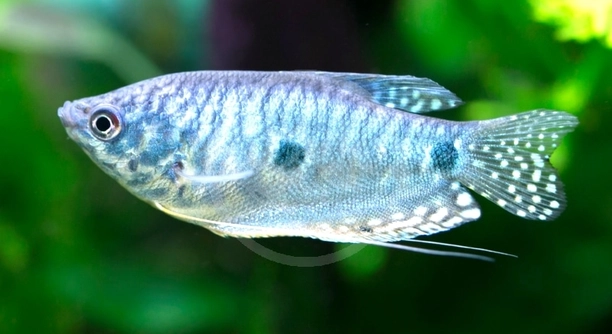
Gourami fish are known for their unique bubble nesting behavior, which plays a crucial role in their breeding process. Observing these nests reveals distinct patterns in how they build and maintain their structures. Understanding these patterns helps in appreciating their natural instincts and care needs.
Seven main patterns characterize gourami bubble nesting, including nest size variation, bubble composition, placement strategies, maintenance behaviors, parental involvement, environmental influences, and timing of nest construction. Each pattern contributes to successful reproduction and survival of offspring in varying conditions.
Exploring these patterns provides insight into gourami behavior and helps hobbyists create better environments for these fascinating fish. This knowledge is valuable for both casual observers and dedicated aquarists alike.
Nest Size Variation
Gourami bubble nests can vary widely in size depending on factors such as the species, age, and health of the male fish. Some nests may be small and compact, while others grow large and sprawling across the water surface. The size often reflects the male’s readiness and energy levels during breeding. Larger nests generally indicate a well-prepared male with a strong drive to protect the eggs and fry. In aquariums, nest size can also be influenced by the available space and water conditions. Males tend to expand the nest when they feel secure and reduce it if stressed or disturbed. Observing these changes in nest size offers valuable clues about the fish’s condition and environment. Monitoring this aspect can help caretakers adjust tank settings or introduce mates appropriately.
Nest size acts as an important indicator of breeding activity and male health in gouramis.
The bubble nests vary not only in size but also in shape and density. Some gouramis build tight clusters of bubbles, while others create looser, more spread-out nests. These differences may help protect eggs from predators or environmental factors like water flow. Nest size and structure directly impact egg survival rates, as well-built nests provide shelter and oxygen to the developing embryos. Adjusting tank conditions, such as reducing water agitation or providing floating plants, encourages healthier nest construction. Understanding these variations assists in creating optimal breeding conditions for gouramis in captivity.
Bubble Composition and Placement
Bubble nests are made primarily of saliva bubbles, which the male gourami blows at the water surface. These bubbles trap air and create a floating platform for the eggs. Males carefully select sheltered areas, often near floating plants or tank edges, to protect the nest from currents and disturbance.
The composition of bubbles can vary with water chemistry and temperature, affecting nest durability.
The male gourami’s ability to maintain the nest depends on the strength and consistency of the bubbles. In ideal conditions, bubbles remain stable for days, supporting the eggs until they hatch. Changes in water quality, like pH or hardness, can alter saliva properties, causing bubbles to burst more quickly. This forces the male to rebuild or repair the nest frequently, which can be stressful and energy-consuming. Additionally, placement is strategic to minimize risks from water movement and tank mates. Providing ample floating cover and calm water encourages successful nest building. Caretakers should observe bubble condition as a sign of water quality and intervene if nests repeatedly fail.
Maintenance Behaviors
Male gouramis constantly tend to their bubble nests by adding new bubbles and repairing broken ones. This behavior ensures the nest remains stable and safe for the eggs. Maintenance requires significant energy, especially in less-than-ideal tank conditions.
Frequent nest upkeep is critical for egg survival. The male removes debris and dead eggs, then reinforces the nest with fresh bubbles. This continuous effort protects the developing embryos from water disturbances and potential predators. If the tank environment is too stressful or crowded, males may neglect these duties, risking the entire brood. Monitoring nest maintenance can help identify problems early, allowing for adjustments in care.
In some cases, males aggressively defend the nest area during maintenance. This territorial behavior can affect other tank inhabitants. Providing enough space and hiding spots reduces stress on all fish and supports better nesting outcomes.
Parental Involvement
After the female lays eggs, the male takes sole responsibility for guarding and caring for them. He collects eggs that fall from the nest and places them back carefully. This active care continues until the fry hatch and become free-swimming.
Parental care in gouramis is essential to maximize offspring survival. The male’s attention protects eggs from fungus, debris, and predation. His role includes fanning the nest to ensure proper oxygen flow, which supports healthy development. This behavior can last up to several days, depending on species and environmental conditions. Successful parental care depends heavily on the male’s health and stress levels.
Males may become less attentive if disturbed frequently or if water conditions deteriorate. Maintaining a stable, calm environment supports the male’s ability to fulfill these duties. Caretakers should minimize disruptions around breeding tanks during this sensitive period to promote effective parental involvement.
Environmental Influences
Water temperature and quality have a direct effect on bubble nest building. Stable, warm conditions encourage males to start and maintain nests. Sudden changes can cause stress, leading to incomplete or abandoned nests.
Light levels and tank decorations also impact nesting. Dimmer lighting and floating plants provide shelter and reduce disturbances, promoting better nest stability.
Timing of Nest Construction
Gouramis typically build bubble nests in the early morning hours. This timing allows the nest to be ready for eggs when females are receptive. Nest construction can last several hours depending on the male’s experience and environmental conditions.
Nest Abandonment
Nest abandonment often occurs when environmental factors are unfavorable. Stress, poor water quality, or frequent disturbances cause males to leave nests, risking egg survival.
FAQ
Why do gouramis build bubble nests?
Gouramis build bubble nests to protect their eggs and young. The bubbles provide a safe, oxygen-rich environment where eggs can develop away from predators and strong currents. The nest supports the eggs until they hatch and the fry become free-swimming.
How can I tell if my gourami is building a bubble nest?
Look for clusters of small bubbles floating on the water surface, often near plants or tank edges. The male will frequently add new bubbles and guard the area closely. Sometimes, you may see the male blowing bubbles or arranging the nest.
What should I do if the bubble nest breaks down?
If the nest breaks down, it may be due to water movement, poor water quality, or stress. Try reducing tank agitation, improving water parameters, and minimizing disturbances around the tank. The male should start repairing the nest if conditions improve.
Can other fish damage the bubble nest?
Yes, other fish can disturb or break the bubble nest, especially if they are curious or aggressive. It helps to keep tank mates peaceful and provide hiding spots. Separating the male gourami during breeding can prevent damage to the nest.
Is the size of the bubble nest important?
Nest size can indicate the male’s health and breeding readiness. Larger nests usually show strong breeding intent, but smaller nests can still be effective. What matters most is that the nest is stable and well-maintained.
How long does it take for eggs to hatch in the bubble nest?
Eggs usually hatch within 24 to 48 hours after being laid, depending on water temperature. Warmer water speeds up development. The male continues to guard and care for the eggs during this period.
What happens after the eggs hatch?
After hatching, the fry stay close to the nest for a few days before becoming free-swimming. The male may continue to protect them initially but gradually loses interest as the fry grow. At this point, it’s important to provide suitable food for the fry.
Why does my male gourami stop maintaining the nest?
Stopping nest maintenance often means the male is stressed or sensing something wrong. Changes in water quality, illness, or frequent disturbances can cause this behavior. Ensuring stable, calm tank conditions is key to encouraging nest care.
Can bubble nests be encouraged in a home aquarium?
Yes, creating calm water with stable temperature, proper lighting, and plenty of floating plants encourages bubble nest building. Avoid frequent tank changes or disruptions during breeding periods.
What should I feed breeding gouramis?
Provide high-quality live or frozen foods such as brine shrimp or daphnia. Protein-rich diets improve the male’s energy for nest building and egg care. Avoid overfeeding to maintain water quality.
Do female gouramis help with the nest?
Females do not maintain the bubble nest. Their role ends after laying the eggs. Males handle nest construction, maintenance, and egg protection until hatching.
How important is water quality for bubble nesting?
Water quality is critical. Poor water conditions can cause nests to collapse or be abandoned. Maintaining stable pH, temperature, and cleanliness supports healthy nesting behavior and successful breeding.
Can I keep multiple males in the same tank during breeding?
Multiple males may compete aggressively and damage each other’s nests. It’s safer to house breeding males separately to avoid stress and ensure nest success.
What are signs of a successful bubble nest?
A well-built bubble nest stays intact for several days, with the male guarding it actively. Eggs are visible beneath the bubbles, and the male repeatedly tends to the nest.
How do temperature fluctuations affect bubble nesting?
Sudden temperature changes can disrupt nest building and cause males to abandon nests. Maintaining a stable temperature around 78–82°F supports optimal breeding behavior.
Final Thoughts
Bubble nesting is a fascinating behavior unique to gouramis and a few other fish species. It serves as a natural way to protect eggs and ensure their survival in environments where water currents or predators might pose a risk. Observing how male gouramis build, maintain, and defend their bubble nests provides insight into their instinctive parenting skills. This behavior shows how fish adapt to their surroundings to increase the chances of their offspring reaching maturity. Understanding these patterns helps aquarists create better conditions for successful breeding and healthier fish populations.
Maintaining a proper environment is crucial for encouraging bubble nest building. Stable water temperature, good water quality, and minimal disturbances contribute to the male gourami’s motivation and ability to build a strong nest. Tank setup also plays a role; the presence of floating plants or calm surface areas supports nest stability. It is important to monitor the fish during breeding periods and reduce stress factors. Stress or poor conditions can lead to nest abandonment or weak parental care, which reduces the likelihood of fry survival. Careful observation and timely adjustments to the aquarium environment improve the success of bubble nesting.
In summary, bubble nesting is a delicate process that depends heavily on the male gourami’s health and environmental factors. Providing the right conditions and minimizing disturbances are key to supporting this natural behavior. While it may require some patience and attention, the result is rewarding for those interested in breeding gouramis or learning more about fish behavior. Watching a bubble nest grow and seeing the fry develop is a reminder of the complex and interesting lives these fish lead beneath the water surface. This knowledge encourages more informed and responsible care for gouramis in home aquariums.

Hello,
If you enjoy the content that we create, please consider saying a "Thank You!" by leaving a tip.
Every little bit helps us continue crafting quality advice that supports the health, happiness, and well-being of pets around the world, for pets of all shapes, sizes, and species.
We really appreciate the kindness and support that you show us!