
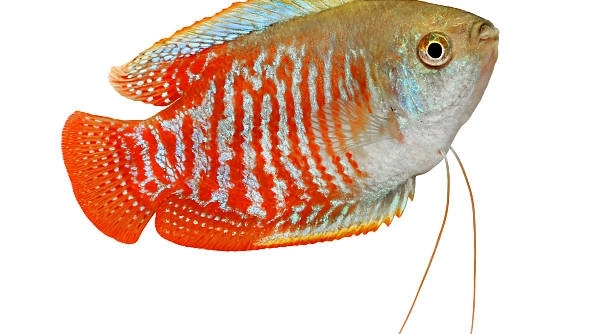
Gouramis are colorful freshwater fish known for their unique behaviors in home aquariums. Their tendency to chase other fish often catches the attention of aquarium enthusiasts. Understanding why gouramis display this behavior helps create a better environment for all fish.
Gouramis chase others primarily due to territorial instincts and social hierarchy establishment. This behavior is common during breeding or when space is limited, as gouramis assert dominance to protect resources or mates. Environmental stressors can also increase chasing incidents.
Knowing what triggers this chasing behavior allows fishkeepers to manage tank conditions effectively. It helps maintain harmony among aquarium inhabitants and supports the well-being of gouramis and their tank mates.
Territorial Behavior in Gouramis
Gouramis naturally establish territories, especially males. When a gourami feels its space is invaded, it may chase other fish to defend its area. This behavior helps reduce competition for food, shelter, and potential mates. In smaller tanks, territorial disputes are more frequent because fish have limited space to claim. It is common for gouramis to flare their fins and display aggressive postures before chasing. This can look intimidating but is a way to communicate dominance without physical harm. Providing enough hiding spots and visual barriers can help reduce these confrontations by breaking sight lines between fish. It is important to monitor interactions and ensure that chasing does not lead to injury or excessive stress.
Territorial chasing tends to increase when gouramis feel crowded or stressed. Managing tank size and decorations can minimize this behavior.
A well-planned aquarium with ample space and hiding areas allows gouramis to coexist more peacefully. Understanding their need for personal space can prevent constant chasing and maintain a calm environment.
Social Hierarchy and Chasing
Gouramis form social hierarchies where dominant fish assert control by chasing subordinates. This behavior is common in community tanks with multiple gouramis or other species. The chasing helps maintain order and establishes which fish has priority over resources like food or mates. Dominance can shift over time, especially if the tank population changes or if a fish grows larger. Subordinate gouramis usually avoid dominant ones to reduce conflict, but persistent chasing can cause stress or injury if space is insufficient.
Stress from frequent chasing weakens immune responses and can lead to health issues. In some cases, breaking up aggressive pairs by moving one fish or rearranging the tank setup can restore balance. Monitoring behavior regularly helps identify when hierarchy disputes become problematic. Providing an environment with enough space, hiding spots, and distractions reduces chasing and supports a healthier community. Creating conditions where gouramis can express natural social behaviors without constant aggression is essential for their well-being.
Breeding Behavior and Chasing
During breeding, male gouramis become more aggressive and chase other fish to protect their chosen mate and nesting area. This is a natural instinct to ensure the survival of their offspring. The chasing can seem intense but usually decreases once spawning is complete.
Males build bubble nests and guard the area carefully. Any fish approaching too close may be chased away to prevent disturbance. This includes females, other males, and even different species. Providing a separate breeding tank or plenty of plants helps reduce tension and gives space for nesting. The female often retreats when the male becomes aggressive, signaling the need for space.
It is important to observe carefully during this period. Excessive chasing can cause stress or injury, so be ready to intervene if needed. Keeping breeding gouramis in a controlled environment improves success and reduces problems with chasing.
Environmental Stress and Its Impact
Changes in water quality, temperature, or overcrowding can increase stress levels in gouramis, which triggers chasing behavior. Stress makes gouramis more defensive and likely to assert dominance aggressively. This reaction is a survival mechanism but can disrupt harmony in the tank. Poor water conditions weaken fish and heighten aggression.
Stable water parameters, regular cleaning, and proper tank size help minimize stress. Overcrowding creates competition for resources, increasing chasing. Stress can also cause health problems like disease, which further impacts behavior. Observing fish for signs of distress and addressing environmental factors promptly supports their well-being.
Managing stress through careful tank maintenance and balanced stocking ensures gouramis remain calmer and less prone to chasing. A peaceful environment benefits all tank inhabitants and promotes natural, healthy behavior.
Tank Size and Space
Small tanks limit the space gouramis need to establish territories, which leads to more chasing. Providing a larger tank reduces conflicts and allows fish to spread out naturally. More space means less stress and fewer aggressive interactions overall.
Even with enough space, overcrowding should be avoided. Overstocking increases competition and chasing, harming the tank’s balance. Proper stocking levels keep the environment peaceful.
Compatibility with Other Fish
Gouramis chase tank mates that they see as threats or competitors, especially species with similar size or temperament. Choosing peaceful, non-aggressive companions reduces chasing incidents. Avoiding fin-nippers or overly bold fish helps maintain harmony. Proper pairing supports a balanced aquarium.
Using Plants and Decorations
Plants and decorations create hiding spots and visual barriers, reducing line of sight between fish. This helps lower territorial aggression and chasing. Dense planting and strategically placed decor make the tank feel larger and safer for gouramis.
Monitoring Behavior
Regular observation allows early detection of excessive chasing. Timely action helps prevent injuries and stress in gouramis and other fish.
FAQ
Why do gouramis chase each other so much?
Gouramis chase each other mainly because of territorial instincts and social hierarchy. Males especially want to protect their space and establish dominance. This behavior increases in smaller tanks or when resources like food and hiding spots are limited. It is a natural way for them to communicate and avoid physical fights.
Is chasing harmful to other fish?
Chasing can be stressful and sometimes cause minor injuries. If it becomes constant or aggressive, it may weaken the chased fish or lead to illness. Monitoring the tank is important to ensure no fish is overly stressed or harmed. If needed, separating aggressive individuals can help.
How can I reduce chasing in my aquarium?
Increasing tank size and adding plants or decorations to break sight lines helps reduce chasing. Proper stocking levels and compatible tank mates also minimize aggressive behavior. Maintaining good water quality and stable conditions lowers stress that can trigger chasing.
Do only male gouramis chase others?
Males are more likely to chase due to territorial and breeding behavior, but females can also chase occasionally. Females usually display less aggression. Chasing among females is less common and often related to establishing social order.
Does chasing mean my gouramis are unhealthy?
Not necessarily. Chasing is often a normal behavior, especially related to territory and social ranking. However, excessive chasing combined with other signs like lethargy or loss of appetite may indicate stress or illness. Checking water quality and fish health can help determine if something is wrong.
What should I do if the chasing gets too intense?
If chasing becomes aggressive and injures fish, it’s best to intervene by rearranging the tank, adding more hiding spots, or separating aggressive gouramis. Sometimes increasing tank size or providing a breeding tank for males reduces tension. Prompt action helps keep all fish safe.
Can breeding cause increased chasing?
Yes, male gouramis become more protective and aggressive during breeding. They chase away other fish to guard their nest and mate. This behavior usually decreases once spawning is over. Providing a separate breeding tank helps control this aggression.
Will adding more gouramis reduce chasing?
Adding more gouramis can sometimes spread aggression but often increases competition if the tank is too small. It’s important to ensure enough space and hiding places before adding more fish. A balanced number with proper tank conditions reduces stress and chasing.
How do tank decorations help with chasing?
Plants, rocks, and other decorations break the line of sight between fish. This limits how often gouramis see each other and reduces territorial disputes. Hiding places give chased fish refuge and lower stress, making the environment calmer.
Can chasing cause health problems in gouramis?
Yes, continuous chasing increases stress, which weakens immune systems and can lead to infections or disease. Injuries from chasing also increase risk of secondary infections. Keeping aggression in check is important for overall health.
Is chasing more common in certain gourami species?
Some gourami species, like the three-spot or kissing gourami, are known to be more territorial and aggressive. Others, such as honey gouramis, tend to be calmer. Knowing the species’ typical behavior helps in planning tank mates and space requirements.
Should I separate aggressive gouramis permanently?
Permanent separation is sometimes necessary if aggression causes repeated harm. However, temporary separation during breeding or stress periods may be enough. Observing behavior after changes helps decide if permanent separation is needed.
How can I tell if chasing is normal or a problem?
Normal chasing involves short bursts of chasing and displays without injury. If chasing is constant, involves biting, or causes visible wounds, it’s a problem. Watching fish behavior regularly helps catch these signs early.
Does feeding affect chasing behavior?
Feeding reduces chasing when done properly, as hungry fish are more aggressive. Feeding small amounts frequently helps keep fish calm. Competition for food can increase chasing if portions are too small or unevenly distributed.
Can water temperature influence chasing?
Higher water temperatures increase metabolism and activity levels, which can make gouramis more territorial and prone to chasing. Maintaining stable, appropriate temperatures helps keep behavior balanced.
What role does tank lighting play in chasing?
Bright lighting may increase stress and make fish more visible, potentially raising aggression and chasing. Dimmer, natural lighting conditions often help gouramis feel safer and reduce chasing.
Is it normal for gouramis to chase fish of other species?
Yes, gouramis may chase other species if they feel threatened or competition is high. Aggression varies depending on the temperament of the gourami and the tank mates. Choosing peaceful companions reduces this behavior.
Can stress from transport or new environment cause chasing?
Stress from moving or new tanks often triggers defensive chasing as fish try to settle and establish territory. Providing hiding places and minimal disturbances during acclimation reduces stress and chasing.
Are there any signs that chasing is linked to illness?
Ill fish may be chased more often if they appear weak or slow. Sudden changes in chasing patterns, combined with lethargy, discoloration, or abnormal swimming, may indicate illness requiring attention.
Does the age of gouramis affect chasing?
Younger gouramis tend to be less territorial but may become more aggressive as they mature. Adult males especially show stronger chasing behavior to defend territory and mates.
What can I do if my gouramis constantly chase each other despite changes?
If chasing persists, consider consulting a specialist or rehoming one fish. Sometimes individual personalities clash, and not all gouramis adapt well to the same tank environment. Finding the right balance supports long-term peace.
Final Thoughts
Gouramis are naturally territorial fish, and chasing behavior is a common part of how they interact with each other. This behavior helps them establish social order and protect their space. While it may seem aggressive, chasing is often a way to avoid more serious conflicts. Understanding this behavior is important for anyone keeping gouramis in an aquarium. It allows for better management of their environment and helps reduce stress for all fish involved.
Creating a suitable environment is key to minimizing chasing. Providing enough space, adding plants and decorations, and choosing compatible tank mates can make a significant difference. A larger tank gives gouramis room to claim their own areas without constantly confronting each other. Hiding places allow them to retreat when feeling threatened. Proper tank setup not only reduces chasing but also supports healthier, calmer fish. Monitoring the aquarium regularly will help identify any problems early and allow adjustments before stress or injuries occur.
In some cases, chasing cannot be completely eliminated, especially during breeding or when male gouramis are involved. It is important to recognize when chasing becomes harmful and to take steps to protect the fish. Separating aggressive individuals or improving the tank environment can help maintain peace. Overall, a well-planned and maintained aquarium promotes the natural behaviors of gouramis without causing excessive stress. Taking the time to understand and address chasing helps create a better home for these fish and supports their well-being over time.

Hello,
If you enjoy the content that we create, please consider saying a "Thank You!" by leaving a tip.
Every little bit helps us continue crafting quality advice that supports the health, happiness, and well-being of pets around the world, for pets of all shapes, sizes, and species.
We really appreciate the kindness and support that you show us!