
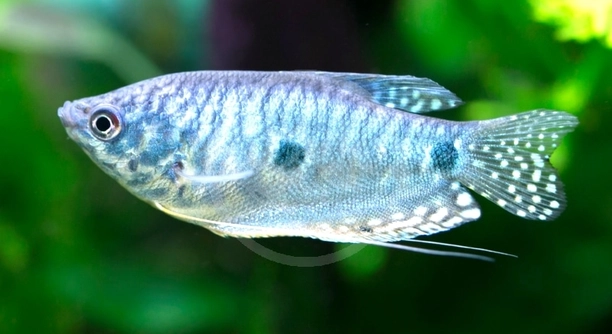
Gouramis are popular freshwater fish often kept in home aquariums. Many people enjoy watching their behaviors and interactions. These fish have unique traits that make them interesting pets to observe daily.
Gouramis can learn simple habits through conditioning and repetition. Studies show they respond to feeding times and environmental cues, demonstrating a basic level of learning and memory. This ability helps them adapt to their surroundings and owner routines.
Exploring how gouramis develop habits can improve care techniques and enhance their environment. Understanding these behaviors supports a better relationship between owners and their fish.
How Gouramis Learn Habits
Gouramis learn habits mainly through repetition and consistency. When you feed them at the same time every day, they start to expect food at that time. This behavior shows they can recognize patterns. Over time, they may swim to the feeding area as you approach the tank. They also learn to associate certain cues, like the sound of tapping the tank or the movement of your hand, with feeding. This kind of learning is called conditioning. It’s not complicated but helps them adapt to their environment. Some gouramis can even learn to respond to simple signals, like a light turning on or a specific sound. This ability shows they have a basic memory and can connect events. However, their learning is limited to simple habits, not complex tricks or tasks. Repetition and a calm environment help reinforce these habits and reduce stress.
These learning habits make gouramis easier to care for and more interactive. They become more predictable in their behavior, which can be comforting for owners.
Getting to know your gourami’s learning patterns improves the overall care you provide. By understanding how they respond, you can create a routine that supports their well-being and encourages healthy behavior in your aquarium.
Signs Gouramis Develop Simple Habits
Gouramis often show clear signs when they have developed simple habits. These signs include swimming to a specific area at feeding times, reacting to certain sounds, or recognizing owners who feed them.
Observing these behaviors can help you understand how well your gourami is adapting to its environment. When they respond consistently to feeding cues or tank activities, it means they have formed habits through learning. For example, some gouramis might swim up to the surface when they see you approach or when the tank light switches on. This response is an indication they expect food soon. Other behaviors may include following a routine movement pattern in the tank or reacting to changes around them. These habits develop over days or weeks of consistent care and interaction. Knowing these signs allows you to create better care strategies, improve their tank environment, and build a more engaging routine for your fish.
Training Gouramis with Simple Habits
Training gouramis requires patience and consistency. Using regular feeding times and gentle cues helps them recognize patterns. They respond best when actions are repeated calmly and without sudden movements.
Positive reinforcement, like offering food immediately after a behavior, encourages gouramis to repeat it. For example, tapping the tank before feeding creates an association between the sound and food. Over time, the fish may come to the surface when they hear the tap. This method is simple but effective for forming habits. Avoid stressful or loud actions, as gouramis prefer a calm environment for learning. Consistency is key, so keep your routine steady to help them learn faster.
Using small changes, like light signals or gentle hand motions, can also help condition gouramis. These cues add variety to the learning process and strengthen their response to different triggers. By maintaining a calm environment, you encourage better behavior and reduce stress, making the training process smoother and more successful.
Benefits of Habit Learning in Gouramis
Habit learning improves the daily care of gouramis. When they recognize feeding times or respond to signals, feeding becomes easier and less stressful for both fish and owner.
This predictable behavior helps in monitoring their health and appetite. If a gourami suddenly stops responding to usual cues, it may indicate illness or stress. Habit learning also makes the fish more interactive, adding enjoyment to aquarium keeping. Knowing they remember feeding routines helps build trust over time. It also allows you to detect changes in behavior quickly, so you can address problems early. Overall, training gouramis with simple habits leads to a healthier, more comfortable life for the fish. This interaction enhances the aquarium experience and strengthens the bond between owner and pet.
Common Mistakes When Training Gouramis
Rushing the training process can confuse gouramis and cause stress. Avoid changing routines too often, as consistency is essential. Sudden loud noises or fast movements may scare them and interrupt learning.
Another mistake is offering food too irregularly. This makes it hard for gouramis to connect cues with rewards, slowing habit formation. Keeping a calm and steady environment helps prevent these issues and supports better learning.
Environmental Factors Affecting Habit Formation
Water quality and tank setup greatly influence gouramis’ ability to learn habits. Poor water conditions cause stress and reduce focus, making it harder for fish to remember routines. A clean, stable environment supports better behavior.
Tanks with proper hiding spots and minimal disturbances create a safe space, allowing gouramis to feel secure. When they feel safe, they are more likely to respond well to training and develop habits faster.
Simple Habits to Teach Gouramis
Basic feeding response to signals like tapping or light changes is easiest. These habits build trust and routine in daily care. Starting small helps gouramis learn without feeling overwhelmed.
How Long Does It Take to Train Gouramis?
Training time varies, but consistent daily practice for a few weeks usually shows results. Patience is important to see steady progress.
Can gouramis really learn to recognize their owners?
Yes, gouramis can recognize the people who care for them, especially those who feed them regularly. Over time, they learn to associate your presence, movements, or even your voice with positive experiences like feeding. They may swim to the front of the tank or follow your hand, showing recognition. This is a simple form of habit learning based on repeated interactions. However, their recognition is limited and based mostly on routine rather than complex memory.
How do gouramis respond to feeding cues?
Gouramis quickly learn to associate certain cues with feeding time. Common cues include tapping on the tank, shaking the food container, or turning on the aquarium light. After a few repetitions, they may swim to the surface or a specific corner of the tank when they notice these signals. This response shows they connect the cue with the arrival of food. Regular feeding schedules strengthen this habit, making it a reliable way to train simple behaviors.
Are gouramis capable of learning tricks or complex tasks?
Gouramis have limited cognitive abilities compared to some other fish species. They can learn simple habits but are unlikely to perform complex tricks like jumping through hoops or navigating mazes. Their learning mostly involves recognizing patterns related to feeding and safety. Keeping expectations realistic helps in providing appropriate care and training, focusing on habits that improve daily interaction rather than advanced behaviors.
What is the best way to start training a gourami?
Start by establishing a consistent feeding routine. Choose a clear signal, such as tapping the tank lightly or switching on a light, right before feeding. Repeat this every day so the gourami links the cue with food. Keep the environment calm and avoid sudden movements. Reward the fish immediately after the cue to reinforce the behavior. Patience and repetition are key; don’t rush the process.
Can stress affect a gourami’s ability to learn habits?
Absolutely. Stress from poor water quality, aggressive tank mates, or frequent disturbances can reduce a gourami’s focus and ability to learn. Stress weakens their immune system and may cause them to hide or lose appetite. Creating a stable, clean tank environment and minimizing loud noises or rapid movements supports better learning and overall health.
How long does it usually take for gouramis to learn simple habits?
Most gouramis begin showing responses to simple cues within one to two weeks of consistent training. Some may take a little longer depending on individual temperament and tank conditions. Daily practice is important. Over time, the habit strengthens, making the fish more predictable and interactive.
Is it harmful to tap the tank to train gouramis?
Tapping lightly and infrequently as a training cue is generally safe, but excessive or loud tapping can cause stress. The goal is to create a gentle, consistent signal without startling the fish. If the gourami shows signs of stress, like darting or hiding, reduce or stop the tapping and try a different cue.
What other signals can be used besides tapping?
Lights turning on or off, hand movements near the tank, or the sound of the food container opening can all be effective cues. The key is consistency and pairing the signal immediately with feeding. Each gourami might respond better to certain cues, so observing their reaction helps find the best method.
Can multiple gouramis learn habits together?
Yes, gouramis in a group can learn habits, especially related to feeding times and signals. However, social dynamics might affect individual behavior; dominant fish may get more attention or food. Training works best with small groups or individual fish to ensure each receives consistent cues and rewards.
What happens if the routine changes suddenly?
Gouramis rely on routine to feel safe and learn habits. Sudden changes, like feeding at different times or changing cues, can confuse them and disrupt learned behaviors. This may lead to stress or slower habit formation. Keeping routines steady helps maintain good habits and reduces anxiety.
Can training gouramis improve their health?
Indirectly, yes. Training gouramis to respond to feeding cues ensures they eat regularly and get proper nutrition. This consistency supports their immune system and overall well-being. Engaging them with simple habits also encourages activity and mental stimulation, which benefits their health.
Are some gourami species better learners than others?
While all gouramis share similar learning abilities, individual temperament varies by species and personality. Some gouramis may be more curious or active, making them quicker learners. However, differences are usually subtle. Patience and consistent training are effective regardless of species.
Can you teach gouramis to come when called?
To a degree, yes. Using a consistent sound or visual cue associated with feeding can encourage gouramis to come closer. They don’t understand “calling” like pets on land, but they can learn to respond to repeated signals connected to positive outcomes like food. This can make feeding time more interactive and enjoyable.
Training gouramis to learn simple habits is possible with patience and consistency. These fish are able to recognize routines, especially when it comes to feeding times. By using gentle signals like tapping the tank or turning on a light before feeding, gouramis start to associate these cues with food. Over time, they may come to the surface or swim to a specific area when they expect to be fed. This shows they have a basic memory and can adapt to their environment. Although gouramis cannot perform complex tricks, their ability to learn simple habits can make caring for them easier and more enjoyable.
Keeping the environment calm and stable is important for successful habit formation. Gouramis are sensitive to stress caused by poor water quality, loud noises, or aggressive tank mates. When they feel safe and comfortable, they are more likely to respond well to training. It is also important to be consistent with feeding times and signals so the fish can clearly connect the cue to the reward. Sudden changes or irregular routines can confuse gouramis and slow down their learning process. A clean tank with places to hide helps reduce stress and encourages positive behavior.
Training gouramis is not just about teaching habits; it also improves their overall well-being. When gouramis learn to respond to cues, feeding becomes less stressful for both the fish and the owner. This predictability allows you to monitor their health better by noticing changes in behavior quickly. Simple training strengthens the bond between you and your fish, making your aquarium a more interactive and pleasant space. With steady practice and care, gouramis can become more engaging pets that brighten your home.

Hello,
If you enjoy the content that we create, please consider saying a "Thank You!" by leaving a tip.
Every little bit helps us continue crafting quality advice that supports the health, happiness, and well-being of pets around the world, for pets of all shapes, sizes, and species.
We really appreciate the kindness and support that you show us!