
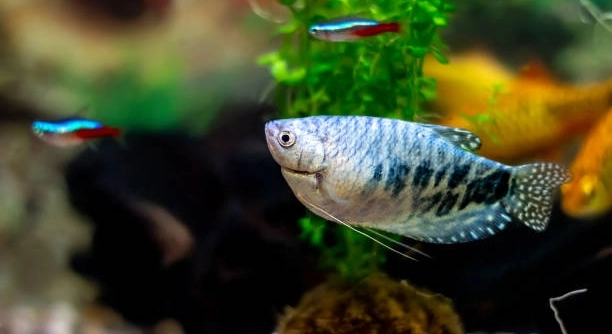
Gouramis are popular freshwater fish known for their bright colors and peaceful nature. Sometimes, their fins begin to curl, which can be worrying for fish owners. This article explores common reasons behind gourami fin curling.
Fin curling in gouramis can result from several causes, including poor water quality, bacterial or fungal infections, nutritional deficiencies, stress, genetic factors, or physical injury. Understanding these causes is essential to provide proper care and treatment.
Recognizing the reasons behind fin curling will help you maintain a healthy environment for your gourami and address any problems early. This guide offers clear insights to support your fish’s wellbeing.
Poor Water Quality
Poor water conditions are one of the main reasons gourami fins begin to curl. When the tank water has high levels of ammonia, nitrites, or nitrates, it can irritate the fish’s skin and fins. Dirty water can also encourage the growth of harmful bacteria and fungi, which damage the delicate fin tissue. Temperature fluctuations and improper pH levels add stress, weakening the fish’s immune system. Regular water changes and testing are vital to keep the environment stable. Using a reliable filter and avoiding overcrowding also help maintain good water quality. When water is clean and stable, gouramis are less likely to develop fin problems and stay healthy for longer.
Keeping your tank water clean is key to preventing fin curling. Proper filtration and regular maintenance make a big difference in your gourami’s health.
Maintaining balanced water parameters supports the fish’s natural healing and reduces stress. Consistent care creates a safe habitat where fins stay strong and intact.
Bacterial and Fungal Infections
Bacterial and fungal infections often cause the edges of gourami fins to curl or rot. These infections usually appear after an injury or when water conditions are poor. Bacteria and fungi attack the weakened fin tissue, leading to inflammation, discoloration, and curling. Early signs include white patches, redness, or frayed fins. If untreated, the infection can spread and seriously harm the fish’s health. Treatment typically involves using medicated water conditioners or antibiotics recommended for aquarium use. It’s also important to isolate infected fish to prevent spreading to others. Improving water quality during treatment supports recovery. Keeping the tank clean and avoiding injuries can help reduce the risk of infections.
Preventing infection means good hygiene and quick action at the first sign of fin damage. Monitoring your gourami closely helps catch problems early.
To treat bacterial or fungal infections, use medications designed for fish and follow dosing instructions carefully. Remove any uneaten food and perform frequent water changes during treatment. Healing fins need clean, stable water conditions, so avoid sudden changes in temperature or pH. If the infection is caught early, most gouramis recover fully without lasting damage. In severe cases, fin tissue may take weeks to regrow, so patience and consistent care are essential. Keeping your fish’s environment healthy reduces the chance of these infections returning.
Nutritional Deficiencies
Lack of proper nutrients can cause gourami fins to curl or weaken. A diet missing essential vitamins and minerals affects fin health directly.
Providing a balanced diet with high-quality flakes, pellets, and occasional live or frozen foods ensures your gourami gets necessary nutrients. Vitamins like A and C support fin regeneration and immune function. Without these nutrients, fins become brittle and prone to curling or tearing. Feeding a variety of foods helps maintain overall health and vibrant colors.
Overfeeding or poor diet can also lead to water quality issues, worsening fin problems. Be mindful of portion sizes and avoid relying on one type of food. Good nutrition, combined with clean water, helps your gourami’s fins stay strong and healthy.
Stress
Stress is a common cause of fin curling in gouramis and can result from several factors like overcrowding, aggressive tank mates, or sudden environmental changes.
Stress weakens the immune system, making the fish more vulnerable to infections and fin damage. A calm, stable environment with plenty of hiding spots reduces stress. Avoid loud noises, rapid water changes, or aggressive companions to keep your gourami relaxed. Monitoring behavior can help identify stress early. Reducing stressors supports fin healing and prevents curling from worsening. Ensuring peaceful tank conditions is key to maintaining healthy fins and overall wellbeing in your gourami.
Genetic Factors
Some gouramis may have a natural tendency toward fin curling due to their genetics. This is often seen in selectively bred varieties.
While genetic fin curling can’t be completely prevented, good care can minimize its impact. Healthy water and nutrition support the fish’s overall condition.
Physical Injury
Physical damage from sharp objects or aggressive tank mates can cause fins to curl. Injuries make fins vulnerable to infections and further damage.
Poor Tank Setup
An inappropriate tank setup, such as overcrowding or lack of hiding places, increases stress and the risk of fin curling in gouramis.
What causes gourami fins to curl?
Gourami fins curl mainly due to poor water quality, infections, stress, nutritional deficiencies, physical injury, genetics, and tank conditions. Each of these factors weakens the fins or causes damage, leading to curling or fraying. Identifying the exact cause helps in proper treatment and care.
How can I improve water quality for my gourami?
Regular water changes, proper filtration, and monitoring water parameters like ammonia, nitrite, nitrate, and pH are essential. Avoid overcrowding and remove uneaten food promptly. Keeping the tank clean reduces harmful bacteria and toxins that can damage your gourami’s fins.
What signs indicate a bacterial or fungal infection?
Look for redness, white patches, frayed or curling fins, and unusual behavior like lethargy or loss of appetite. Infections often follow fin injuries or poor water conditions. Early treatment prevents serious health issues and promotes faster fin recovery.
What is the best diet to prevent fin curling?
Feed a varied diet of high-quality flakes or pellets supplemented with live or frozen foods. Include vitamins A and C to boost immune health and fin regeneration. Avoid overfeeding to keep water clean and reduce stress on your gourami.
Can stress alone cause fin curling?
Yes, stress weakens the immune system and slows fin healing. Causes include aggressive tank mates, overcrowding, sudden water changes, or loud noises. Reducing stress by providing hiding spots and stable conditions helps prevent fin curling.
How do genetics affect fin curling?
Some gouramis, especially selectively bred varieties, have a natural predisposition to fin curling. While genetics can’t be changed, maintaining excellent care can lessen the effects and keep fins as healthy as possible.
What should I do if my gourami’s fins are injured?
Remove sharp decorations or aggressive fish to prevent further harm. Maintain clean water and consider antibacterial treatments if infection appears. Injured fins need time and a safe environment to heal properly.
How often should I change the water to avoid fin curling?
Changing 20-30% of the water weekly is usually sufficient for maintaining good water quality. More frequent changes might be necessary if water tests show high toxin levels or if the tank is heavily stocked.
Can fin curling be reversed?
Yes, if the cause is addressed early, fins can regrow and return to normal. Proper treatment, clean water, good nutrition, and reduced stress all help speed recovery. However, severe damage may take longer or cause permanent changes.
Is it necessary to quarantine new fish?
Quarantining new fish for at least two weeks helps prevent the spread of diseases and infections that cause fin problems. It also allows observation for any signs of illness before introducing them to your main tank.
Gourami fin curling is a common problem many fish owners face, but it does not have to be a cause for alarm if addressed properly. Understanding the main reasons behind fin curling, like poor water quality, infections, stress, or diet, is the first step to keeping your gourami healthy. By regularly monitoring your tank’s conditions and maintaining good hygiene, you create a safe space for your fish to thrive. It’s important to act early when you notice any signs of fin damage to prevent the issue from getting worse.
Taking care of your gourami means paying attention to small details like water changes, feeding a balanced diet, and ensuring the tank environment is calm and comfortable. Each of these factors plays a role in preventing fin curling and supporting fin repair. When infections or injuries do occur, prompt treatment and a stress-free setting help the fish recover faster. Remember that genetics and tank setup can also influence fin health, so keeping a well-organized and suitable environment is just as important as good nutrition and cleanliness.
With patience and consistent care, you can greatly reduce the chances of fin curling in your gourami. Fins may take time to heal fully, but a healthy environment encourages regrowth and overall wellbeing. Avoid rushing treatments or making sudden changes that could stress your fish more. Instead, focus on steady improvement of water quality, diet, and tank conditions. This approach not only protects your gourami’s fins but also supports its long-term health and happiness. Keeping your gourami comfortable and healthy makes caring for these beautiful fish a rewarding experience.

Hello,
If you enjoy the content that we create, please consider saying a "Thank You!" by leaving a tip.
Every little bit helps us continue crafting quality advice that supports the health, happiness, and well-being of pets around the world, for pets of all shapes, sizes, and species.
We really appreciate the kindness and support that you show us!