
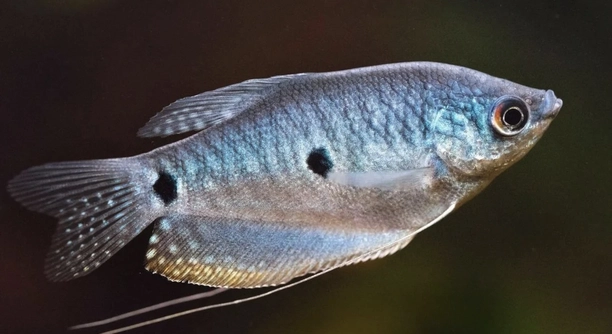
Many gourami owners notice their fish acting aggressively at times. Anger in gouramis can disrupt their well-being and the tank’s harmony. Managing this behavior helps keep both the fish and the aquarium environment calm and balanced.
Calming an angry gourami involves creating a peaceful environment, reducing stress factors, providing proper tank conditions, and using gentle handling techniques. Consistent care and observation are key to preventing and managing aggressive behavior effectively.
Learning how to soothe your gourami benefits both the fish and your overall aquarium experience. This guide offers practical tips to help you maintain a tranquil aquatic home.
Understanding Gourami Behavior
Gouramis show different behaviors depending on their environment and mood. When they feel threatened or stressed, they may become aggressive or territorial. This can happen if the tank is too small, overcrowded, or if there are sudden changes in water conditions. Gouramis also use their fins and colors to communicate, so bright colors or flaring fins often mean they are upset. Knowing these signs helps you recognize when your gourami is angry and needs attention. Sometimes, aggression is a natural part of their behavior, especially during breeding or establishing dominance. However, persistent anger can harm their health and disturb other fish. It’s important to watch for triggers like sudden movements, aggressive tank mates, or poor water quality. Adjusting the tank setup and routine care often helps calm them. Observing your gourami daily creates a better understanding of what makes it comfortable and relaxed.
Regularly checking the tank environment and fish behavior prevents aggression before it escalates.
A calm gourami is a sign that the habitat suits its needs. Providing enough space, hiding spots, and stable water conditions all contribute to reducing stress. Avoid overcrowding and keep compatible fish species together. If your gourami seems irritable, changing one element at a time can show what works best. Sometimes, simply rearranging decorations or adding plants helps by giving your fish places to retreat. Consistency in feeding and cleaning routines also supports calm behavior. Remember, your calm and patient approach makes a big difference in how your gourami feels every day.
Creating a Stress-Free Environment
Removing stressors from your gourami’s environment is essential for calming its behavior.
Stress can come from many sources in an aquarium, such as loud noises, strong water currents, or incompatible tank mates. Gouramis prefer slow-moving water and plenty of places to hide, like plants or decorations. Bright lights can also upset them, so dimming the tank lighting helps. A peaceful environment means avoiding sudden changes in temperature or water chemistry, which can cause distress. Maintaining a consistent schedule for feeding and cleaning also reassures the fish. If the tank has aggressive fish, separating them may be necessary to reduce fights. Using gentle filtration and avoiding overcrowding creates a safer space. When the environment feels stable, gouramis are less likely to act out. Paying attention to these details makes the aquarium a calming home for your fish and helps reduce angry outbursts.
Calm environments encourage healthier, more relaxed gouramis who enjoy their space. Creating a safe and stress-free home supports their natural behavior and keeps your tank peaceful for everyone.
Proper Tank Size and Setup
A small tank can increase stress and aggression in gouramis.
Gouramis need enough space to swim freely and establish their territory without constant conflict. A tank of at least 20 gallons is recommended for one gourami, with extra space needed for additional fish. Proper setup includes hiding spots like plants or caves, which help reduce stress by giving them a place to retreat when feeling threatened. Avoid sharp decorations that might injure them during aggressive encounters.
Maintaining clean water with good filtration is essential. Gouramis are sensitive to poor water quality, which can worsen aggressive behavior. Regular water changes and monitoring water parameters keep them healthy and calmer. Also, arranging plants and decorations to break line of sight between fish can minimize territorial fights. A well-planned tank setup creates a balanced environment where gouramis can feel secure and less prone to anger.
Consistent Feeding Schedule
Feeding your gourami at regular times helps keep it calm and healthy.
Skipping or irregular feeding can cause stress, making gouramis more irritable. They thrive on a consistent diet of high-quality flakes, pellets, and occasional live or frozen foods like brine shrimp or bloodworms. Proper nutrition supports their immune system and reduces stress-related aggression.
Overfeeding should be avoided since it can lead to poor water quality and health problems, increasing tension in the tank. Feeding small portions twice a day works best, ensuring all food is consumed quickly. A steady feeding routine provides comfort and reduces competition among tank mates, which in turn helps calm your gourami.
Avoid Overcrowding
Too many fish in one tank cause stress and aggression among gouramis.
Overcrowding limits swimming space and increases competition for food and territory. Keeping the fish population balanced helps reduce conflicts and keeps the environment peaceful.
Monitor Water Quality Regularly
Consistent water quality checks are vital for your gourami’s calm behavior. Poor water conditions can cause stress, illness, and aggression. Test for ammonia, nitrites, nitrates, and pH regularly. Keeping these levels stable with frequent water changes and proper filtration prevents problems and supports a healthy tank.
Use Tank Mates Wisely
Choose peaceful, compatible fish that won’t provoke your gourami. Avoid aggressive or overly active species, as they can cause tension and trigger angry behavior. Keeping a harmonious mix encourages calm interactions and a balanced tank environment.
FAQ
Why is my gourami acting aggressive all of a sudden?
Sudden aggression in gouramis can result from changes in their environment or health. Stress factors like poor water quality, overcrowding, or new tank mates often trigger this behavior. Illness or injury can also make them more irritable. Observing any recent changes and checking water conditions can help identify the cause.
How can I tell if my gourami is stressed or just naturally territorial?
Gouramis display territorial behavior mostly by flaring fins, chasing other fish, or changing color. Stress signs include hiding, loss of appetite, rapid breathing, or clamped fins. If aggression is constant and combined with stress signs, it usually means the fish is uncomfortable or unwell.
Can changing the tank decorations really help calm an angry gourami?
Yes. Rearranging plants and hiding spots can reduce direct line of sight between fish. This lowers territorial disputes and provides safe spaces for retreat. Adding more cover or plants gives gouramis places to hide and feel secure, which can ease aggression.
Is it okay to keep multiple gouramis in one tank?
It depends on the species and tank size. Some gouramis are more peaceful, while others are territorial. A larger tank with plenty of hiding spots and compatible species can reduce conflicts. However, overcrowding or mixing aggressive gouramis often leads to fights.
What should I do if my gourami keeps fighting with other fish?
Try separating the aggressive gourami or the victims temporarily. Check if the tank is overcrowded or lacking hiding places. Improving tank conditions and removing stressors can help. If aggression persists, consider rehoming one of the fish to prevent injury.
Can diet affect my gourami’s behavior?
Yes, nutrition plays a role in their mood and health. A balanced diet with quality flakes, pellets, and occasional live or frozen foods helps keep gouramis healthy and less stressed. Poor nutrition or irregular feeding schedules can increase irritability and aggression.
How often should I clean the tank to keep my gourami calm?
Regular tank maintenance is essential. Partial water changes of 20-30% once a week help maintain water quality. Clean filters and remove uneaten food or debris regularly. Keeping the environment clean reduces stress and supports peaceful behavior.
Are there signs that my gourami is sick rather than just angry?
Yes, illness symptoms include faded colors, lethargy, clamped fins, loss of appetite, or unusual swimming patterns. Aggression combined with these signs suggests your gourami may need medical attention or better care conditions.
Can stress from loud noises or vibrations cause gouramis to become aggressive?
Absolutely. Gouramis are sensitive to external disturbances. Loud noises, vibrations, or sudden movements near the tank can stress them and trigger aggressive behavior. Placing the tank in a quiet, stable location helps maintain calm.
What’s the best way to introduce new fish to a gourami tank?
Introduce new fish slowly and carefully. Quarantine new arrivals to prevent disease. Rearrange tank decorations before adding new fish to reduce territorial claims. Monitor interactions closely and be ready to separate fish if aggression occurs. Gradual introductions lower stress and aggression risks.
Managing an angry gourami takes patience and care. Understanding why your fish becomes aggressive is the first step to helping it calm down. Most often, anger comes from stress caused by its environment. This can include things like a small or crowded tank, poor water quality, or the presence of other aggressive fish. By improving these conditions, you give your gourami a better chance to feel safe and relaxed. Watching your fish regularly helps you notice early signs of stress or aggression, which means you can act before the problem gets worse.
Making sure your gourami’s tank is set up correctly is very important. This means having enough space for the fish to swim freely and having places for it to hide when it wants to be alone. Plants, caves, and decorations are not just for looks—they help your gourami feel more secure. Clean water and stable temperature also play a big role. Fish are sensitive to changes in water conditions, so regular cleaning and testing are necessary. Feeding your gourami on a consistent schedule with good food supports its health and reduces stress, which in turn helps calm aggressive behavior.
Finally, choosing the right tank mates and avoiding overcrowding will keep the tank peaceful. Some fish just don’t get along well with gouramis, and mixing incompatible species can lead to fights. Providing a calm environment free from loud noises or sudden disturbances also helps. It might take some trial and error to find the best setup, but the effort will be worth it. When your gourami is calm, the whole aquarium looks better and is more enjoyable to care for. Following these simple steps gives your fish a happier, healthier life.

Hello,
If you enjoy the content that we create, please consider saying a "Thank You!" by leaving a tip.
Every little bit helps us continue crafting quality advice that supports the health, happiness, and well-being of pets around the world, for pets of all shapes, sizes, and species.
We really appreciate the kindness and support that you show us!